Stair stringer installation begins with accurate structural planning and load assessment. Every staircase requires proper load distribution to maintain long-term structural stability. Poor planning can create stress points that weaken the staircase over time.
Vertical height measurement establishes the total rise parameter definition. This value controls the total step count and geometry formation. Engineers prioritize exact measurement before fabrication begins. However, a horizontal space defines stair run configuration limits. Restricted space requires steeper structural angle adjustment planning. Adequate space allows optimized ergonomic stair geometry design.
Step geometry consistency ensures uniform load transfer behavior. Irregular step sizing creates imbalance during dynamic loading conditions. Accurate measurements help ensure long-term staircase safety and performance.Construction teams typically double-check all measurements before fabrication and installation. This reduces deviation errors during fabrication and installation phases. Accuracy at this stage determines final stair performance.
This guide explains the complete measurement and installation process for accurate staircase construction.
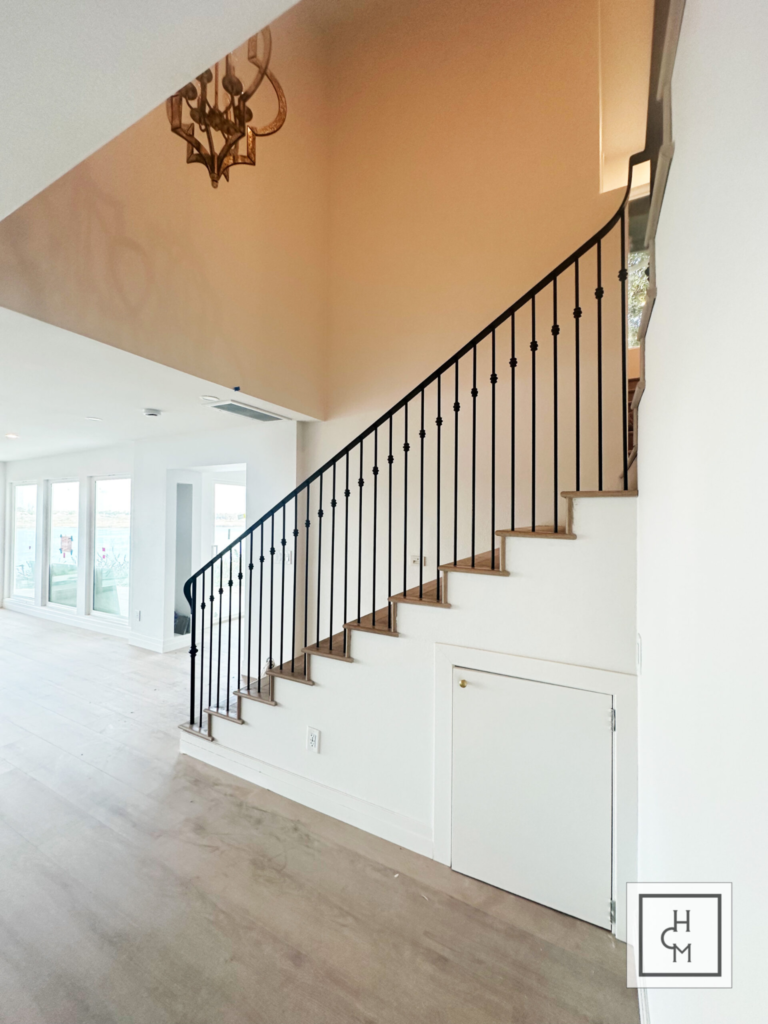
Total rise measurement defines vertical load segmentation points. Each segment must maintain equal elevation increments throughout the system. Uneven distribution generates structural instability under repeated loading cycles.
Riser height calibration maintains ergonomic movement efficiency standards. Typical engineering practice maintains uniform vertical spacing across steps, which gives predictable gait movement during stair traversal. Tread depth defines the horizontal load-bearing surface area. Adequate tread width improves the foot placement stability factor. Reduced depth increases slip risk during operational use.
Structural engineers calculate step count using the division method.
These points reduce continuous stress accumulation along the stair span. Proper placement improves structural longevity and safety performance.
Need engineered stair systems for structural relNeed a custom stair stringer system built for strength and precision?
Stair design determines load balance and structural behavior. Every configuration changes stress flow across support members. Balanced design improves long-term structural stability.
Material selection determines durability and load response behavior. Different materials react differently under stress conditions. Selection depends on environmental exposure and load requirements.
A stringer stair system improves load distribution across the structure. It stabilizes movement during repeated operational usage cycles for consistent performance over time. Prefab metal stringer systems improve installation efficiency and reduce onsite fabrication errors. It allows controlled manufacturing precision and reduced installation errors. This improves construction speed and accuracy.
Installation begins with anchor point marking and a verification process. These points determine the final alignment of the stair structure. Incorrect marking leads to angular deviation during assembly. Cutting operations follow precision measurement templates for accuracy. Each cut must match predefined geometric layout specifications. Deviations affect structural fit and load distribution efficiency.
Fixing points require high-strength mechanical fastening systems.
Ongoing alignment checks help prevent installation errors during assembly. Level calibration ensures uniform elevation across the entire stair system. This prevents uneven load distribution during operational usage.
Prefabricated components improve installation speed and dimensional accuracy. Factory-controlled production reduces onsite fabrication errors. This increases efficiency and consistency of the assembly process.
Safety standards define maximum allowable stress thresholds for stairs. These limits prevent structural failure under operational loading. Compliance ensures safe long-term system performance.
Load rating calculations determine structural capacity requirements. Engineers evaluate expected static and dynamic load conditions. This ensures appropriate material selection and sizing decisions.
Step uniformity standards maintain consistent geometric progression across the system.
Fastening specifications define required connection strength parameters. Inspection protocols validate installation accuracy and alignment precision. Structural redundancy improves safety under unexpected load conditions. Additional support elements distribute excess stress effectively. This prevents localized failure propagation across the system.
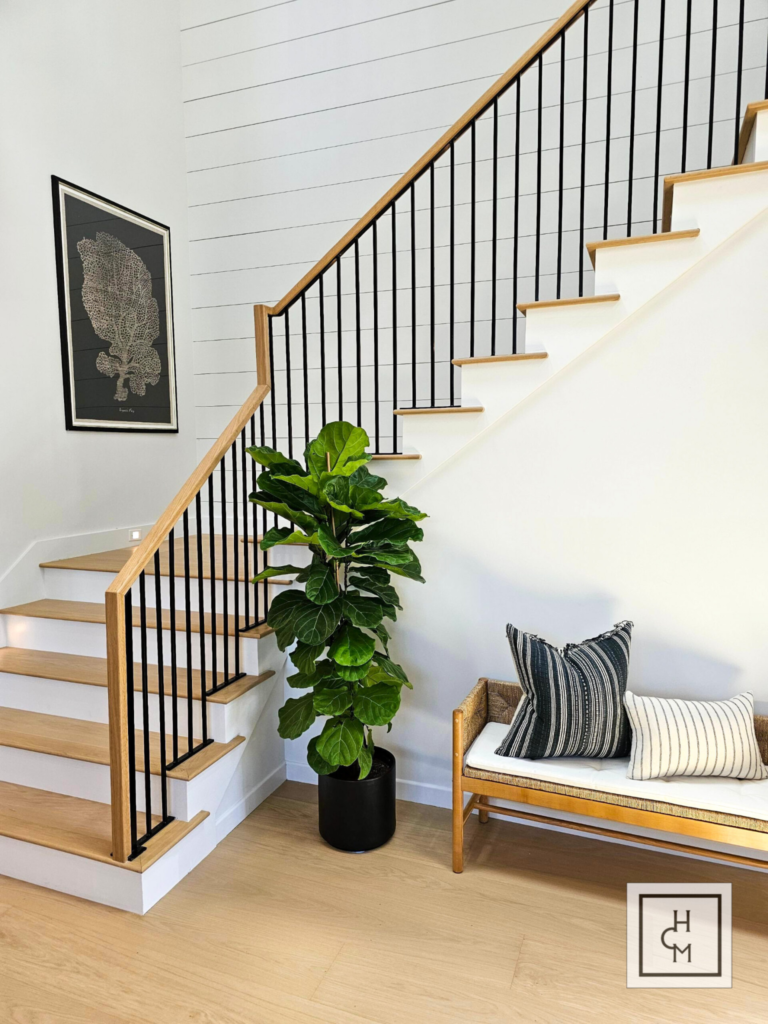
Stair support systems manage load transfer from steps to the base. Proper distribution prevents stress concentration within structural members. This ensures stable long-term operational performance. We at Hand Crafted Metalworks apply controlled fabrication engineering methods. Each component follows strict dimensional accuracy standards. This ensures predictable structural behavior under load conditions.
Material processing follows calibrated cutting and forming procedures.
Load testing validates performance under simulated usage conditions. Assembly integration ensures precise component fitment accuracy. Proper alignment reduces internal stress accumulation during usage.
Quality assurance protocols monitor fabrication and installation stages. Each step follows a documented engineering verification process. This ensures consistent structural output performance.
Accurate stairs stringer design governs structural performance and safety reliability. Each measurement directly influences load transfer behavior and stability. Precision ensures controlled movement and long-term durability.
Installation accuracy reduces structural deviation and performance failure risks. Proper engineering practices improve system lifespan under repeated loading conditions. Controlled fabrication ensures predictable structural behavior across applications.
We at Hand Crafted Metalworks maintain strict engineering precision standards. Our systems ensure structural safety and long-term performance stability. Every project follows controlled design and fabrication methodology. Our reliable stair systems depend on correct engineering execution and measurement discipline. Proper structural planning ensures consistent performance across operational conditions.
Looking for professionally fabricated stair stringer systems?
[Get Started with Hand Crafted Metalworks]
1. What is a stair stringer?
A stair stringer is the structural support that holds stair treads and transfers weight safely to the floor system below. It maintains alignment across the staircase during continuous usage cycles. Proper structural design improves safety and load distribution efficiency. We at Hand Crafted Metalworks build engineered systems that deliver strong stability and long-term performance for residential and industrial stair applications.
2. How many stringers are needed for a staircase?
Most residential staircases use two side stringers, while wider stair systems may require an additional center stringer for extra support. Wider stair systems require additional central reinforcement for structural stability. Load capacity and span length decide final configuration requirements. We at Hand Crafted Metalworks develop balanced structural layouts that ensure safety, durability, and consistent performance across different stair installation environments.
3. What materials are used for stair stringers?
Stair stringers are commonly built from wood, steel, or iron depending on the project’s structural requirements and design style. Material choice depends on load demand, environment exposure, and durability expectations. Steel systems deliver higher strength for heavy applications. We at Hand Crafted Metalworks select engineered materials that ensure reliable performance, structural safety, and long-lasting stability for every stair project requirement.
4. What is the difference between cut stringers and closed stringers?
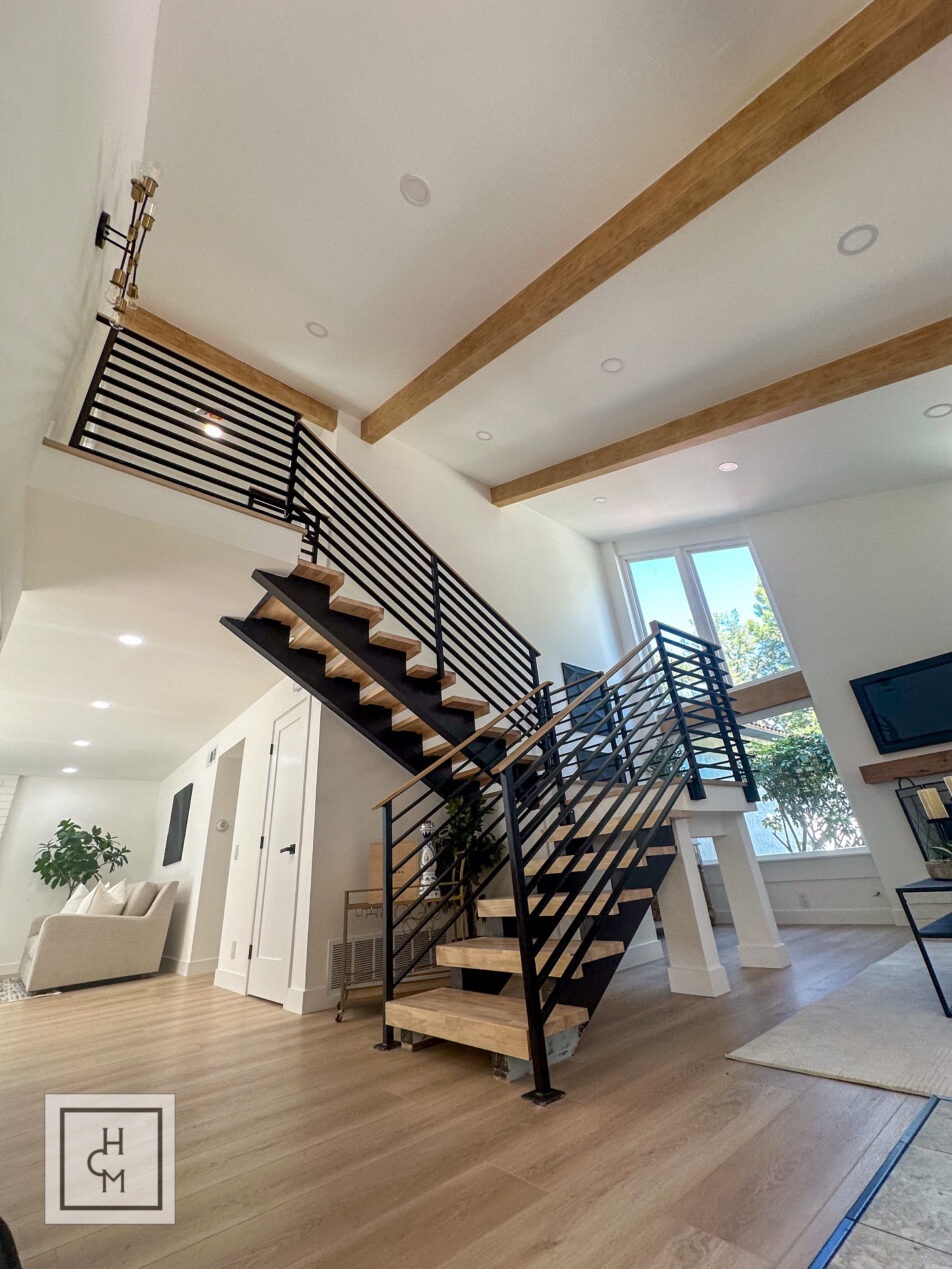
Cut stringer systems expose stair step profiles for visible structural design. Closed systems hide structural edges for a solid appearance finish. Each type serves different architectural and functional requirements. A stringer pallet approach improves fabrication handling during prefabrication and transport stages for structured installation planning. We at Hand Crafted Metalworks fabricate both designs with precision engineering methods. These methods enhance strength, safety, and visual consistency in stair construction systems.
5. How do you calculate stair stringer dimensions?
Stair stringer dimensions rely on total rise measurement and step division calculation. Each step maintains equal height and consistent spacing for balance. Accurate measurement ensures proper alignment and smooth movement performance. We at Hand Crafted Metalworks apply precise engineering methods to deliver accurate calculations that support safe, stable, and durable stair systems.