Manufacturing costs are shaped more by fabrication decisions than most businesses realize. Metalwork services control how much material gets used, how long labor takes, and how fast a project moves from raw stock to finished product. Every choice made during design and planning has a direct dollar value attached to it, and those dollars add up fast when a project runs without proper fabrication oversight.
Research in manufacturing shows that nearly 70 to 80 percent of total production cost gets locked in during the early planning and engineering stages. That means by the time a shop starts cutting metal, most of the budget outcome is already decided. Businesses that bring in experienced fabrication teams early in the process finish projects closer to budget than those that treat fabrication as an afterthought.
This blog guides how metalworking services shape manufacturing costs from start to finish.
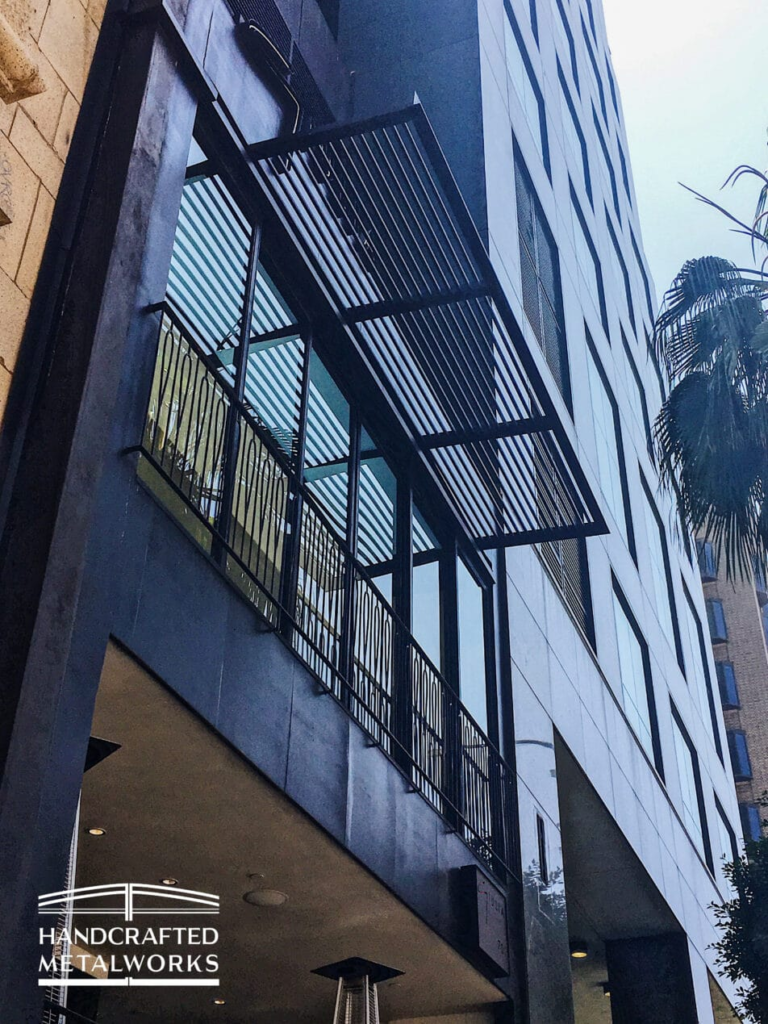
Material choice is one of the fastest ways to either control or blow a fabrication budget. Different metals behave differently when cutting or welding, and that behavioral gap translates directly into labor time and changes machine usage.
Key material considerations that affect cost:
Looking for fabrication solutions that support quality and budget goals?
Automation is a dependable approach to lowering overall fabrication costs and keeping quality intact. CNC machines take care of repeatable operations with steady precision that hand work can’t match, especially when production volumes grow. Then robotic welding steps in, boosting weld quality with a steadier outcome, which reduces that annoying variation that often turns into rework or rejected parts.
Metalworking maintenance services also quietly make the whole process work better. When machines get regular preventive checks, they last longer between breakdowns and deliver more uniform results across an entire production run. A facility that ignores equipment upkeep usually ends up paying more later, in unplanned downtime, more rework cycles, and rushed emergency repair bills. Those unexpected expenses tend to go way beyond what routine maintenance costs.
Design is where fabrication cost either gets controlled or gets out of hand. Some design practices that reduce fabrication cost:
Industrial metalworking services for large commercial and structural projects benefit most from early design review. Even small changes to part geometry can eliminate hours of machining time across a full production run.
Labor consistently represents one of the largest line items in any fabrication budget. Skilled workers handle welding, cutting, and finishing tasks that require real expertise to execute correctly the first time. However, skill alone does not control labor cost — workflow organization determines whether that skill gets applied productively or gets wasted on avoidable delays.
Factors that drive labor costs up or down:
Welding and metal fabrication services that involve large structural assemblies require particularly strong team coordination.
Volume has a direct impact on per-unit fabrication cost. The setup cost includes machine programming and tooling, as well as workflow preparation.
Volume pricing factors worth understanding:
Businesses that plan production volumes thoughtfully and consolidate orders where possible consistently achieve better per-unit pricing than those who place small reactive orders throughout the year.
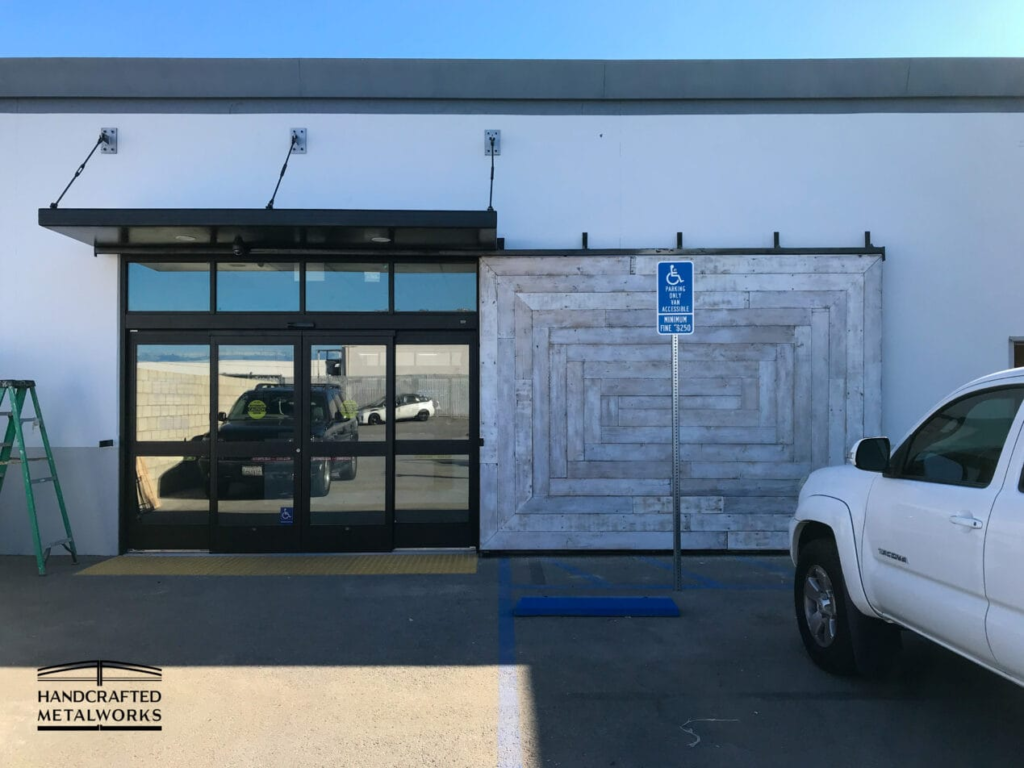
Shops using the metalworking fluid analysis service monitor machine health continuously and catch wear patterns before they cause breakdowns or quality problems. This proactive approach keeps production output consistent across long production runs and reduces emergency repair costs that hit budgets unexpectedly.
Leading metalworking service providers combine technical expertise with long-term planning discipline to deliver fabrication that holds up under real-world conditions far beyond the installation date. The difference between a shop that builds for longevity and one that builds to minimum spec shows up clearly within the first few years of a product's working life.
Fabrication cost continues after production, including maintenance and durability. Low-quality work saves upfront cost but increases repair and replacement expenses. Strong fabrication reduces lifetime cost through reliable performance and fewer breakdowns.
Custom metalworking servicesfocused on long-term performance deliver better value than low-cost fabrication. Strong fabrication reduces breakdowns, extends product life, and lowers maintenance over time. At Hand Crafted Metalworks, we build stair railings and decorative metal structures across Southern California. With over 40 years of experience, we deliver precise, durable craftsmanship built for real-world performance.
Ready for durable custom metalwork with precision and strength?
1. What are metalworking services?
Metalworking services include cutting and finishing the metal parts. These services support residential and commercial fabrication with strong accuracy. At Hand Crafted Metalworks, we build custom gates and custom metal structures. Our team improves durability, installation quality, and production efficiency through skilled fabrication work across different project needs.
2. What is the difference between metal fabrication and metalworking?
Metalworking focuses on shaping and modifying raw metal materials. Metal fabrication builds complete finished structures from those materials. At Hand Crafted Metalworks, our metalworking fluid analysis service supports fabrication and installation processes. We deliver strong metal solutions for homes and commercial spaces with reliable craftsmanship and long-lasting structural performance.
3. What materials are commonly used in metalworking services?
Steel provides strong support for structural fabrication projects. Stainless steel delivers corrosion resistance and a polished appearance. Aluminum supports lightweight construction needs. Wrought iron suits decorative metal design work. Copper enhances detailed finishing in custom applications. At Hand Crafted Metalworks, our architectural metalwork services use premium materials that ensure strength, durability, and clean finishing results.
4. How long do metalworking projects usually take?
Project timelines depend on design complexity and material availability. Finishing requirements and installation planning also affect completion speed. Smaller fabrication tasks finish within a few days. Larger structural builds take several weeks for completion. At Hand Crafted Metalworks, our custom metal fabrication services follow structured planning and coordination for smooth workflow and reliable delivery timelines.
5. Are metalworking services customizable?
Customization plays a major role in modern fabrication work. Design options include size and visual style choices. At Hand Crafted Metalworks, our precision metal machining services produce metal railings and custom metal structures. We focus on detail accuracy, strong durability, and clean finishing that matches the client's design expectations and project requirements.