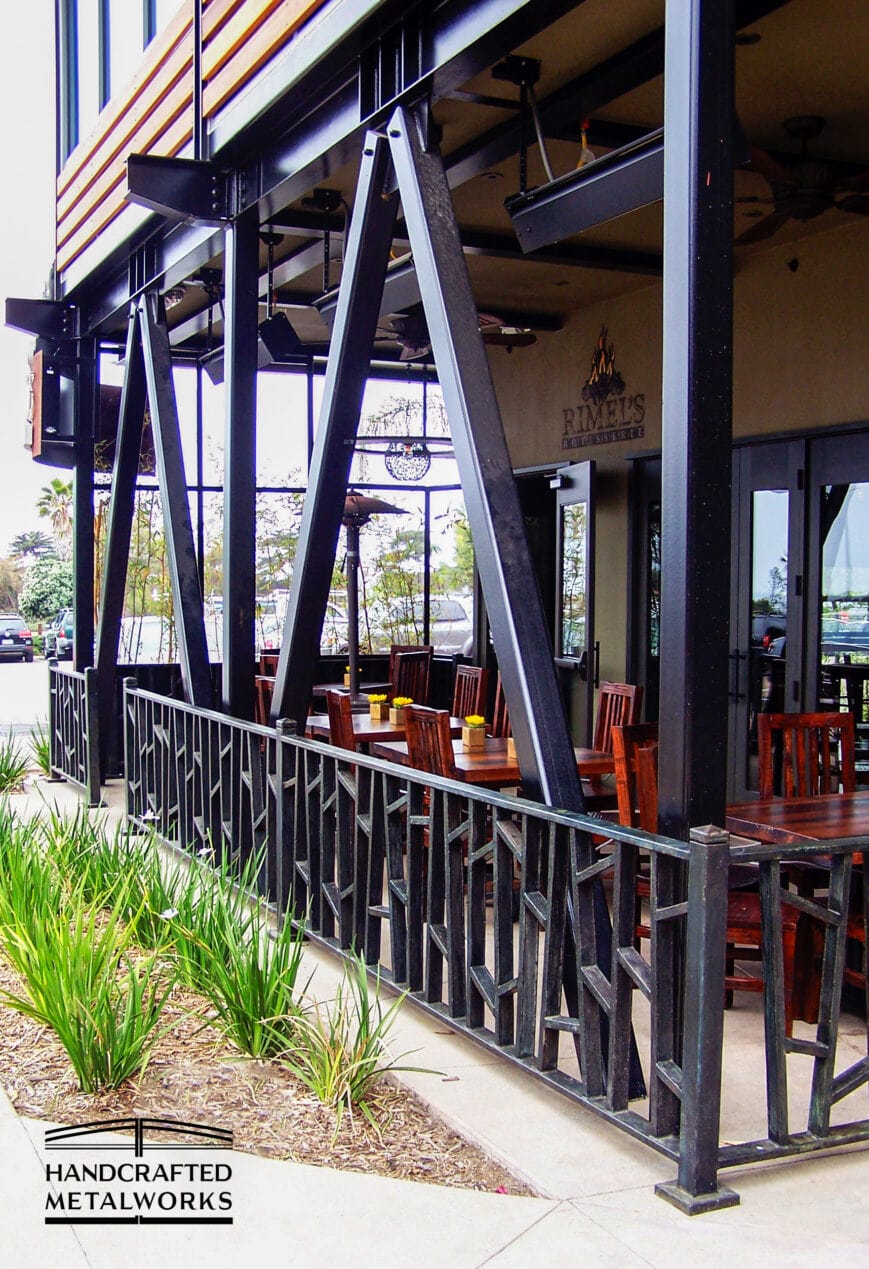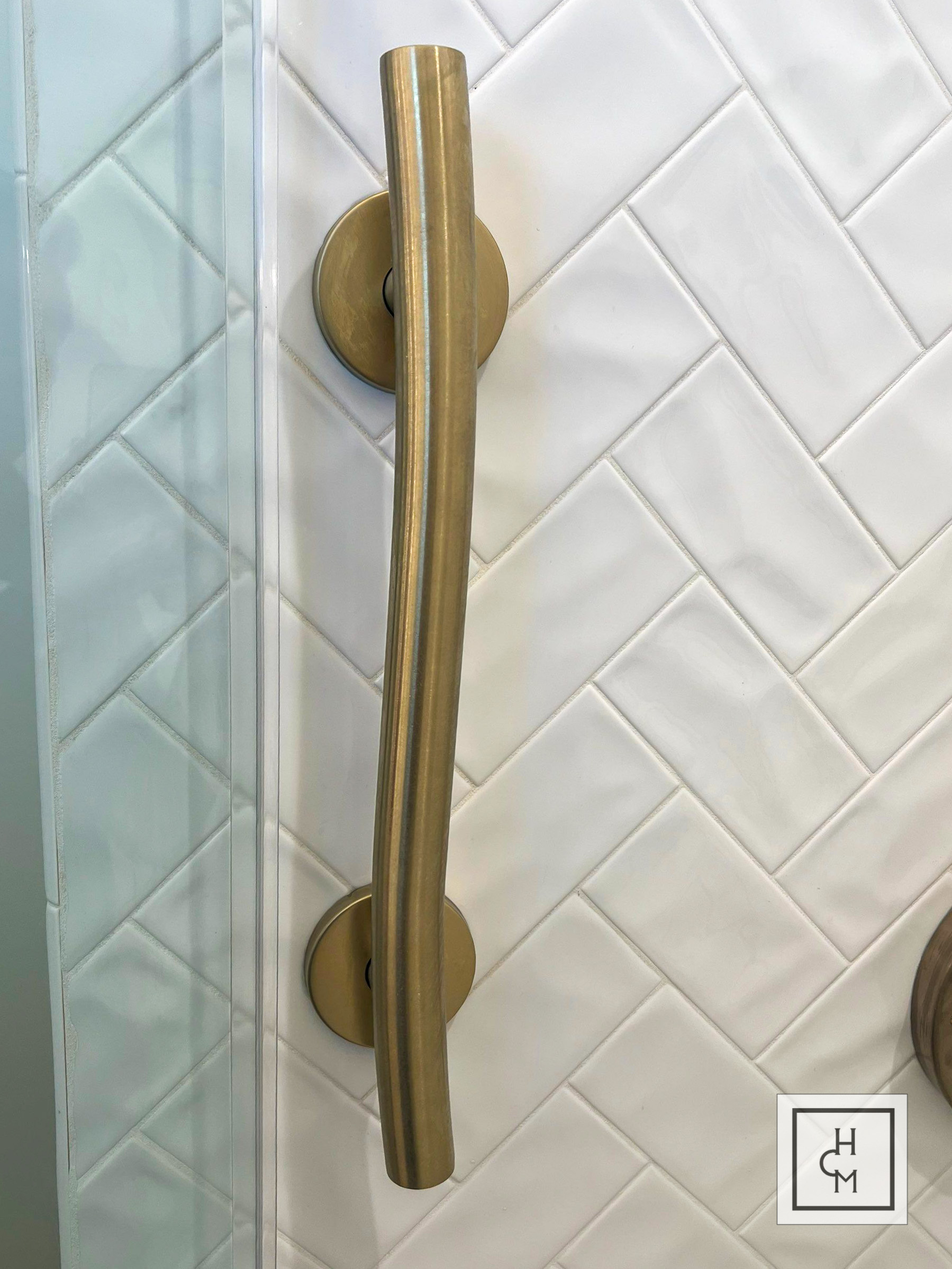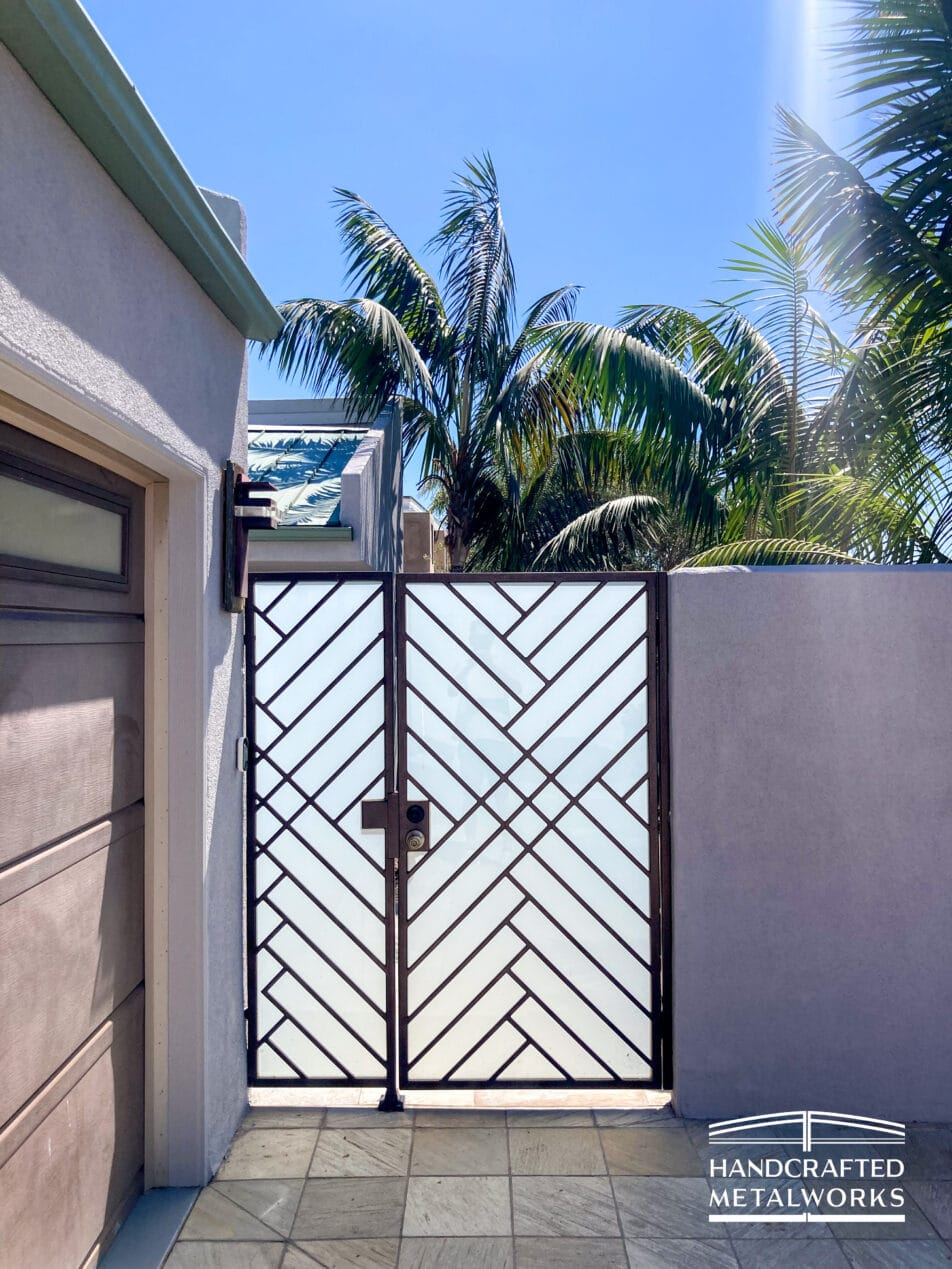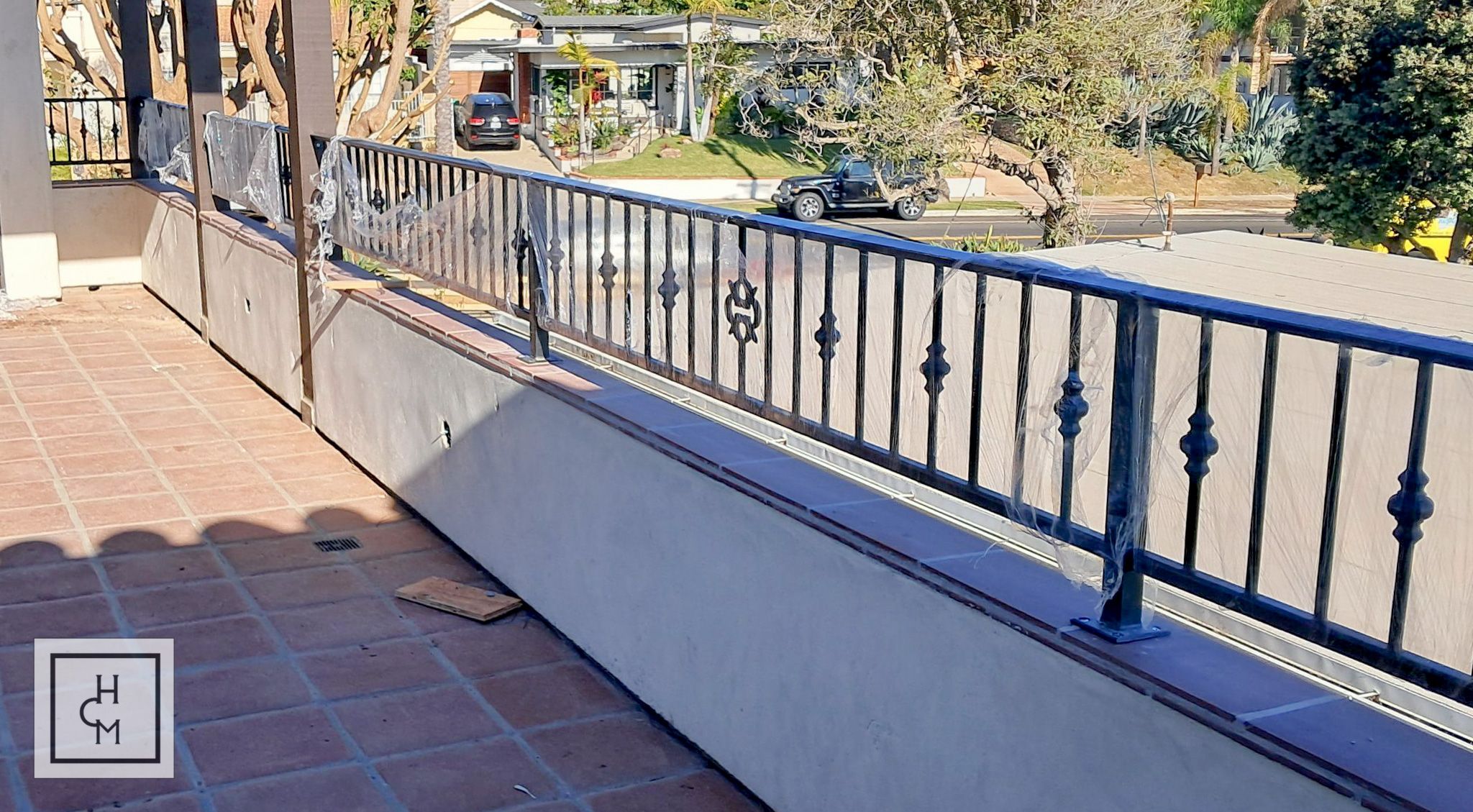
A custom balcony railing is more than metal and bolts. It is safety. Structure. Confidence when you lean forward. It defines the edge of a space and quietly decides how secure that space feels every single day.
Installing one is not a quick choice. Or a one-step process. It involves measurements, materials, fabrication, finishes, and careful installation. Small decisions stack up fast. Miss one and you notice it every time you step outside.
This blog walks through what really goes into installing a custom balcony railing, from the first look at the space to the final tightening of the last anchor, so you understand the process before committing to it.
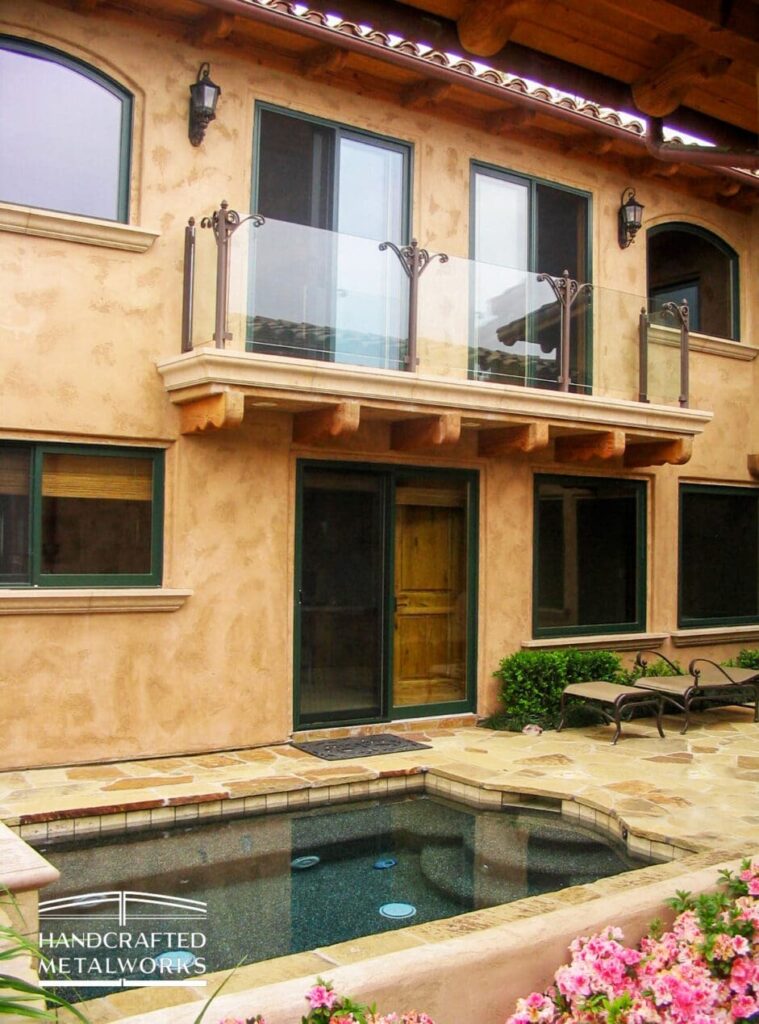
Everything begins with the space itself. Not the design. Not the material. The actual balcony.
Balconies are tricky. Concrete slopes slightly for drainage. Corners are rarely square. Railings often need to connect to existing walls, doors, or columns. Older buildings add another layer of complexity with uneven surfaces and unknown structural conditions.
That is why accurate on-site measurements matter so much. A custom balcony railing is built for one exact location. There is no room for guessing.
At this stage, professionals are paying close attention to things like:
This is a step that preconditions all the other steps that follow. When this is done properly, the other part of the process is made smoother. When in a hurry, problems ultimately emerge.
The appearance of metal railings might appear on the web, but the application in reality speaks otherwise.
There are some metals that are more resistant to bad weather. There are those that do not need much maintenance. There are those who are more powerful, and there are others who are lighter and less cumbersome. The environment matters. And so does the frequency of use of the balcony.
Customised metal works allow you to choose materials based on function, not just appearance. A coastal balcony needs corrosion resistance. A high-traffic space may need thicker material. An interior balcony might allow more flexibility.
Material decisions usually come down to durability, upkeep, and budget. Choosing purely on looks often leads to regret later.
Good design solves problems before it looks good.
A balcony railing needs to protect people first. That means height, spacing, and strength all matter. Design choices have consequences. Horizontal bars can change the way weight is distributed. Glass panels add openness but also require cleaning and care.
This is where experience shows. A strong design balances appearance with everyday use.
During this phase, discussions usually cover:
A custom balcony railing should feel intentional. It should complement the building, not fight it.
Fabrication is where ideas turn into something real.
In the shop, raw metal is cut, welded, shaped, and finished. This is where precision matters most. Slight errors that seem small on paper become obvious once the railing is installed.
Quality fabrication shows in clean welds, straight lines, and solid joints. Nothing should feel forced during assembly. Everything should fit because it was built correctly from the start.
The finish is just as important. Powder coating or protective treatments are applied to extend the life of the railing. A rushed finish will wear quickly. A proper one protects the metal for years.
This is the stage where customised metal works separate professionals from shortcuts.
Installation is where everything comes together.
A custom balcony railing has to be anchored securely into concrete, wood, or steel. Waterproofing must stay intact. The railing has to be level, solid, and comfortable to use.
Installation is not just physical labor. It requires attention to detail and problem solving. Every balcony presents small challenges that only show up on site.
Installers focus on:
If installation is rushed, even the best fabrication can feel disappointing.
Balcony railings are regulated because they protect people, plain and simple, especially in elevated spaces where there is no room for error.
Building codes define height and spacing. They also determine the weight carrying capabilities of a railing, exterior balconies, and properties that are multi-unit may need permits and inspections.
Code early is ignored, projects are sluggishly redesigned, fail inspection, and incur additional cost; this is one of the reasons why good experienced professionals consider compliance as part of the standard balcony railing design, not something to fix later.
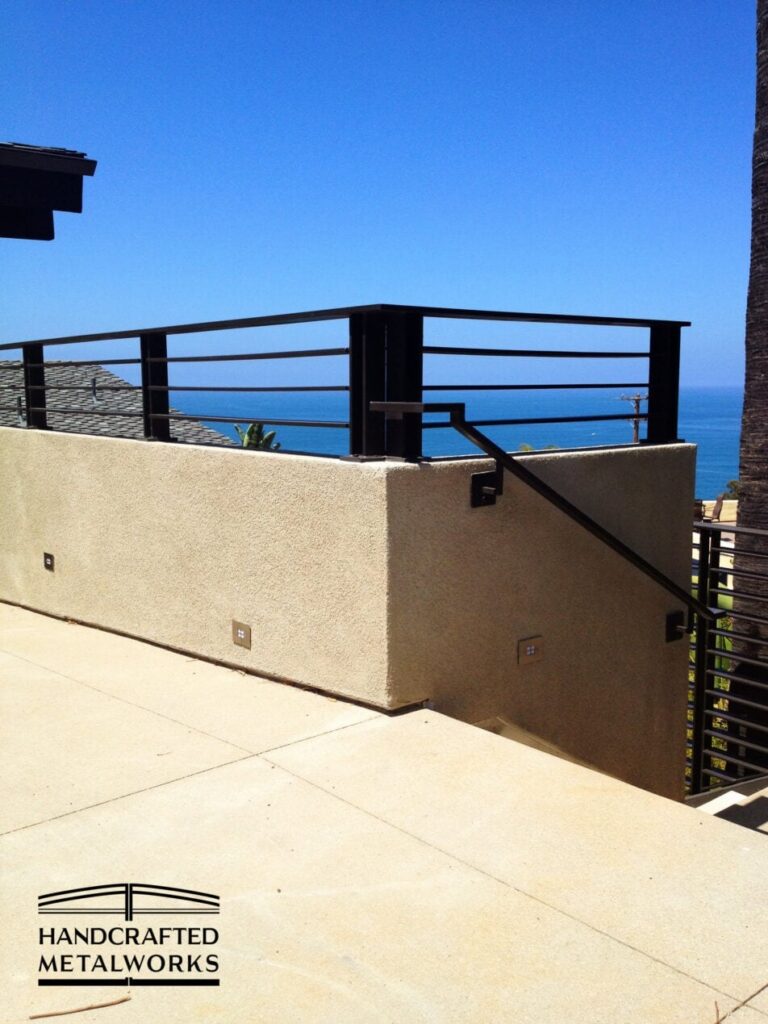
Custom work is an investment. The goal is value over time.
A well-built railing adds safety, durability, and visual appeal. Cheap solutions often need repairs or replacement sooner than expected. The cost difference shows up over the years.
Budget planning usually includes:
Spending wisely upfront often saves money long term.
Custom projects take time because they are tailored to one space.
Design approvals, fabrication schedules, finishing, and installation all affect the timeline. Changes made late in the process often cause delays.
Clear decisions early keep things moving. Rushing rarely speeds things up in the long run.
The best custom balcony railing does not draw attention to itself.
It feels solid. It looks like it belongs. It makes the space safer without making it feel closed in. That simplicity is the result of careful planning and skilled execution.
Every step plays a role in that final feeling.
A custom balcony railing is not something you notice every day, but you feel it every time you step outside. It sets the boundary. It provides security. When it is done right, it quietly supports the space without calling attention to itself.
That level of quality comes from customised metal works done with intention. Measurements matter. Material choices matter even more, and when fabrication and installation are handled with care from start to finish, the railing performs the way it should, but when any step is rushed or skipped, the issues usually show up later when fixing them costs more time and money.
If you are ready to move forward with customised metal works built for your space, Hand Crafted Metalworks is ready to help.
[ Start Your Custom Railing Project ]
What is a custom balcony railing?
A custom balcony railing is a safety barrier built for your space. It combines function, style, and durability perfectly.
How long does installation usually take?
It depends on design and materials. Simple railings are quicker, but complex customised metal works may take several days.
Do I need permits for a balcony railing?
Yes. Most exterior or multi-unit balconies require permits and inspections to meet local safety codes and regulations.
Why should I choose customised metal works?
Customised metal works ensure precise measurements, durable materials, and professional fabrication that lasts for years. No shortcuts allowed.