When planning a construction or renovation project, choosing the right metalwork is an important part of creating a safe, functional, and visually cohesive property. Metal fabrication can provide both structural support and architectural detail, but structural steel and ornamental ironwork serve very different purposes. Understanding how each material performs under load, responds to environmental exposure, and fits into a building or property layout can help you make a more informed decision and work with the appropriate professionals to meet applicable building requirements.
At Hand Crafted Metalworks, we combine precision metal fabrication with skilled craftsmanship throughout Southern California. Whether your project requires structural steel components for load-bearing applications or custom architectural metalwork for railings, gates, balconies, and other visible features, understanding the differences between these materials can help you choose the right solution. In this guide, we compare their typical applications, structural performance, customization options, maintenance requirements, and design considerations.
Structural steel is commonly used in building frameworks because it provides the strength and stiffness required for many load-bearing applications. Steel is primarily composed of iron and carbon, along with other alloying elements depending on the specified grade. Structural steel components are manufactured to meet established material and engineering requirements and are selected based on the loads, spans, and conditions of a particular project.
In heavy construction, precision metal fabrication is essential because steel beams, I-beams, columns, and stringers must be accurately fabricated and installed as part of the building's structural system. Depending on the design and material specifications, structural steel can support wide spans, multi-level construction, and other demanding load-bearing applications. Protective coatings or hot-dip galvanizing may also be used where corrosion protection is required. These treatments can extend the service life of structural steel in exposed or moisture-prone environments.
Need precision structural steel fabrication for your project?
Request a Steel Fabrication Quote
While structural steel is primarily used for load-bearing applications, decorative ironwork focuses on architectural detail, visual character, and functional features such as railings, gates, and enclosures. Historically, ornamental ironwork was commonly associated with wrought iron, while many modern decorative applications use steel that is fabricated and finished to achieve a similar appearance. Decorative ironwork emphasizes custom shapes, scrollwork, geometric patterns, and other details that complement the property's architectural style.
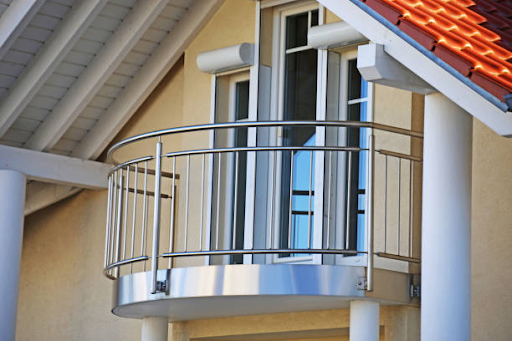
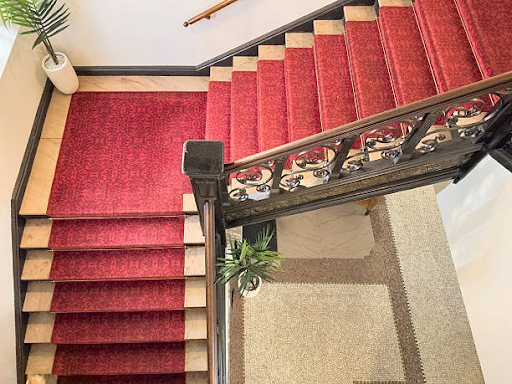
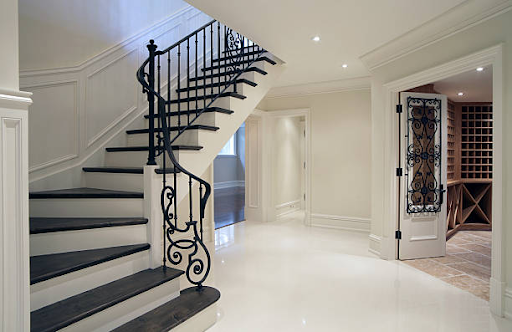
Custom metalwork can add architectural character to both residential and commercial properties. Rather than serving as primary structural support, ornamental ironwork is commonly used for visible features such as entry gates, window guards, patio enclosures, balcony railings, and interior stair railings.
Through specialized welding, forming, and fabrication techniques, skilled metalworkers can create custom curves, scrollwork, and other decorative details. These elements can provide functional boundaries while adding visual interest and complementing the property's overall architectural design.
Add custom ornamental ironwork to enhance your property's architectural character.
Understanding the differences in load capacity, structural performance, and intended use can help prevent costly design mistakes. Although both structural steel and decorative ironwork can provide durability, they are designed for different applications and should be selected according to the project's specific requirements.
| Feature | Structural Steel Solutions | Decorative Iron Solutions |
| Primary Purpose | Load-bearing support and structural framing | Architectural detail, barriers, and functional metalwork |
| Structural Performance | Designed for specified structural loads | Designed primarily for non-primary structural applications |
| Customization | Standard sections and custom-fabricated components | Highly customizable shapes, patterns, and decorative details |
| Typical Applications | Beams, columns, frames, and structural stringers | Gates, fences, balcony railings, and stair railings |
The right material depends on the function and engineering requirements of the project. Structural steel is generally selected for load-bearing frames, beams, columns, and other primary structural components, while decorative ironwork is better suited to visible architectural features such as gates, fences, railings, and decorative barriers.
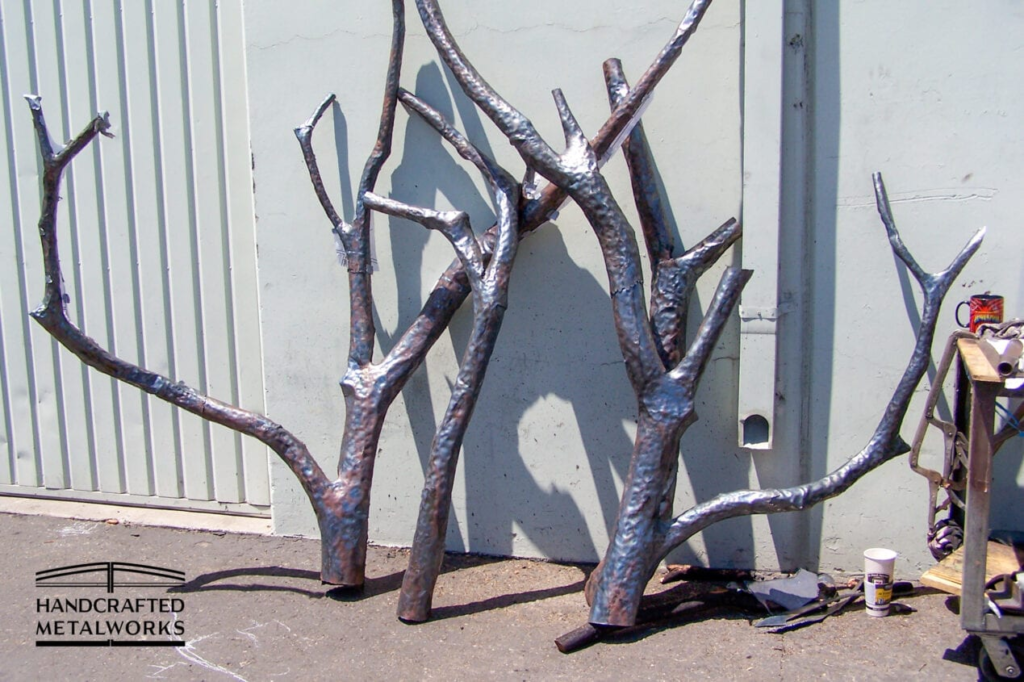
Metal installations require appropriate finishing and maintenance to preserve their appearance and performance over time. Moisture, coastal air, UV exposure, and everyday use can contribute to corrosion or surface wear, making material selection and protective coatings especially important for outdoor applications.
Selecting appropriate materials and applying durable protective finishes can help both structural steel and decorative ironwork provide long-term performance with manageable maintenance requirements.
Choosing between structural steel and ornamental ironwork starts with understanding the specific requirements of your project. Structural steel provides the strength and support needed for many load-bearing applications, while ornamental ironwork adds architectural character to features such as gates, fences, balconies, and railings. For projects that combine structural performance with custom design, professional metal fabrication can help ensure that each component is appropriately designed and fabricated.
At Hand Crafted Metalworks, our team combines precision metal fabrication with skilled craftsmanship to create custom solutions for residential and commercial projects. Our work includes load-bearing structural components, metal balcony rails, custom ornamental iron railings, and custom stair railing systems supported by properly fabricated stringers. We focus on accurate fabrication, appropriate materials, and cohesive designs tailored to each project's requirements.
Ready to combine structural performance with custom metalwork? Contact Hand Crafted Metalworks today to discuss your project and request a tailored fabrication quote.
Structural steel is commonly used for load-bearing frameworks, beams, columns, structural frames, and other components that support building loads. Its strength and predictable material properties make it suitable for applications involving large spans, multi-level construction, and demanding structural requirements. Hand Crafted Metalworks provides precision steel fabrication for projects requiring accurately fabricated structural components.
Decorative ironwork primarily focuses on architectural design, custom detailing, and functional features such as gates, fences, window guards, balconies, and railings. Structural steel, by comparison, is engineered for load-bearing applications such as beams, columns, and structural framing. Although both can be fabricated and customized, their intended functions and engineering requirements are different.
Structural steel is generally the appropriate choice for primary load-bearing applications because it is engineered and specified for structural loads. Decorative ironwork can provide substantial strength for gates, fences, railings, and other functional features, but it should not be treated as a substitute for engineered structural steel where primary building support is required.
Maintenance requirements depend on the material, finish, location, and level of exposure. Structural steel may require protective coatings, corrosion monitoring, and periodic inspection of accessible connections and finishes. Decorative ironwork typically benefits from routine cleaning and occasional touch-ups to protect the finish from moisture, UV exposure, and surface corrosion.
Choose structural steel when the project requires engineered load-bearing support, structural framing, beams, columns, or other primary structural components. Decorative ironwork is better suited to visible architectural and functional features such as gates, fences, balconies, stair railings, and other custom metalwork. When structural requirements are involved, consult with a qualified design or engineering professional and an experienced metal fabricator to determine the appropriate materials and fabrication specifications for the project.