Choosing the right materials plays a major role in the safety, durability, and longevity of any installation. To make the right choice, you must know how different metals handle weight, pressure, and weather. This guide compares lightweight and heavy-duty metals based on strength, weight, durability, and common applications. For over 40 years, Hand Crafted Metalworks has made top-tier metal projects across Southern California, ensuring every piece fits its exact spot. From residential setups to busy business spaces, our skilled craftsmanship ensures every project is built to last. Understanding these differences helps homeowners and builders select the right material for their project.
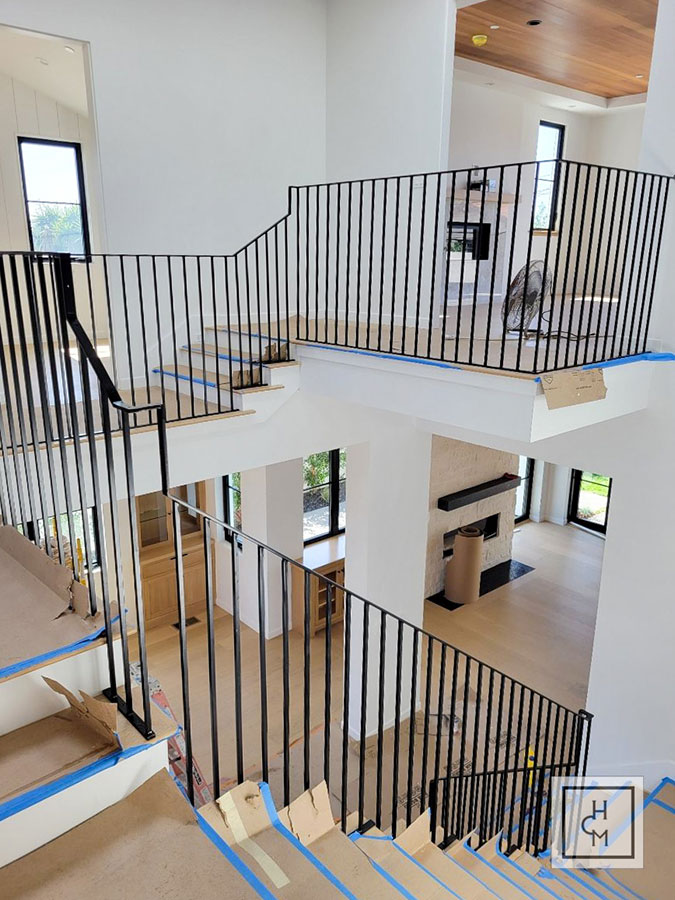
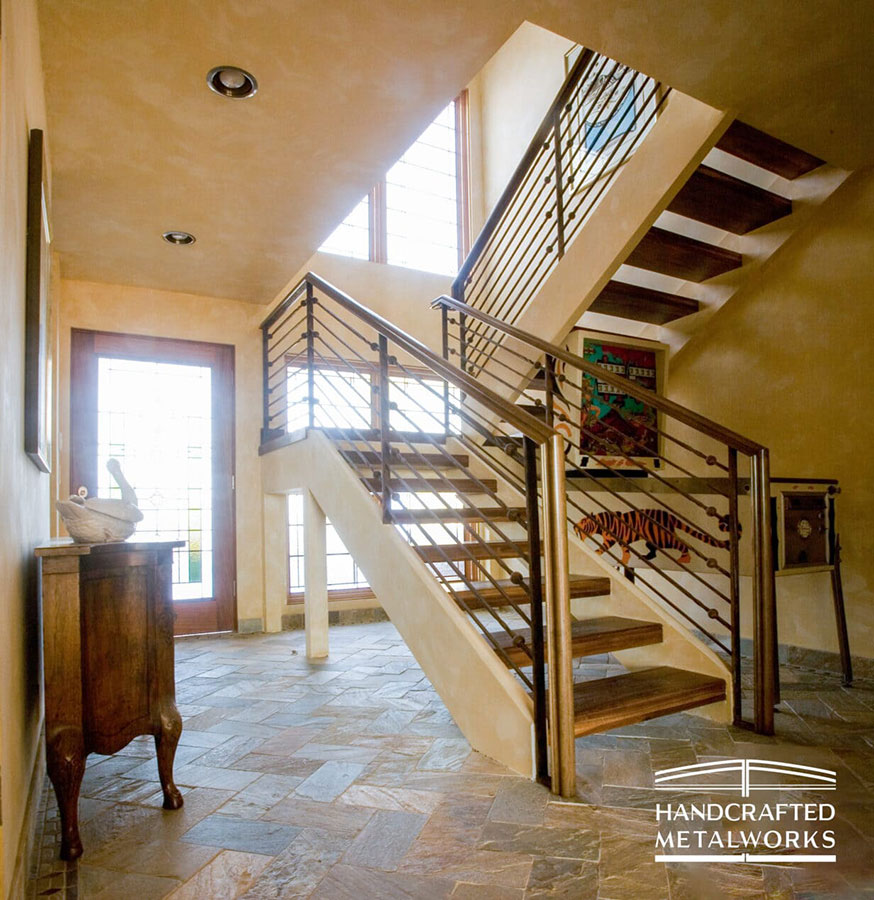
Density is one of the primary differences between lightweight and heavy-duty metals. Lightweight metals like aluminum or titanium have a low atomic weight, offering an excellent strength-to-weight ratio to a building. Thus, it becomes a great choice for an interior metal stair railing. Aluminum naturally resists corrosion by forming a protective oxide layer, which works perfectly for outdoor setups near beach water or rainy zones.
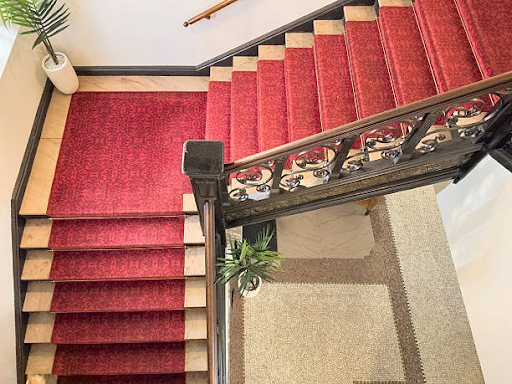
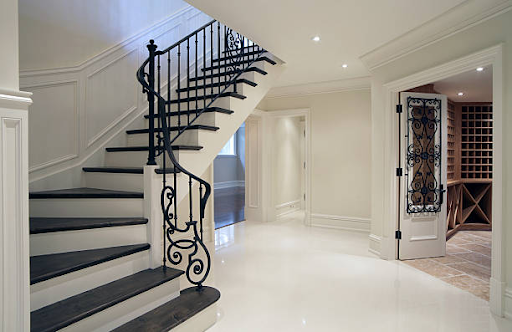
Heavy-duty materials such as structural steel and wrought iron offer greater strength and load-bearing capacity. A dense build gives them amazing strength against pulling and crushing forces, letting them hold up massive amounts of weight. Heavy options need special coatings like hot zinc dips to stay rust-free, but a thick build stands up to hard hits and daily wear. When picking materials for yard boundaries or side gates for houses, match the metal to the actual weight needs of the site.
Do you want to secure your property with flawless metal railings?
Heavy-duty metals provide exceptional stability because of their density and structural strength. Trusted stair railing contractors rely on these properties to build safe and long-lasting setups.
Looking closely at the main pressure points of a build helps builders spot the best material choice for the safety needs of the job.
Light metals fit modern building designs well when you need clean cuts, rust protection, and low total weight. Because these metals bend and shape easily, shops can press them into clean lines and smooth modern frames. This makes them a great match for high-up or beach setups where heavy parts would make the build too hard or rust fast from the salt air.
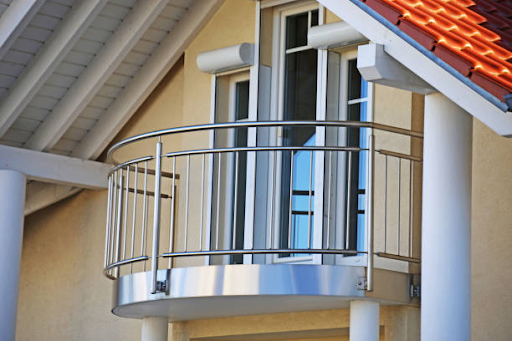
Aluminum is commonly used for exterior trim, architectural features, and modern railing systems. Aluminum frames hold heavy glass balcony railings safely without blocking your view. For driveways, a lighter gate puts less stress on the motors and hinges, which helps the automatic opener last a lot longer. This driveway gate setup keeps your yard secure while opening smoothly and quietly every day.
Hard environments need materials that stand up to constant weight, rough hits, and tough weather without breaking. Structural steel and wrought iron remain the preferred choice for demanding structural applications. These materials will not warp or bend when holding heavy weight or facing constant rough use over decades.
In factories, stores, and busy home neighborhoods, heavy metals form the main core of safety setups.
The lasting strength of heavy iron and steel keeps critical safety walls completely stiff during accidents or daily hard use.
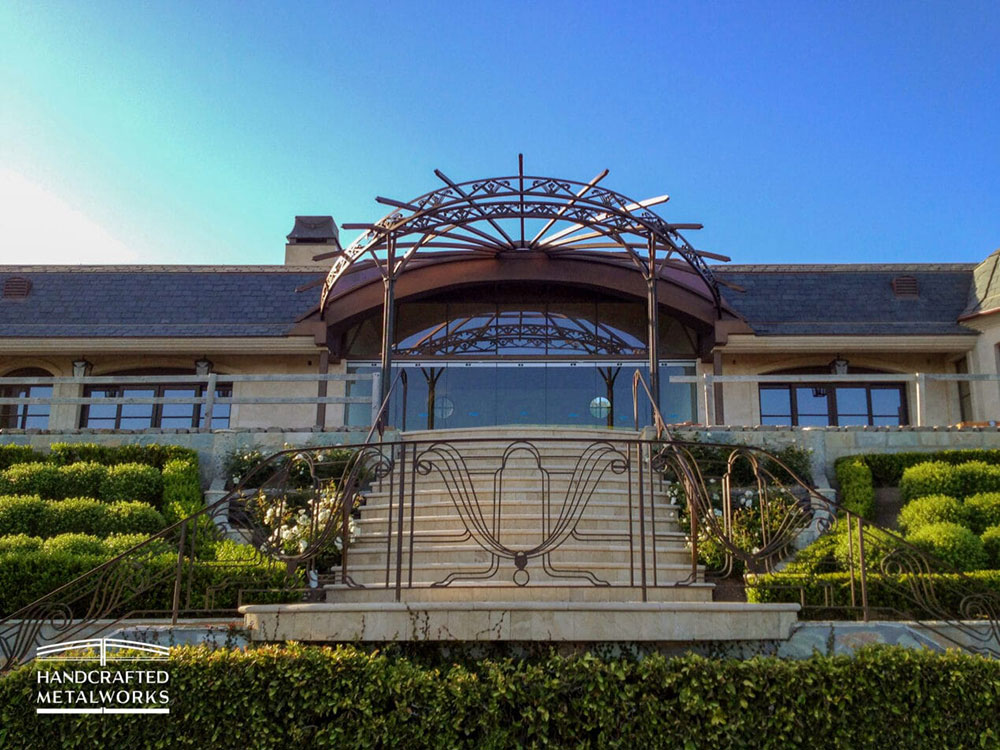
Picking between light and heavy metals takes a clear look at the weight, use, and weather needs of the job. Homeowners searching for a custom stair railing near me must weigh the site demands against the actual strengths of each metal type.
Evaluating these factors ensures builders making stair railings in Orange County, CA, select the exact metal type to balance safety, aesthetics, and long-term costs.
Selecting the right metal is one of the most important decisions in any architectural or structural project. At Hand Crafted Metalworks, we mix decades of shop knowledge with top build standards to deliver great architectural pieces. Whether your project needs structural changes, artistic metal trim, or a special custom handrail setup, our team builds every piece to exact safety levels. By knowing what your property needs, we help you pick the right metal type to get lasting durability. Contact Hand Crafted Metalworks today to talk about your next custom metalwork project and get a tough, long-lasting setup made just for your home or business. Our team manages every stage of the project, from design and fabrication to professional installation. We take pride in bringing your exact ideas to life while keeping everything completely safe across Southern California.
Ready to upgrade your property with premium custom gates or railings?
[Contact Hand Crafted Metalworks Today]
Weight limits, strength ratios, and load capacities define structural metalwork. Aluminum options weigh less and stop rust naturally. Steel profiles bring thick weight and high impact protection. At Hand Crafted Metalworks, we use both metal types. Our team selects materials based on safety laws and property style goals to ensure your project remains safe and durable.
A local custom stair railing near me shop picks aluminum for low weight and strain. Plane, car, and home design industries choose light metals. Factories, bridge builders, and big stores need heavy profiles. These dense materials build lasting infrastructure. Strong store boundaries handle large daily crowds. Hand Crafted Metalworks supports these varied construction fields with premium fabrications.
Material selection requires checking structural loads and weather risks. Homeowners choose an interior metal stair railing for clean indoor looks. Aluminum works best near oceans due to salt air. Heavy profiles build stiff road barriers and tough gates. Hand Crafted Metalworks assists builders with precise material selection to match the exact needs of every architectural site.
Chemical mixes, carbon levels, and paint quality decide metal lifespan. Outdoor side gates for houses need specific traits to resist rust. Morning fog and daily use alter material strength. Applying industrial powder coats or hot zinc layers keeps iron strong. These protective steps preserve metal safety surfaces and maintain structural integrity for many decades to come.
Light options stop rust well during wet weather. Aluminum handles coastal air without rusting near the ocean. However, heavy steel brings top security and impact protection. Contractors check site impact risks before starting builds. Builders select metals for stair railings in Orange County, CA, based on environmental wear. Our final choices give projects the exact required lifespan for long-term safety.