Steel forms the structural backbone of modern buildings. It keeps commercial buildings and private home projects standing strong. Unprotected steel begins to corrode when exposed to moisture and oxygen, making long-term protection essential. This guide explains why corrosion protection is essential for extending the lifespan of steel structures. Choosing the right protective coating plays a major role in the long-term performance of any steel project. A good example is comparing zinc metalizing vs. galvanized metal. At Hand Crafted Metalworks, we combine structural building setups with tough metal coatings so every frame stays strong against beach humidity, heavy rain, and city pollution.
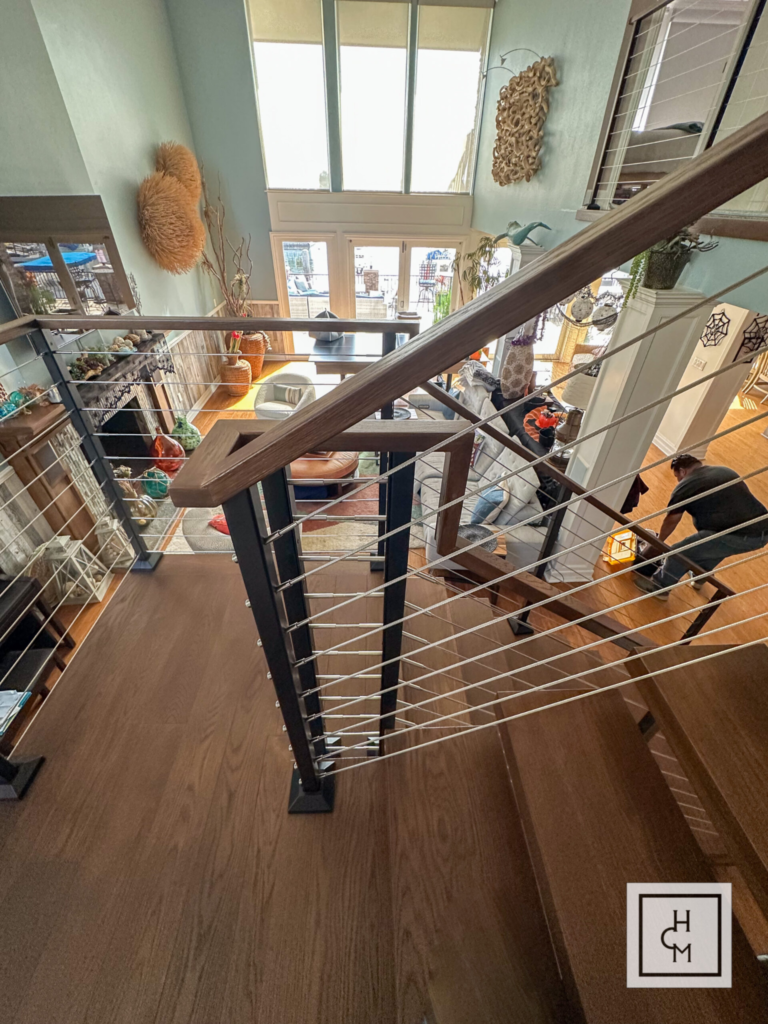
Steel begins to deteriorate when moisture and environmental contaminants trigger corrosion.. Even indoor steel components, such as fireplace screens, can corrode in humid environments.
Protect your steel structures with a corrosion-resistant finish designed to withstand Southern California's coastal climate. Contact Hand Crafted Metalworks today for a free consultation.
One of the greatest risks of corrosion is the gradual loss of a structure's load-bearing capacity. As corrosion progresses, the thick, solid part of the steel shrinks. This shrinkage lowers the heavy weight and pressure the metal can safely hold. For example, a metal staircase needs exact thickness to handle heavy daily foot traffic. If the frame gets deep rust holes or uniform surface rust, the safety limits drop.
Past basic surface damage, rust creates tight stress points inside the build. Rust can occupy up to six times the volume of the original steel, creating internal pressure that damages surrounding materials. This swelling can crack surrounding concrete. It can bend nearby bolts and make the structure shift out of place. Inside a metal build, a weak metal stringer holding up heavy steps can bend under weight. This bending causes unsafe tilting and broken joints.
Building codes require corrosion protection to ensure long-term structural safety. Custom metal gate doors in San Clemente left out in the weather can break suddenly if they do not have the right coatings.
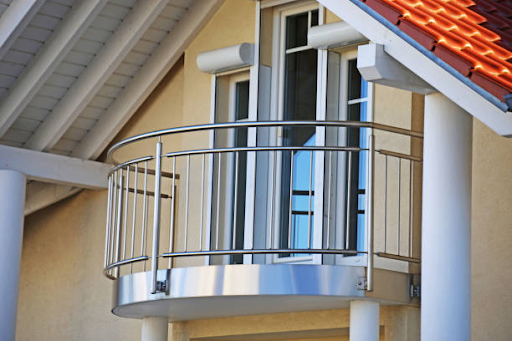
Outdoor steel exposed to the elements deteriorates much faster without a protective coating. High metal balcony rails must keep their exact strength for decades to keep people safe. If rust ruins the anchor points or bars on these systems, the danger of a fall goes up.
Choosing the best protective finish depends on the weather, the budget, and the style of the project. Industrial coaters on the Orange County ironworks use a few strong ways to seal raw steel from moisture.
For big metal projects like large ornamental iron railings, choosing between thermal spray and hot galvanizing is very important.
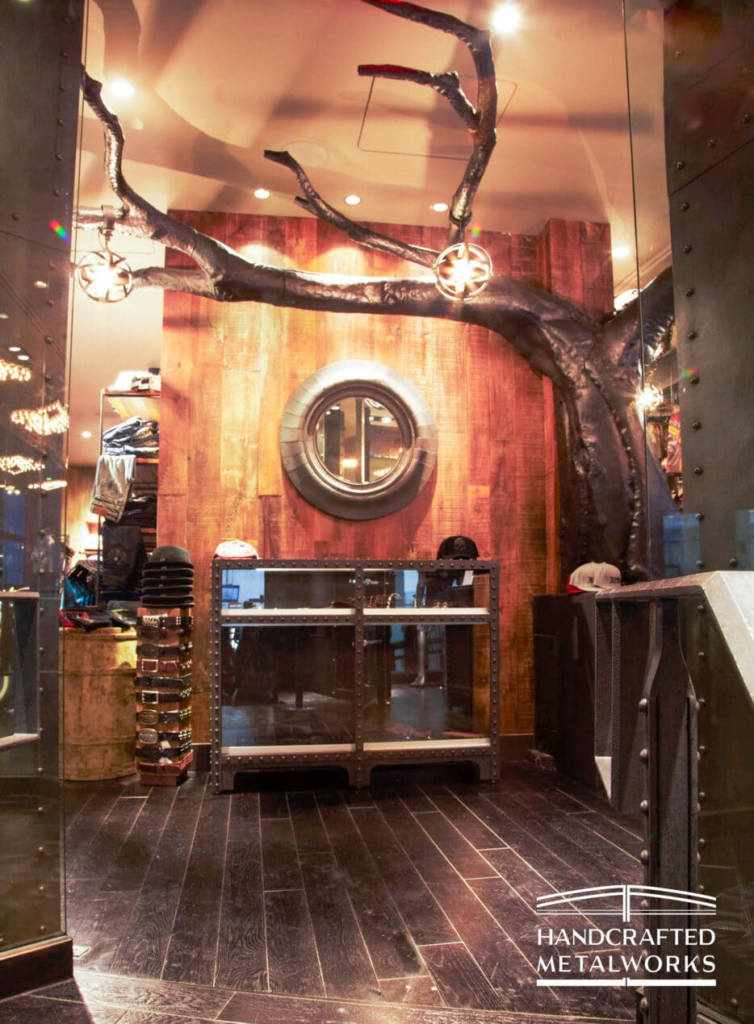
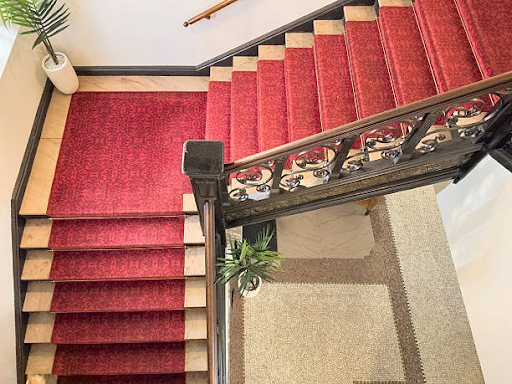
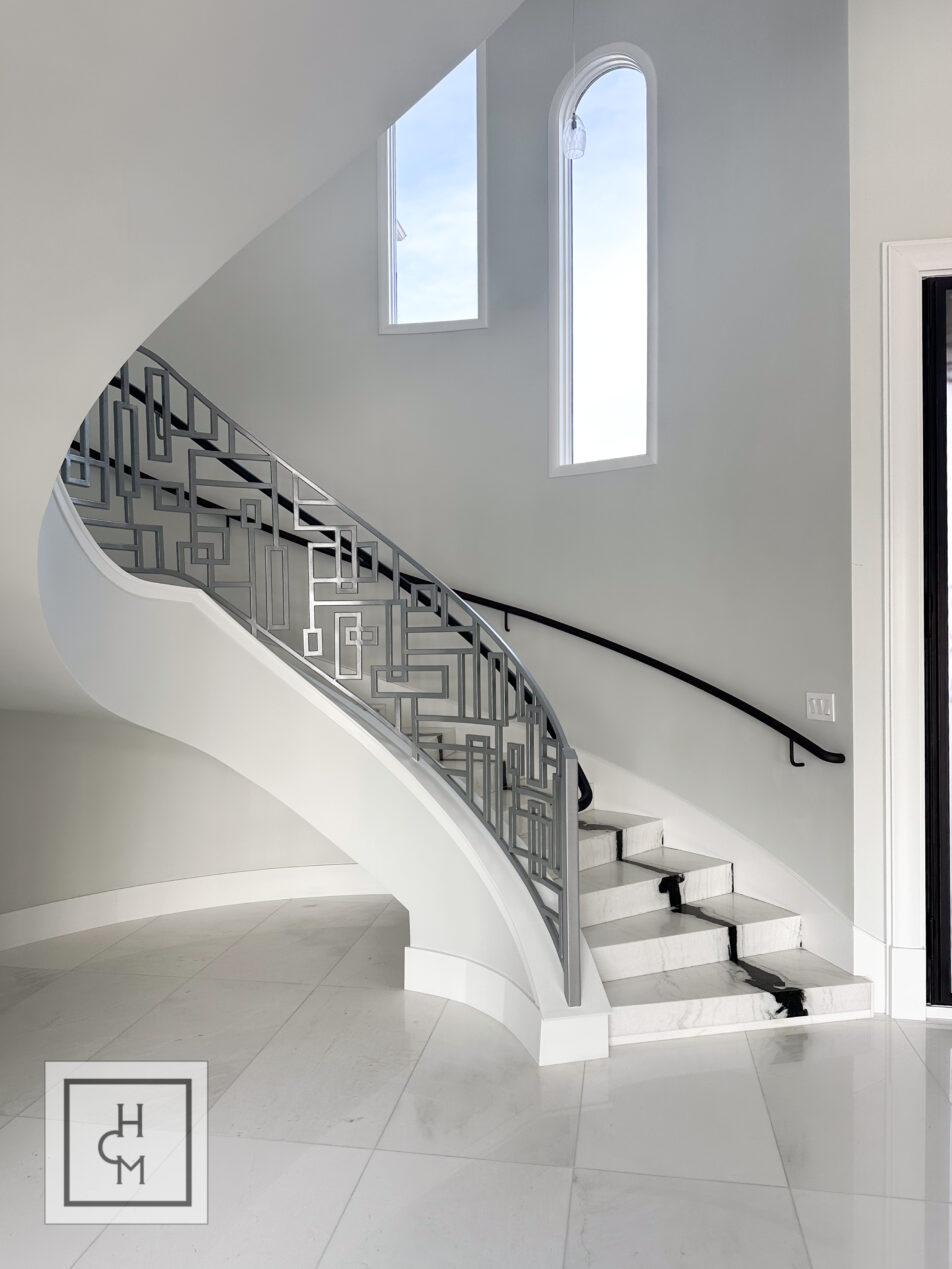
Long-lasting corrosion protection depends on proper surface preparation and high-quality fabrication practices. Poor-quality welding often leaves small slag pockets and bumpy pits. Metal stair railing designs can leave sharp metal edges where thin coatings crack or wear off early. Skilled metal builders grind down rough welds and smooth out sharp corners. They blast the metal clean to remove all mill scale before spraying on protective primers.
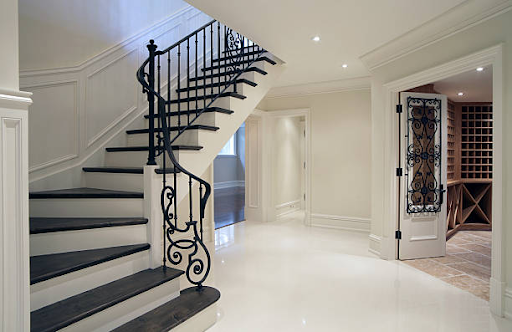
This care is key when making detailed metal pieces, like a custom wrought iron setup or heavy outdoor gates. Making sure every weld joint is totally sealed keeps water from hiding in small inside gaps. By spraying coatings evenly on tricky metal shapes, proper coating application helps prevent corrosion from developing in hard-to-reach areas, keeping the art and strength alive for years.
Corrosion protection is one of the most important considerations when designing and fabricating steel structures. Unchecked rust ruins weight capacity and creates safety dangers for high platforms. It also increases long-term maintenance and repair costs. Property owners can protect their metal builds from tough outdoor weather by using protective coating systems, like comparing zinc metalizing vs. galvanized metal steps. Working with a skilled team like Hand Crafted Metalworks ensures your metal projects combine smart building plans with long-lasting metal shields. Spending time on clean metal preparation and top-grade anti-rust coatings keeps steel frames safe, functional, and beautiful for generations.
Ready to protect your outdoor steel from coastal rust damage?
[Call Hand Crafted Metalworks Today]
Rust protection stops the slow loss of metal thickness from water and air reactions, helping frames last their whole planned lifespan. When checking zinc metalizing vs. galvanized metal, picking the right zinc coating builds a strong shield. Without defensive barriers, outdoor fixtures ruin quickly, spoiling safety and style in just a few short years.
Oxidation cuts down the solid load-bearing size of steel parts, lowering overall strength and causing sudden snaps under heavy weight. At Hand Crafted Metalworks, our team stops these dangers by putting heavy-duty finishes on high-stress parts. This specialized process ensures that heavy installations like custom metal gate doors in San Clemente stay safe and straight through decades of daily use.
Top defense choices include hot-dip galvanizing along with zinc thermal spraying. Builders use multi-layer powder coats over strong zinc primers. For unique indoor setups, we recommend picking high-quality metal parts to ensure great durability. A strong fireplace screen design handles regular heat and moisture well without ever showing ugly surface rust.
Shipping lines and public road builders get a boost from rust-resistant metals. Luxury home construction benefits because outdoor weather hits these structures every day. At Hand Crafted Metalworks, our regional Orange County ironworks shop uses these advanced protection methods to keep large outdoor steel frames completely safe, beautiful, and stable in salty beach air.
Basic upkeep lets property owners spot early coating wear and small pits. Maintenance workers find local rust spots before the inner steel takes real structural damage. Checking and touching up weak areas preserves detailed metal stair railing designs. Our careful maintenance steps block moisture from getting past the outer shield, stopping deep, hidden rust inside crucial structural joints.