This is the major thing that matters more than anything else when you start looking into the fabrication of stair railing. You want a material that keeps its integrity for a long time, matches the style of your home, and is the kind of strength that does not make you doubt every time someone puts their weight on it.
Many times we hear that question, and people who think this way can hardly go wrong.
Different materials behave differently over time. Some stand up to heavy daily traffic. Some resist moisture better. Some give you a clean, modern look with very little maintenance. When you understand the strengths and limits of each one, choosing becomes much easier.
This guide walks you through the materials we trust because we’ve worked with them for years and seen how they hold up in real homes.
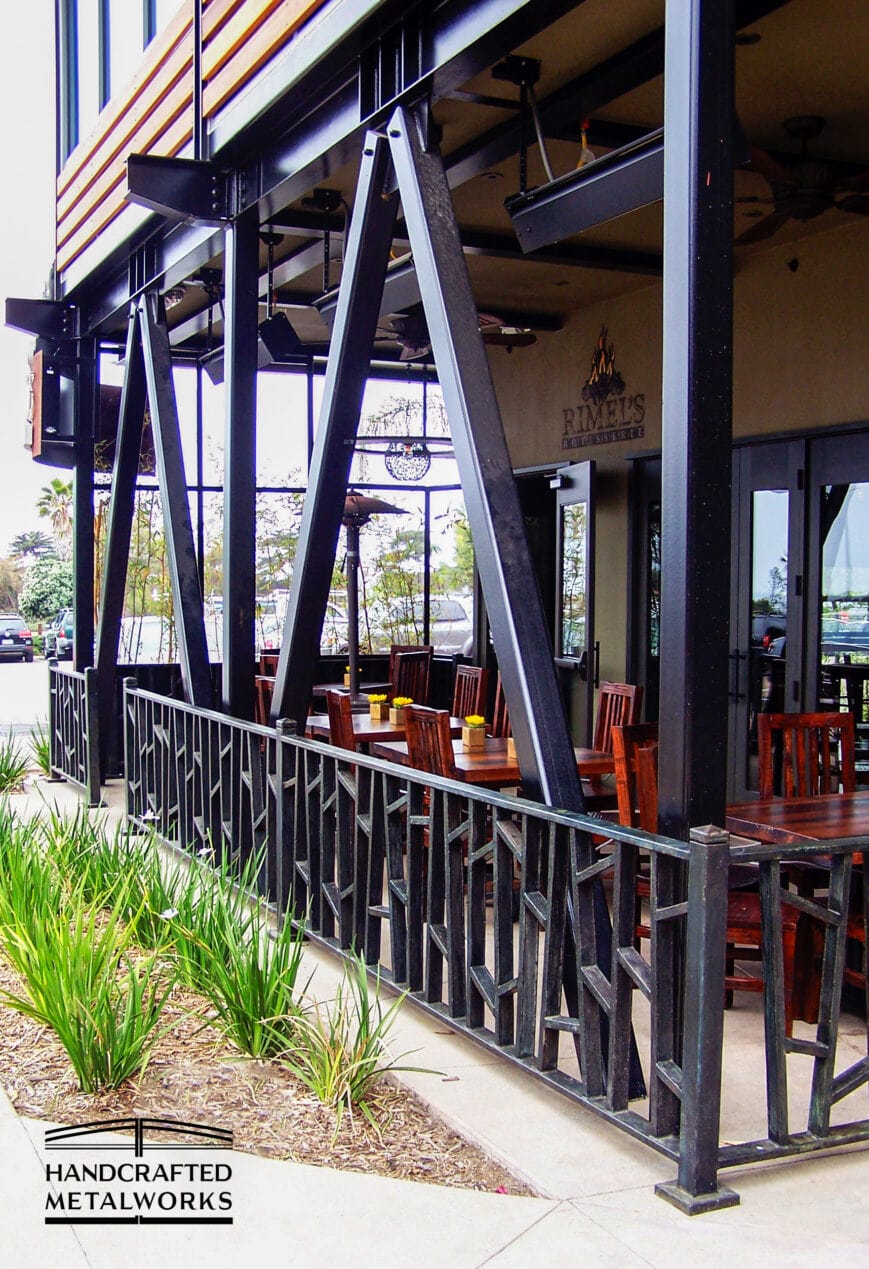
Steel is one of the most dependable materials for stair railing fabrication. When someone wants long-term strength, steel is usually where the conversation starts.
Steel is a heavy material and maintains its shape even when a railing is heavily used. In case children are running up and down the stairs, or the railing is in a highly trafficked area, steel will be able to take that weight without it becoming bent or loosened with time.
There are a few reasons steel works well:
Most homeowners who want the lowest amount of maintenance lean toward steel. Once it’s built and finished correctly, you rarely have to think about it again.
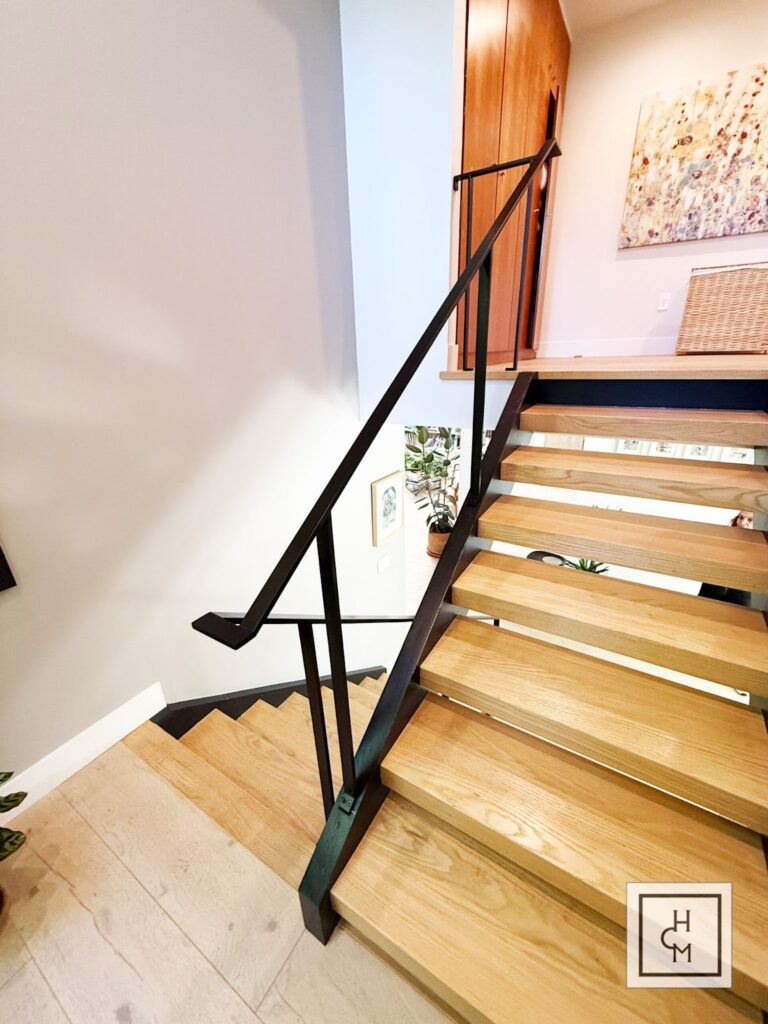
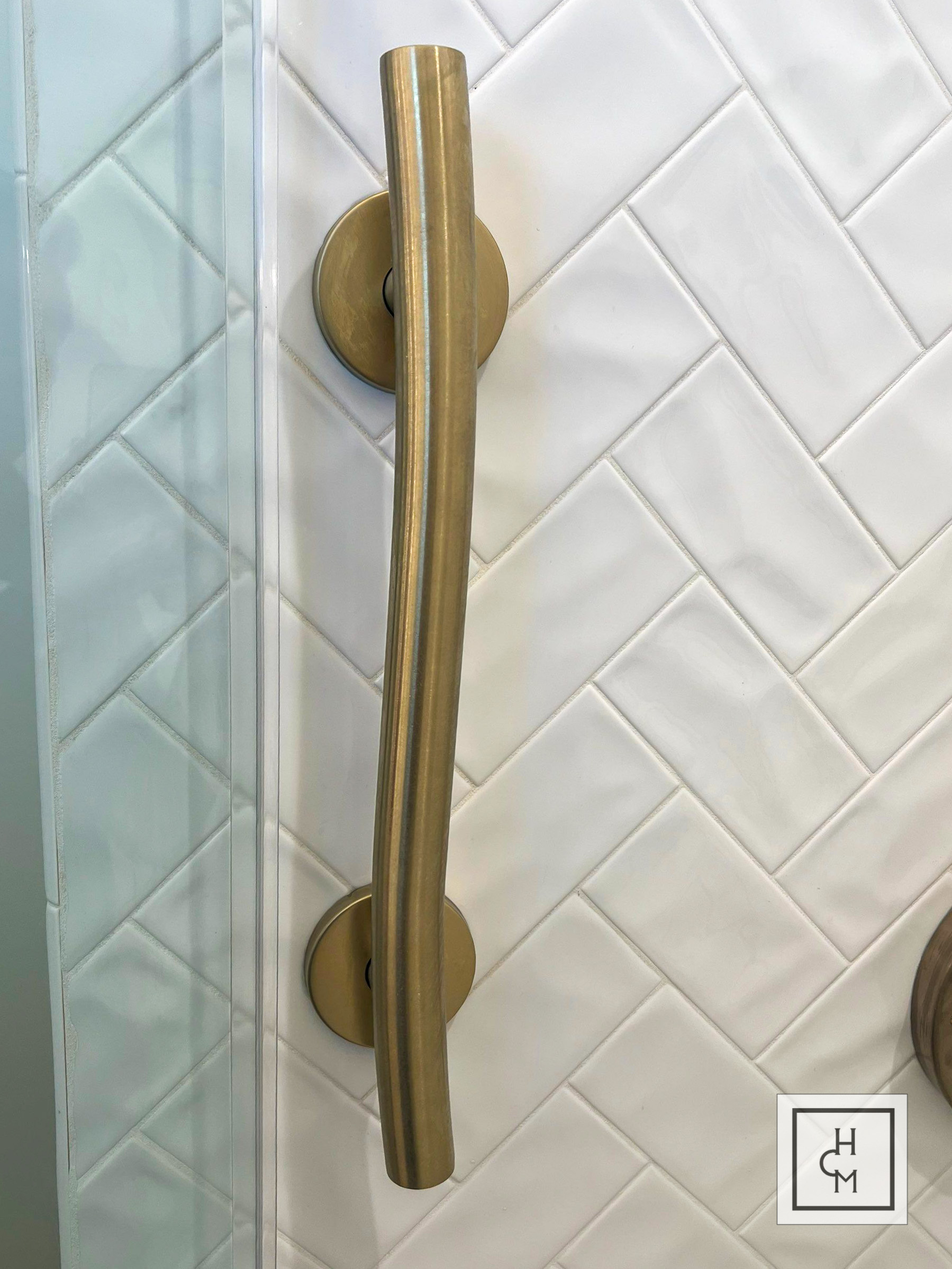
When you are going for durability along with a fresh and modern look, stainless steel is a great choice, which is a level higher than regular steel. We typically incorporate it into residential designs where the handrail has to appear airy and stylish.
In case your handrail is next to a kitchen, bathroom, or any place with moisture, then stainless steel would be the safest bet among the choices. It is very tough to corrode and stain, and thus it resists these situations more than almost all other materials.
This material works especially well when:
Stainless steel is often the metal of choice for homeowners who desire a trendy finish combined with the longevity of the metal, which is able to keep its color and texture for years with minimal maintenance.
Aluminum is lighter than steel but is still strong enough to be used in the majority of stair systems. We recommend it when the weight is a factor or when you want something that is simple to clean and maintain.
One of the reasons aluminum is a good choice is that it is a corrosion-resistant metal by nature. Even without the application of heavy coatings, it can withstand the humidity and indoor moisture very well. If your house is equipped with large windows and there is a lot of natural light, aluminum will not fade or discolor easily.
It’s a good match for:
But remember that aluminum is not as stiff as steel, so we generally recommend it for structures that do not require heavy load-bearing strength.
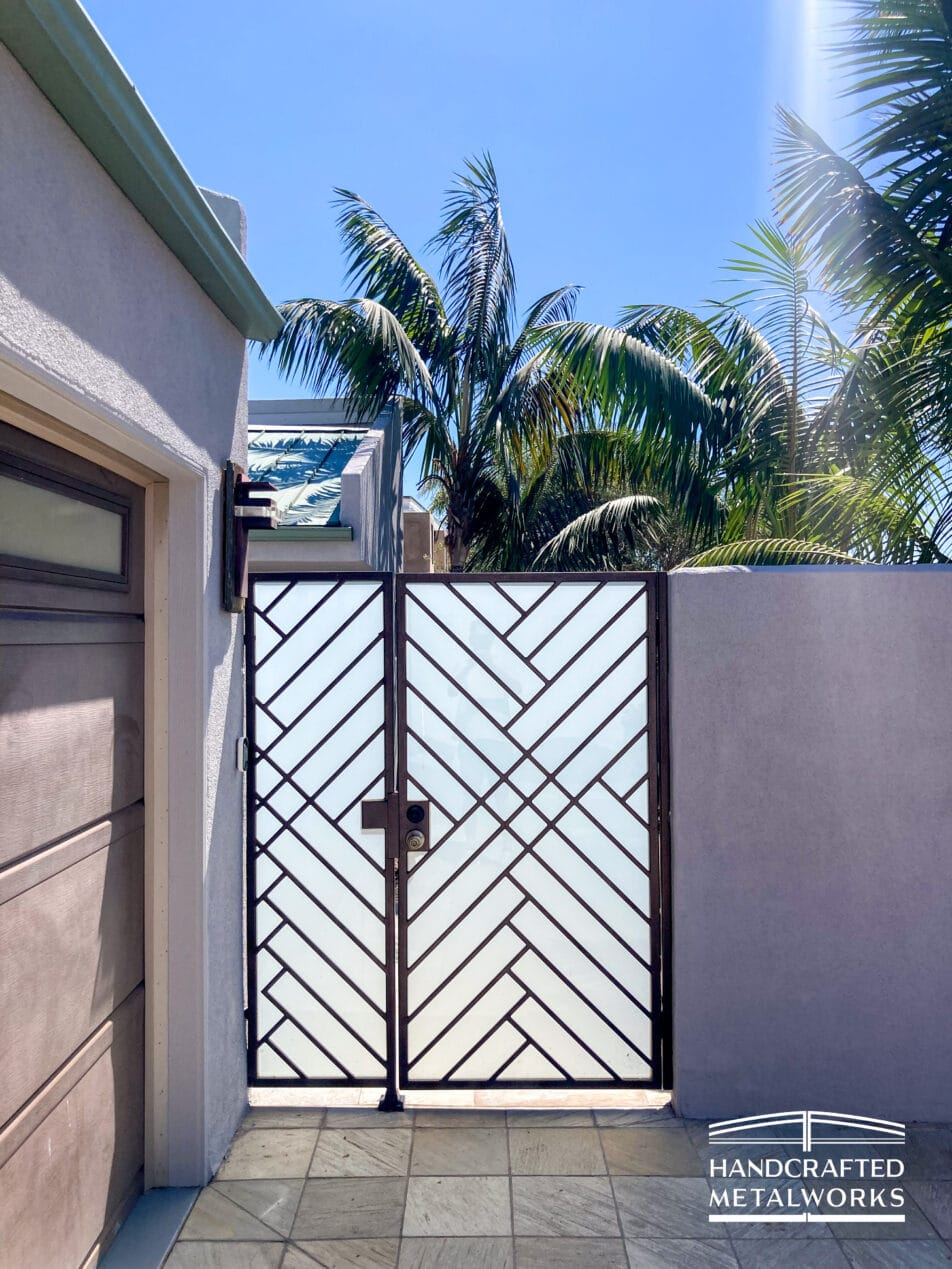
If you want a railing that provides real personality and heaviness to your house, generally the answer is wrought iron. It is very flexible and can be made into curves, scrolls, and any custom shapes that you cannot get from most materials.
Wrought iron is a great choice for homeowners who dream of a product that is handcrafted by a skilled artisan. It imparts a strong vibe to the stairs and can last for many years if given the right finishing.
You may want wrought iron if:
The only maintenance it needs is periodic cleaning and occasional touch-ups to keep the finish sharp.
Wood is a warm, classic option. It works well when the goal is comfort and natural texture. We still use wood often, but usually combined with metal for long-term strength.
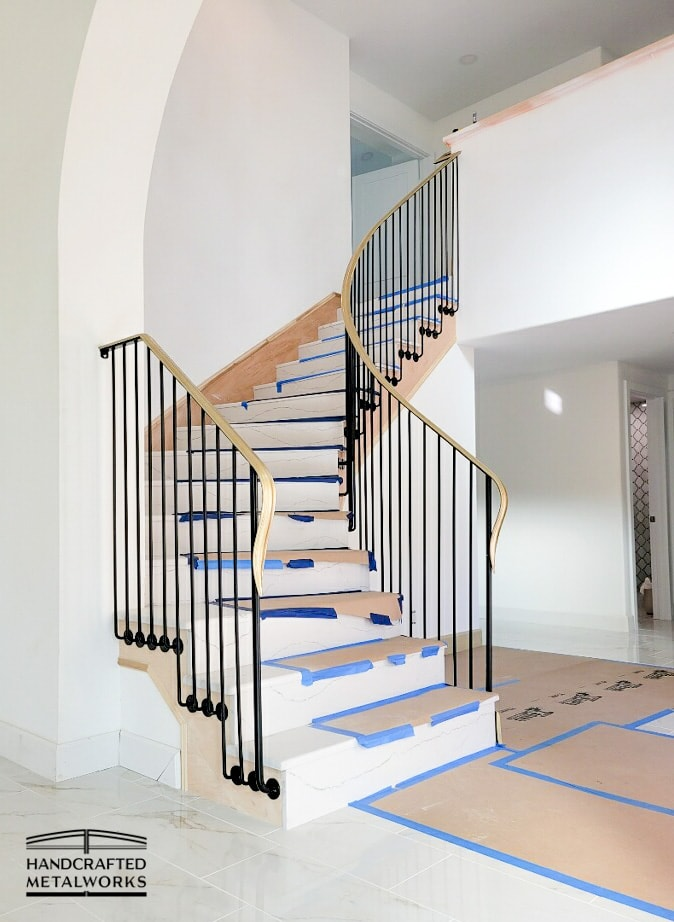
Some homeowners choose wood rails on top of metal posts or metal frames. This gives you the warmth of wood without giving up the stability of steel or iron.
Wood works well if:
Wood is not really good for wet or humid places; however, when wood is combined with metal, the result can be much more durable, and the wood will not lose its shape.
Glass is never used for the structure itself, but when paired with metal framing, it creates a clean and open look. We use it most often in homes where the goal is a bright interior.
Glass works best when:
The glass is a safety tempered one. It hardly ever requires more than a regular cleaning from the time it is fixed there.
During the stair railing making discussion with the homeowners, we usually don’t consider the material as a starting point. Understanding usage, maintenance level, and the owner's style preference come first.
You should consider:
Once those details are clear, the choice becomes straightforward.
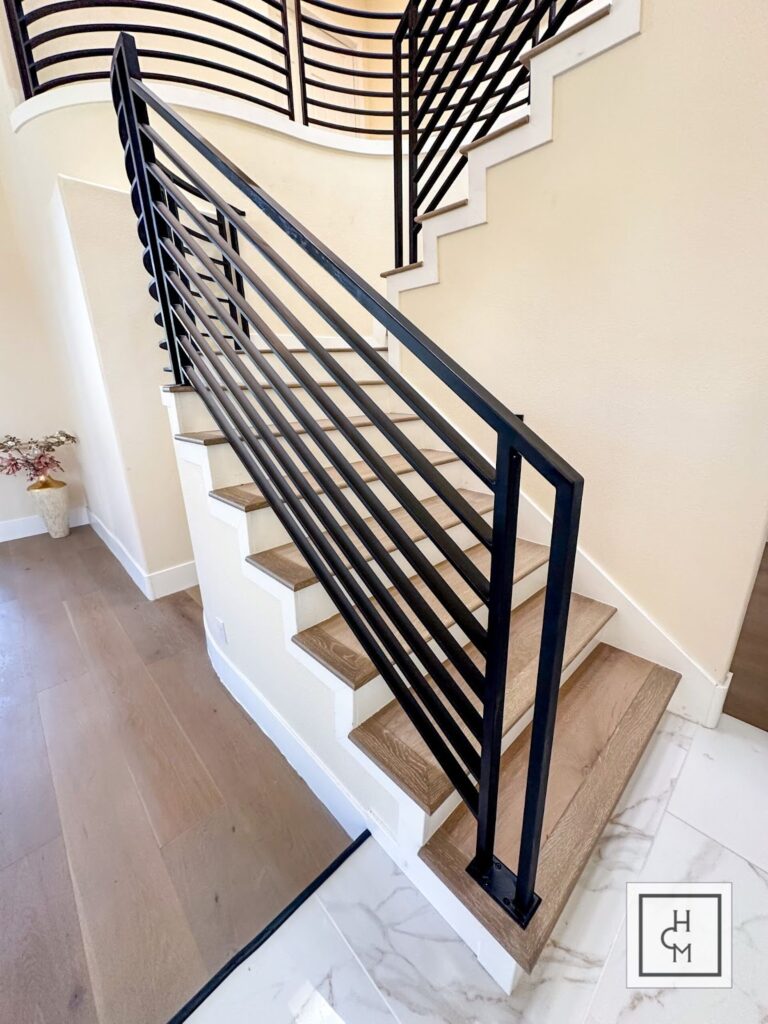
Before we reach the conclusion, it’s worth saying this. Installing the right material is one part of the job. Making sure it is shaped, welded, anchored, and finished correctly is the other side. That part decides how long the railing actually lasts.
At Hand Crafted Metalworks, we help homeowners choose the right material based on real conditions, not guesswork. Our railings are the powerhouse, the most balanced, and the longest-lasting of types since we do not fail to consider every minutiae that support strength.
Want guidance choosing the right stair railing material for your home?
The most suitable materials for making the stair railing will be those that meet the needs of your home. One of the materials, in fact, can furnish the stairs with more strength, more style, and a longer life of the product in different ways.
What it all comes down to is a quick summary of each material:
In case you want transparency and light, use glass with metal.
When you pick the proper material and collaborate with proficient stair and railing contractors, your railing will be functional and aesthetically pleasing for a long time with minimal maintenance.
Ready to build a railing that lasts for years and fits your home perfectly?
1. What material is the most durable and lasts the longest for indoor stair railings?
Basically, steel and stainless steel are the most durable materials, which give you a very long lifespan with minimal upkeep.
2. Is aluminum sufficiently strong to be used as a main stair railing?
Definitely, aluminum is a good choice for the majority of residential stair systems if it is properly designed.
3. Is it possible to use wood in the fabrication of durable stair railing?
Wood is most effective when it is combined with a metal structure to enhance strength and extend the life of the product.
4. Can stair and railing contractors provide the material that is right for us?
Stair and railing contractors with lots of experience help you decide based on the usage, style, and durability of the product in the long run.