Metal gates look solid. Clean. Strong. That first impression matters.
But here’s the thing: no matter how premium your metal gates are, if you ignore maintenance, they’ll start showing it. Rust creeps in. Hinges get noisy. The finish dulls. And suddenly that beautiful metal pedestrian gate or decorative entry starts looking… tired.
Not ideal.
Whether it’s a pedestrian swing gate, metal driveway gates, or a custom aluminum pedestrian gate, a little care goes a long way. Not complicated stuff. Just consistent.
Let’s break it down properly.
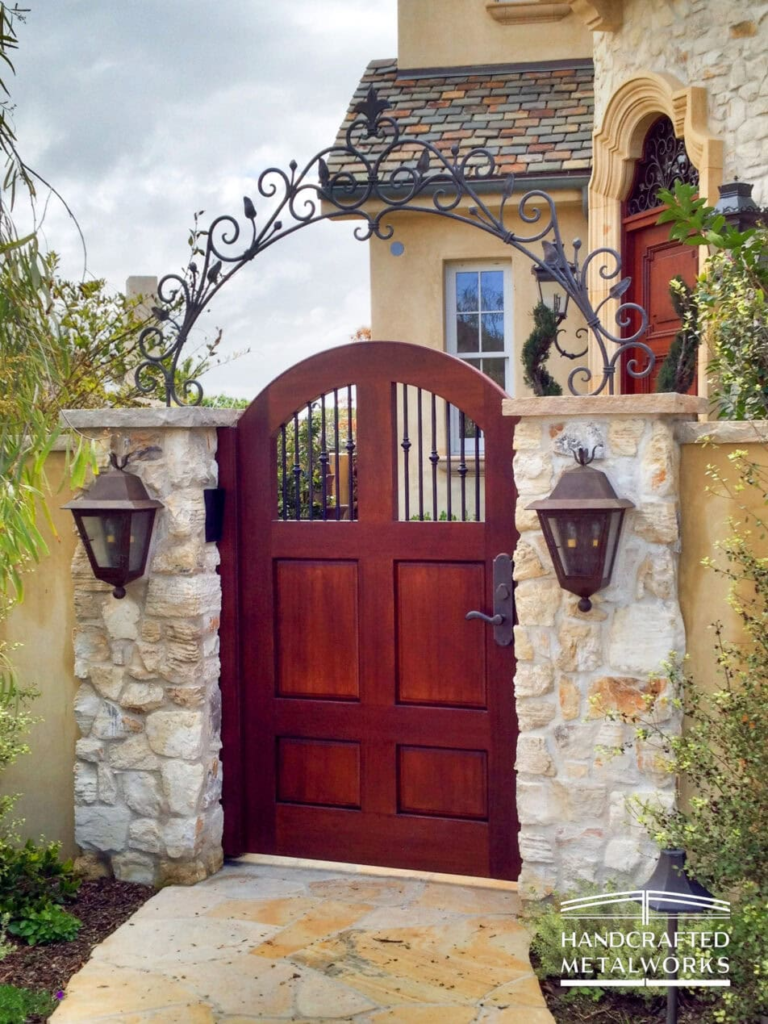
People assume steel gates or iron gates are “install and forget.” Not true.
Yes, they’re tough. Way tougher than wood. But they still deal with:
Even high-end wrought iron gates need attention. Strength doesn’t mean zero upkeep.
And honestly… neglect is what kills good metalwork early.
Sounds basic, but most people skip this.
Dust, dirt, and pollution sit on your gate and slowly damage the coating. Over time, it affects both look and lifespan.
Here’s what actually works:
That’s it.
For garden metal gates or outdoor metal gates, cleaning once every 2–3 weeks is enough in most cases. If you’re near the coast or in heavily polluted areas, do it more often.
Small effort. Big difference.
Rust doesn’t show up overnight. It starts small—tiny spots that are easy to miss.
But once it spreads, fixing it becomes expensive.
So check your metal gates regularly, especially joints, corners, and bottom edges.
If you spot rust:
Quick fix. Done.
Ignoring it? That’s where problems begin.
Nothing worse than a squeaky gate. It feels cheap and looks worse.
Your pedestrian swing gate or sliding metal gates rely on movement. And movement means wear.
So, every few months:
If your gate starts dragging or sticking, don’t delay fixing it. That pressure damages the frame over time.
That smooth, clean finish on modern metal gates or decorative metal gates isn’t just for looks; it protects the metal underneath.
When the coating gets damaged, moisture gets in. And that leads straight to rust.
To maintain it:
For aluminum pedestrian gates, corrosion isn’t as aggressive, but the finish still matters for appearance.
Don’t wait for visible damage.
Just do a quick check every season. Takes 10 minutes.
Look for:
This matters even more for security metal gates and metal driveway gates because they experience heavier usage.
Regular checks save money and stress.
A lot of maintenance problems start with poor-quality fabrication. Thin metal. Weak coating. Bad installation.
That’s why working with experienced fabricators matters.
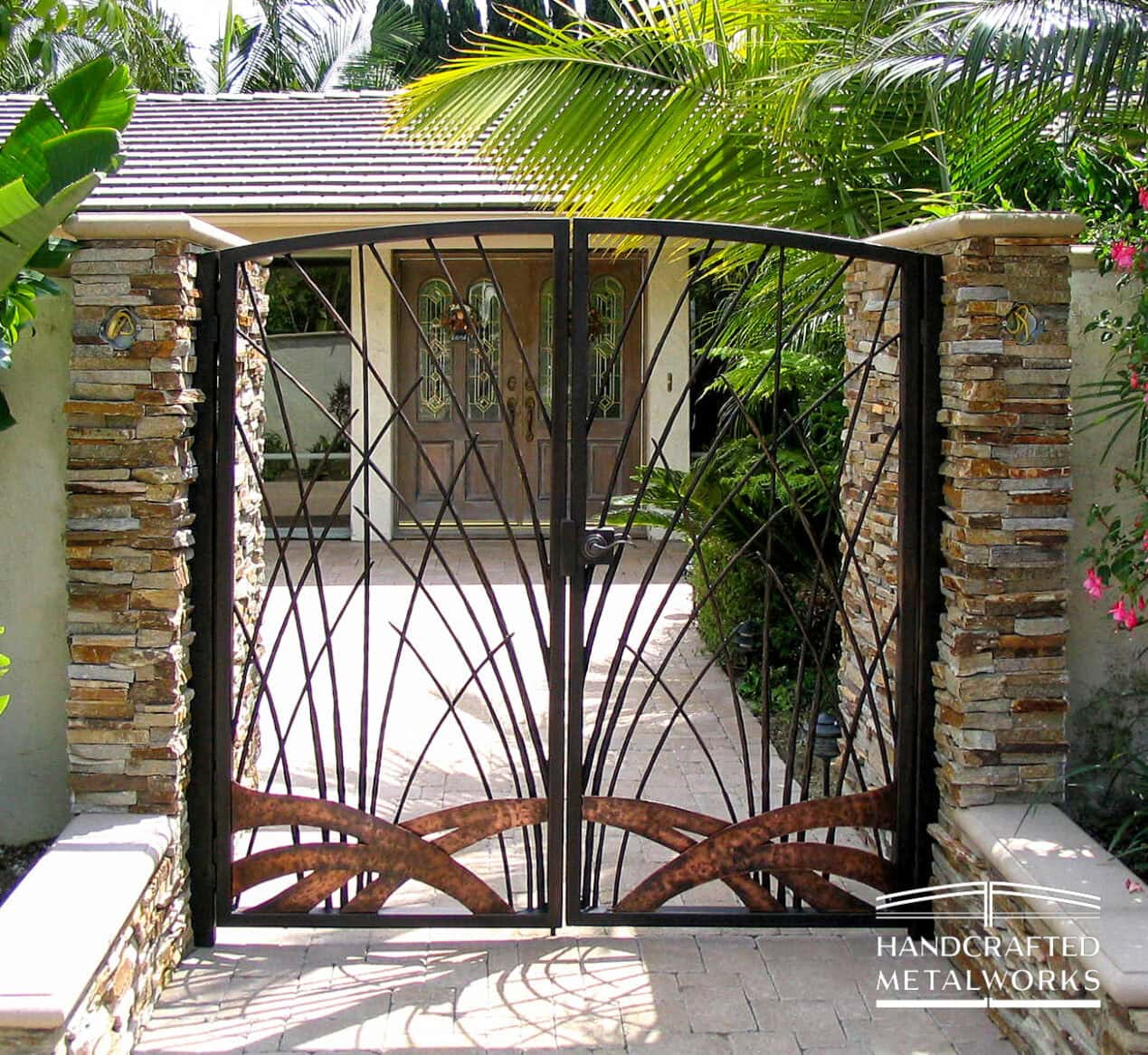
At Hand Crafted Metalworks, the focus is different. Everything is built by hand, properly engineered, and designed to last, not just look good on day one.
You get:
If the base is strong, maintenance becomes easier. Simple as that.
Your gate doesn’t exist in isolation.
Nearby plants, sprinklers, and even soil can affect it.
For example:
So keep the area clean. Trim plants. Adjust sprinklers if needed.
This is especially important for garden metal gates and outdoor setups.
Some things are easy DIY. Others… not worth the risk.
Call a professional if:
Trying to fix structural issues without the proper tools can make them worse.
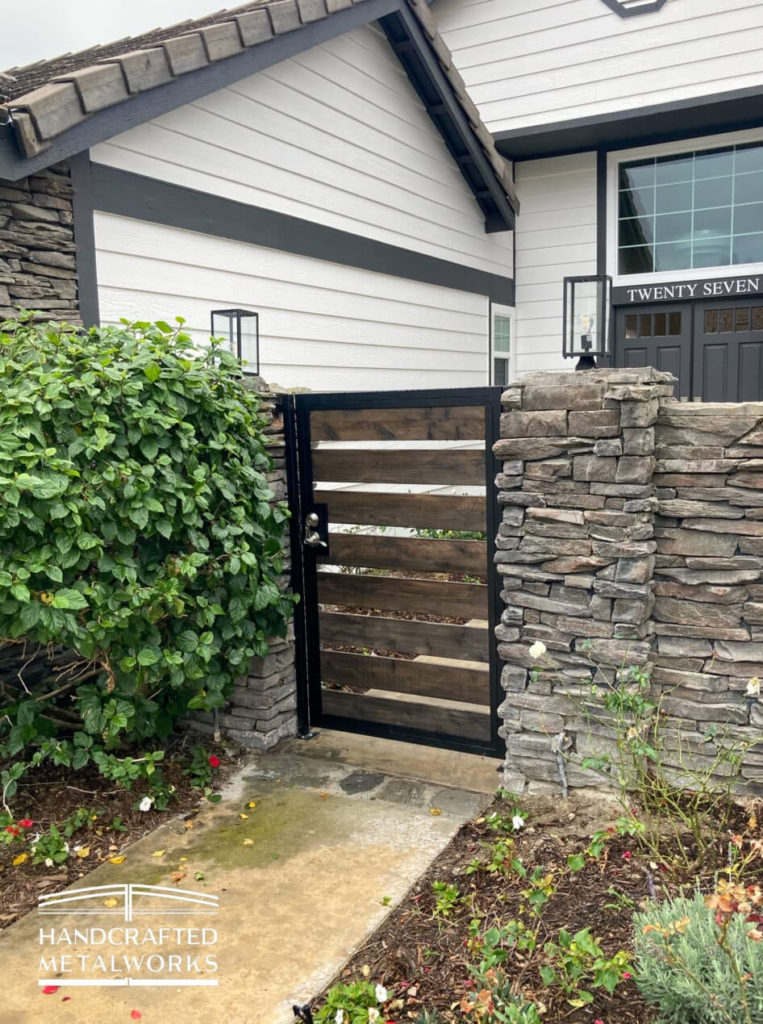
Consistency matters, no fancy maintenance routines, no expensive products, just regular care.
Clean it regularly and inspect it properly so you can fix small issues early.
That’s what keeps metal pedestrian gates, wrought iron gates, and even heavy-duty security metal gates looking sharp and working properly for years.
If your current gate is past saving… or you just want something better built from the start, don’t settle.
Work with experts who actually care about the craft.
Visit Hand Crafted Metalworks to explore custom metal gates, pedestrian gates, and high-quality fabrication that’s built to last.
Or better yet, schedule a consultation and get something made for your space. Not off-the-shelf.
Looking for strong and reliable construction solutions?
Metal gates are commonly used for security, privacy, and enhancing the overall look of a property. They can be installed as driveway gates, pedestrian gates, or garden entrances. From metal pedestrian gates to large metal driveway gates, they help control access while adding durability and visual appeal.
In most cases, yes. Metal gates last longer, handle weather better, and require less frequent replacement compared to wood. While wood may look good initially, it tends to warp, crack, or rot over time. Metal options like steel or aluminum provide better long-term value and stronger security.
A well-built metal gate can easily last 20–30 years or more, especially when maintained properly. Materials like steel and wrought iron are extremely durable. Regular cleaning, rust prevention, and occasional touch-ups can significantly extend the lifespan without major repairs.
Maintenance depends on usage and environment, but generally, light cleaning every few weeks and a full inspection every few months is enough. If your pedestrian swing gate is used daily, checking hinges and alignment more frequently helps prevent long-term damage and keeps everything working smoothly.