Walk past any commercial construction site, and the steel frame tells the full story. Metal fabrication converts raw steel into structural systems that support buildings for decades. These parts carry heavy loads and resist harsh weather. They also form the backbone of modern architecture.
This process connects engineering drawings with real construction work. Every cut, bend, and weld follows exact measurements. Buildings gain strength through controlled shop production instead of on-site guesswork. Structural accuracy improves because every part is built to planned specifications from the start.
Fabricated components are built in workshop environments before reaching the site. This reduces changes during installation. Construction teams receive ready-to-install parts that match design needs. Therefore, site work becomes faster and more organized.
Design teams and site crews follow the same technical drawings. Communication stays clear across all stages. Errors are reduced because fabrication follows fixed engineering data instead of field adjustments. Coordination improves between planning and execution teams.
This blog explains how metal fabrication improves modern construction through strength and faster project execution.
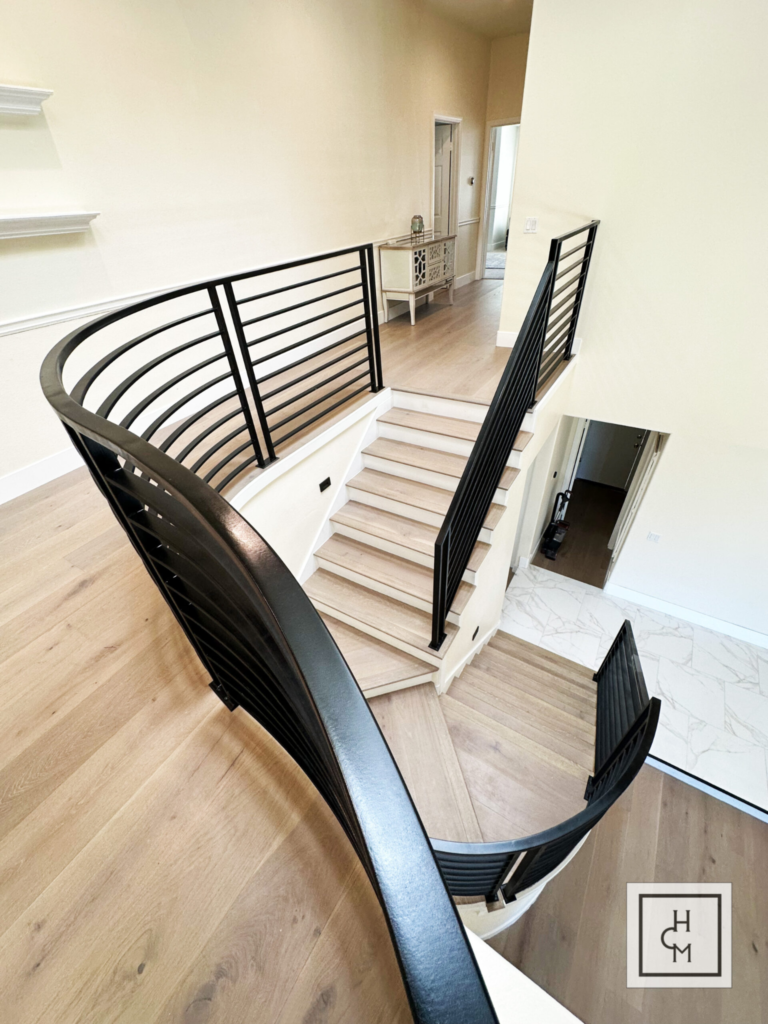
Metal fabrication builds the main structure that holds modern buildings together. It produces beams and load-bearing frames inside controlled shop environments. Tight measurement control ensures structural accuracy that field work cannot match.
Steel is the primary material because it carries heavy loads with less weight. It allows engineers to design open spaces without excessive internal supports. Commercial buildings rely on this flexibility for large interior layouts.
Structural steel systems are widely used in high-rise construction because they offer strength, flexibility, and long-term durability. The fact reflects long-term trust in fabricated metal for tall construction. Steel frames also manage wind pressure and seismic movement based on building code requirements.
Prefabricated structural sections arrive in planned sequences for installation. Crane operations focus on assembly rather than adjustment work. Construction progress stays aligned with schedule expectations across project stages.
Need precise metal fabrication solutions for your next construction project?
Sheet metal fabrication controls accuracy through structured production steps. Cutting, bending, welding, and assembly occur in controlled shop environments. This reduces variation caused by weather or field conditions.
Sheet metal fabrication forms panels for exterior coverings. These components require precise sizing to match surrounding structures. Small measurement errors create alignment issues during installation. Additionally, welding creates permanent joints that play a critical role in long-term structural performance. Strong welds maintain stability under load and stress conditions. Weak joints reduce long-term durability and safety.
Metal cutting and bending services produce brackets, frames, and connectors based on engineering drawings. Each piece matches the required dimensions before reaching the job site. CAD modeling identifies conflicts before fabrication begins.
Architectural metal fabrication enables complex forms that many standard materials cannot achieve. Metal can form curves and angles for detailed patterns in building design. These features define visual identity in modern architecture.
Architectural metal fabrication supports facades and decorative panels. Each element requires precision to match design intent. Small deviations change the final appearance and alignment.
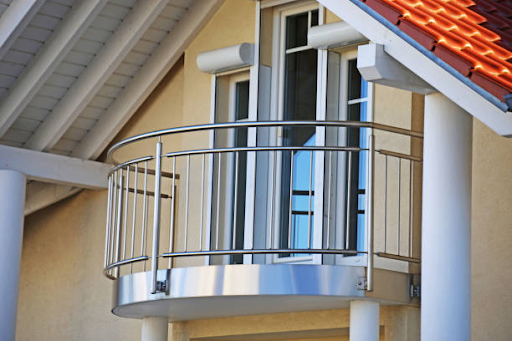
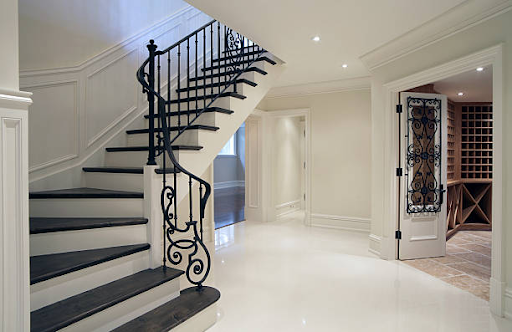
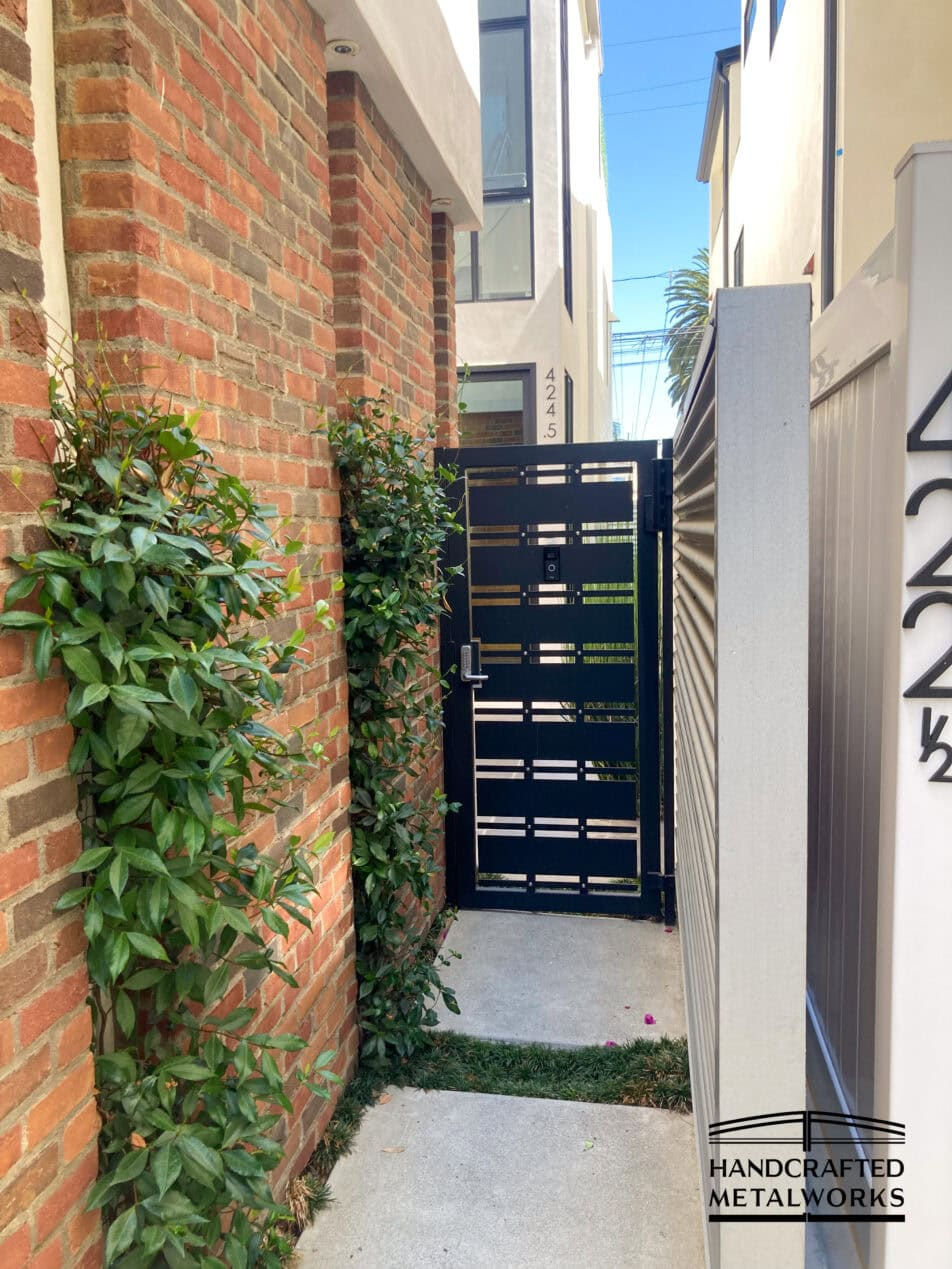
Custom metal fabrication supports project-specific requirements that standard parts cannot meet. Curved railings, patterned panels, and unique profiles depend on fabrication accuracy. Designers rely on these capabilities for modern building styles.
Industrial metal fabrication focuses on strength and function for large facilities. Warehouses and plants require wide spans and heavy load support. Structural performance takes priority over decorative design.
Prefabricated metal systems reduce work performed on construction sites. Structural assembly begins immediately after delivery. Field labor focuses on installation rather than fabrication tasks.
Shop fabrication improves quality control through stable working conditions. Temperature and inspection processes reduce variation in structural output. Moreover, heavy metal fabrication supports infrastructure such as bridges and towers. These projects require high load capacity and long-term structural stability. Controlled fabrication reduces risk during critical construction stages.
Stainless steel fabrication resists corrosion in moisture and coastal environments. It helps extend the service life in outdoor and industrial conditions. Steel is one of the most widely recycled construction materials, supporting sustainability and material reuse. Reduced waste improves sustainability performance for modern projects.
Fabrication service selection affects cost, quality, and project timeline. Experience with similar structural work improves project outcomes. Shops familiar with complex builds reduce execution risks.
Our aluminum fabrication services reduce weight and simplify installation. Moreover, material selection impacts the long-term performance of fabricated components. Steel grade, thickness, and finish determine durability. Application-based selection improves structural reliability.
Local services reduce transport delays and improve communication flow. Searching for local metal fabrication providers can help businesses find faster service and better project coordination. Faster response supports changing project requirements.
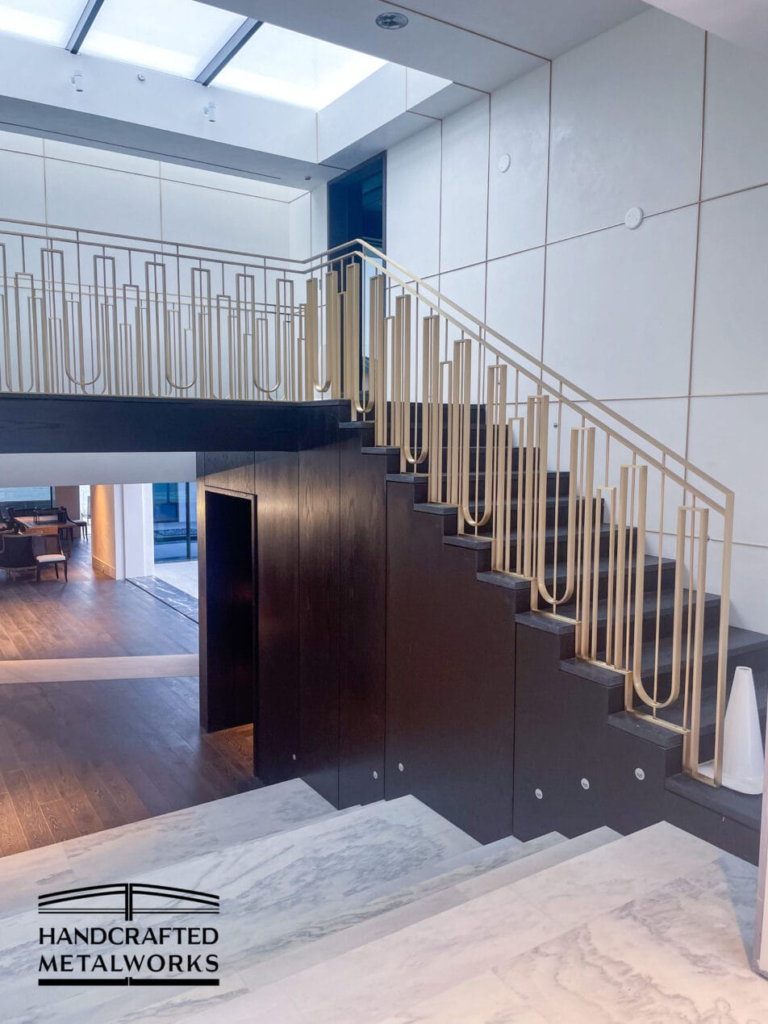
Buildings achieve long-term strength through accurate fabrication work. Metal fabrication turns engineering plans into physical components that carry loads, define space, and support structural systems. Each stage of fabrication impacts how buildings perform over time.
Construction quality depends on precision, material selection, and fabrication control. Design intent becomes reality through accurate shop production. Structural reliability begins before installation starts on site.
If you are looking for “fabrication and welding near me”, you will find Hand Crafted Metalworks ready to support your project with precise fabrication and custom metal solutions built for residential and commercial needs. We focus on rapid response to minimize downtime and keep installation schedules on track. Our approach keeps project timelines stable and progress on track.
We deliver fabrication solutions for residential and commercial projects. Every component is built with careful engineering and skilled craftsmanship. Our work focuses on strength and long-term performance across every build.
Looking for strong custom-built metal structures?
[Request Expert Consultation Now]
1. What is metal fabrication?
Metal fabrication turns raw metal into finished building components through cutting, shaping, and assembly based on engineering drawings. The final parts include beams and railings used in construction projects. At Hand Crafted Metalworks, each project starts with a clear use and purpose. This helps every part fit the strength needs and design goals for homes and commercial buildings.
2. What materials are commonly used in metal fabrication?
Steel and aluminum are common in fabrication work. Stainless steel fabrication supports outdoor areas with rust resistance. Aluminum fabrication services help reduce weight for easy handling and installation. At Hand Crafted Metalworks, we select materials based on site needs. Our team ensures strength, safety, and long-term performance in every project.
3. What are the main processes involved in metal fabrication?
Fabrication follows steps like cutting and assembly to build the final metal parts. Sheet metal fabrication shapes flat metal into panels, ducts, and protective building components. Metal cutting and bending services help form strong parts that fit building designs. At Hand Crafted Metalworks, we check each step for size and fit to avoid problems during installation.
4. What is the difference between welding types like MIG and TIG?
MIG welding uses a continuous wire feed system for strong joints. TIG welding provides better control and creates clean welds for detailed work. At Hand Crafted Metalworks, we select welding methods based on the required strength, finish quality, and application needs. So, if you are looking for “fabrication and welding near me”, you can find it with us.
5. How do I choose the right metal fabrication service?
At Hand Crafted Metalworks, every project starts with a clear understanding of the requirements before any quote is prepared. Working with experienced metal fabricators helps improve communication, reduce delivery delays, and ensure components are built accurately from engineering drawings to match the specific needs of the project.