Structural metals play a fundamental role in modern construction and custom metal fabrication. Choosing the right material requires balancing structural strength with long-term durability. Strength refers to a metal's ability to withstand heavy loads before it permanently bends or deforms. It also includes tensile strength, which measures how much force a material can withstand before it fractures. Durability reflects how well a material resists corrosion, moisture, weather exposure, and everyday wear. Understanding these properties makes it easier to choose the right material for your project. Whether you're comparing steel vs. iron for structural framing or evaluating lightweight metals for coastal environments, selecting the right material improves both performance and longevity. For people who want custom metal features and metal railing ideas to handle bad weather, Hand Crafted Metalworks builds strong and durable pieces.
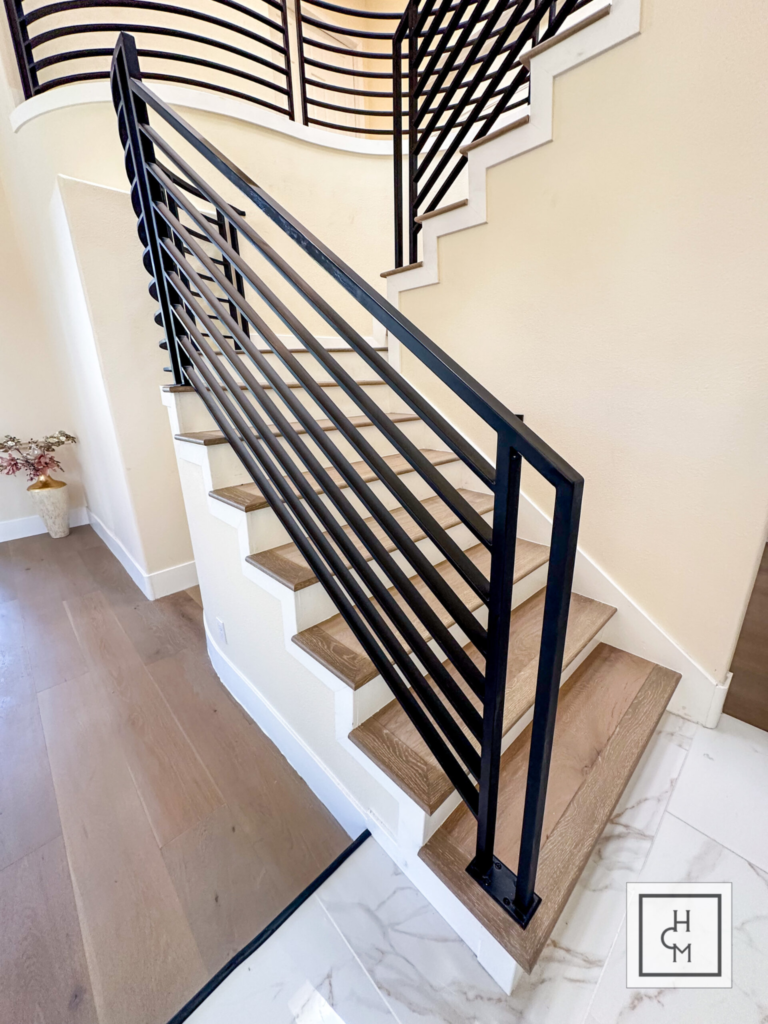
Structural engineers evaluate steel and wrought iron based on their load-bearing capacity, impact resistance, and long-term structural performance. Adding carbon or chromium to iron significantly changes its strength, durability, and overall performance.
For applications such as heavy Pedestrian Gate, selecting the right material is just as important as proper fabrication and protective finishes. The right combination ensures the gate withstands constant movement, daily use, and changing weather conditions. Protective coatings also help prevent corrosion around welds and other high-stress areas. Together, these features improve long-term performance while helping the gate operate safely and reliably.
Want to secure your structural investment with premium metals?
When heavy loads or bad weather make normal steel a bad choice, light metals offer great perks by cutting weight while staying safe.
When ordering outdoor boundaries like custom gates in Orange County, picking metals that take hot sun and beach dampness is key. Working with top metal shops ensures every beam, bar, and bracket fits the local air, boosting looks and giving long life.
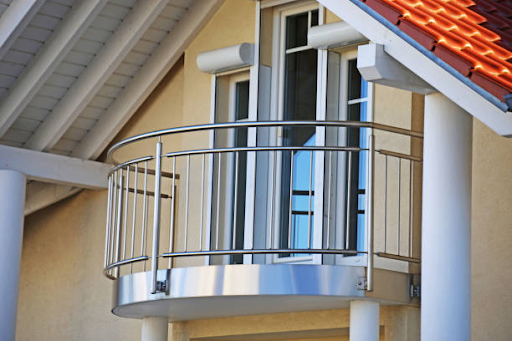
The strength and life of any metal railing for a balcony depend on clean shop work. Even fine stainless steel or titanium can fail early from bad cuts or heat warp. Poor welding during builds can ruin a project fast.
Choosing the right structural metal is the foundation of any great build. It comes down to yield and tensile strength. These metrics dictate how much weight a frame can support before bending or snapping. Smart weatherproofing ensures that strength lasts. The classic Steel vs. Iron debate highlights this balance. Modern steel offers supreme stiffness and load capacity. Wrought iron brings unmatched impact resistance and classic style. For custom metal gates and fences, lightweight metals like aluminum and titanium deliver high performance and natural durability. Every custom project deserves a tailored choice. We match specific material traits to the local climate and design. At Hand Crafted Metalworks, we back every build with over forty years of hands-on fabrication experience.
Ready to select the perfect high-strength metal for your upcoming build?
1. How do the strength and durability of steel compare to aluminum?
Evaluating Steel vs. Iron alongside aluminum highlights key differences in longevity. Steel requires protective coatings like galvanizing to prevent rust. Aluminum naturally generates an oxide layer that resists corrosion. Selecting the ideal alloy for outdoor environments requires analyzing local weather conditions. Hand Crafted Metalworks matches material traits to your climate to ensure lasting strength and defense.
2. Which structural metal is the most durable for long-term construction projects?
Stainless steel and titanium are the longest-lasting metals for building because they fight off rust. They excel at stopping chemical damage. Titanium lasts in rough sea air. Stainless steel offers low-cost life for home and commercial builds. To ensure long life against salty beach air and rain, Hand Crafted Metalworks uses top stainless steel and strong paint when making custom metal railings in Orange County.
3. What factors affect the strength of common structural metals?
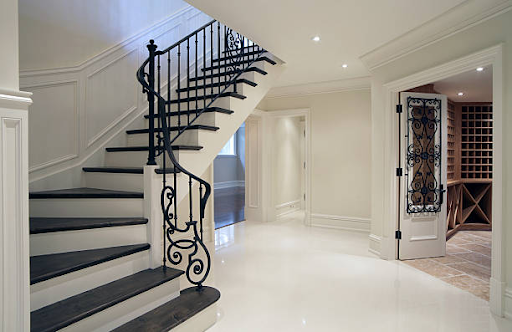
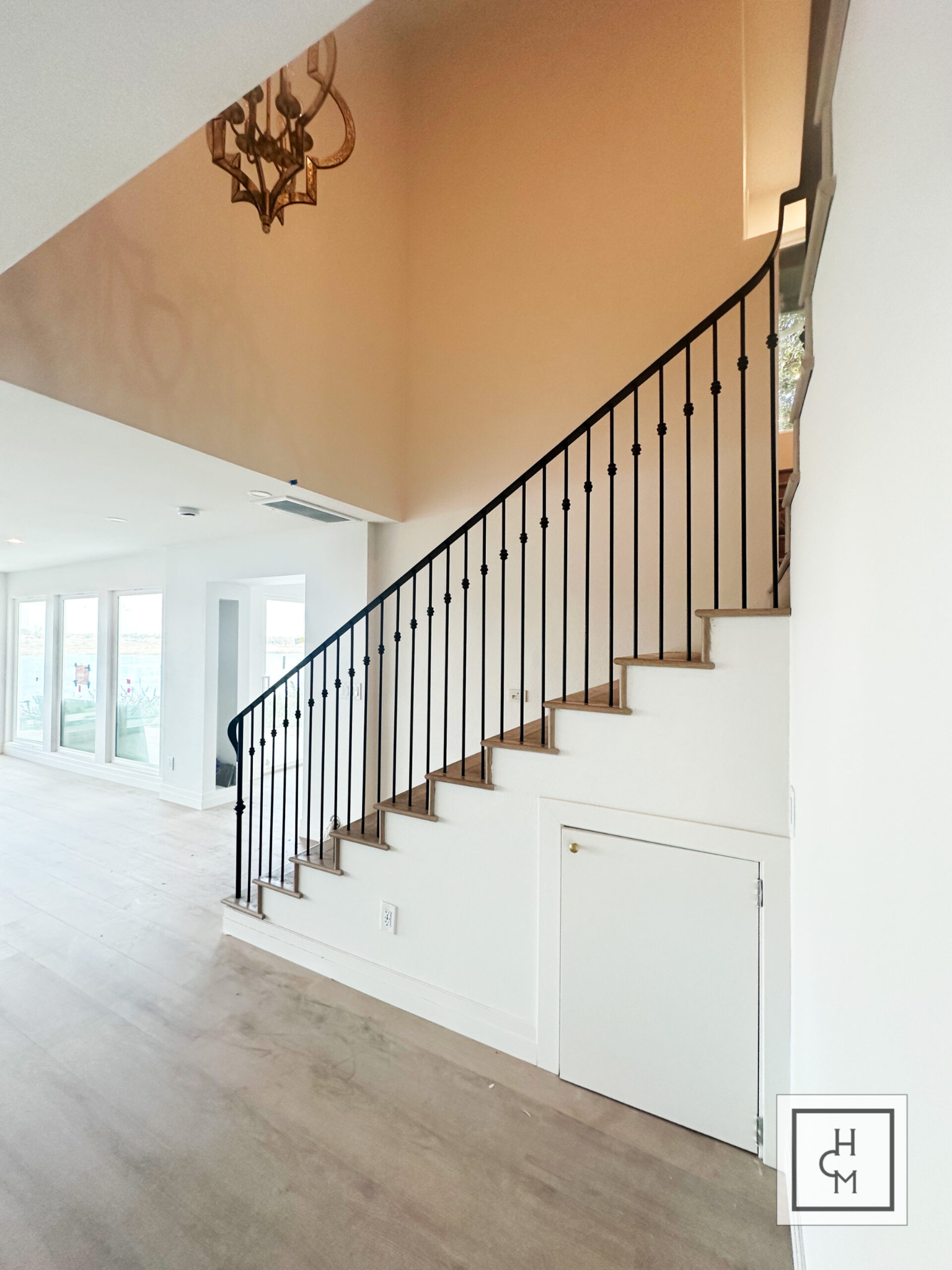
The raw strength of building metals depends on the mix of chemicals and alloys. It depends on heat treatments and shop work. Adding carbon and chromium to iron turns it into high-strength steel. Heat treating and cold work boost yield strength and hardness. When building a detailed custom stair rail, Hand Crafted Metalworks uses clean welds and controlled shop steps that keep the full strength of the metal alloy.
4. How does corrosion resistance impact the durability of structural metals?
Rust defense is the main factor for the life of outdoor metals hit by rain. It is key for stopping damage from oxygen and dirt. When a metal lacks rust defense or a good paint coat, rust eats the structure. This damage causes flaking, thin spots, and a drop in strength over time. Picking rust-proof alloys or using marine paint ensures outdoor parts like metal outdoor stair railings hold their weight without rotting away in the air.
5. Which structural metal is best for high-load and harsh environmental conditions?
For jobs combining heavy weight with bad weather, tough stainless steel and strong aluminum alloys are top choices. Stainless steel gives high pull strength and impact resistance to hold heavy loads. Its high chromium mix stops rust in wet or beach zones. When owners look for new metal railing ideas for tough outdoor areas, picking strong, rust-proof alloys ensures safety and a lasting look without constant repair work.