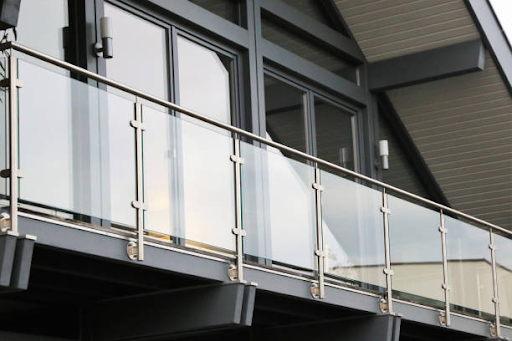
High platforms, catwalks, and mezzanines can create serious fall hazards in industrial facilities. Balancing effective fall protection with uninterrupted workflow requires careful planning and durable physical barriers. Installing industrial safety railings creates a reliable line of defense against falls while allowing workers to perform routine tasks without unnecessary interruptions. For commercial properties in Newport Beach, glass stair railings can also provide edge protection while maintaining open sightlines.
Hand Crafted Metalworks provides custom metal solutions designed for active work environments, helping improve worker safety without disrupting daily operations. This article explains practical ways to improve facility safety, choose durable barrier materials, meet applicable safety requirements, and complete upgrades while keeping essential operations running.
High platforms require multiple layers of protection to maintain safe working environments throughout elevated areas of a facility.
Physical barriers create defined safety zones that allow workers to move through elevated areas without repeatedly connecting to personal fall protection systems. Installing factory safety railings establishes clear boundaries around exposed edges, helping reduce fall hazards while supporting normal movement through the workspace. In areas where guardrail systems are appropriate, permanent barriers can provide continuous protection without requiring workers to make repeated connections during routine tasks.
In storage buildings, warehouse safety railings can help direct foot traffic away from drop-offs, loading areas, and moving equipment. Securing high-risk areas with industrial guardrails creates clearly defined boundaries that help workers navigate the facility safely. This approach can also reduce unnecessary interruptions to normal workflows while maintaining appropriate fall protection.
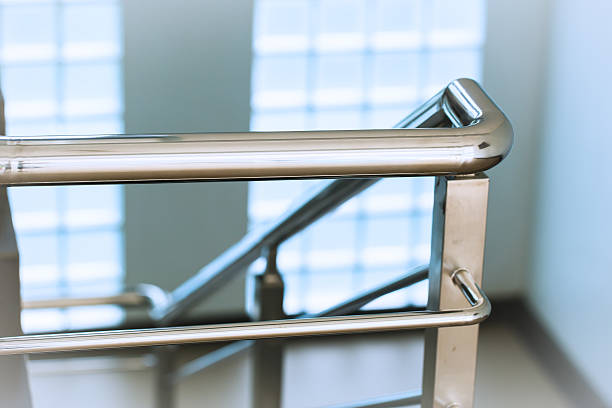
Choosing the right metal can affect how long a safety system lasts and how much maintenance it requires. Industrial facilities need durable materials that can withstand loads, moisture, and routine impacts from equipment. Custom fabrication allows businesses to select materials and finishes based on the conditions and requirements of each area.
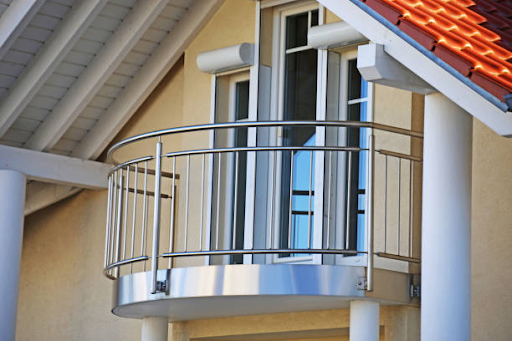
For commercial balconies and public-facing areas, custom metal railings can combine durability with a clean architectural appearance. Custom fabrication also allows railing systems to be designed around the dimensions and layout of each property.
Upgrading physical barriers does not necessarily require shutting down production or shipping operations. A phased installation plan allows crews to secure targeted areas while work continues in other parts of the facility. Pre-fabricating components off-site can also reduce installation time and minimize disruption on the main work floor.
Scheduling safety railing installation during planned maintenance windows can help minimize disruptions to production schedules. Facilities can also use modular industrial handrail systems that are designed for efficient installation, reducing the need for extensive on-site fabrication. Pre-planning layouts with a custom fabricator helps ensure that components arrive ready for installation and fit the intended space.
OSHA requirements for general industry guardrail systems address factors such as top-rail height, load resistance, intermediate members, and protection from falling objects. Specific requirements can vary depending on the type of workplace and application, so facilities should verify the standards that apply to their operations.
Installing properly designed OSHA-compliant safety railings can help facilities meet applicable federal fall-protection requirements and reduce the risk of costly safety violations. High-impact areas may require steel safety railings engineered to withstand the loads and forces associated with their specific application. Following these rules maintains safety code standing and protects workers across high job sites.
Ready to improve elevated platform safety before your next inspection?
Creating a safer workplace around elevated areas requires durable physical barriers designed for the demands of the environment. Quality industrial safety railings can help protect workers from fall hazards while supporting efficient movement throughout the facility. Hand Crafted Metalworks provides custom metal solutions designed around the layout, operating conditions, and safety requirements of each site. Contact the team to discuss industrial safety railings tailored to your facility and installation needs.
Elevated work areas may require guardrails, handrails, midrails, and toeboards, depending on the application and applicable safety requirements. Industrial safety railings provide a physical barrier along exposed edges, while toeboards can help prevent tools and materials from falling to lower levels. Properly designed systems should be selected and installed according to the conditions of the facility and applicable OSHA requirements.
Industrial guardrails create a continuous physical barrier around exposed edges, helping reduce the risk of falls from catwalks, mezzanines, platforms, and other elevated work areas. Unlike temporary controls that may require repeated adjustment, properly installed guardrail systems provide consistent protection while allowing workers to move through designated areas.
Steel and stainless steel are common choices for industrial safety railings because they can provide strength and durability in demanding environments. Aluminum may be appropriate where lower weight or corrosion resistance is a priority. The best material depends on factors such as loads, exposure conditions, facility layout, maintenance requirements, and the intended application.
Facilities can minimize downtime by using phased installation schedules, prefabricated components, and modular railing systems where appropriate. Scheduling safety railing installation during planned maintenance windows can reduce disruption, while completing the work in smaller sections may allow other areas of the facility to remain operational.
OSHA requirements for guardrail systems address factors such as top-rail height, load resistance, intermediate members, and falling-object protection. The specific requirements depend on the type of workplace and application, so facility owners should confirm which OSHA standards apply to their operations before designing or installing a system.