Choosing the right metal for building parts involves looking at material expenses, lifespan, and looks for homes or businesses. This guide gives a quick look at material prices, metal mixes, and long-term value to help clients make smart choices. Hand Crafted Metalworks offers expert metal shaping services across Southern California, making sure every build fits exact sizes. Property owners look at material costs when planning projects like driveway gate setups or secure side gates for houses.
What Is the Price Difference Between Bronze vs. Brass?
Knowing how these copper mixes differ in price helps buyers manage project money for custom stringer parts and building pieces. Checking metal choices early stops extra costs during the build phase. Comparing these distinct alloy options guarantees proper budget allocation from initial planning through final installation, preventing unexpected financial surprises during active construction periods. Careful material planning secures long-term structural value for custom architectural builds. Selecting appropriate components protects total project investments from unplanned market fluctuations.
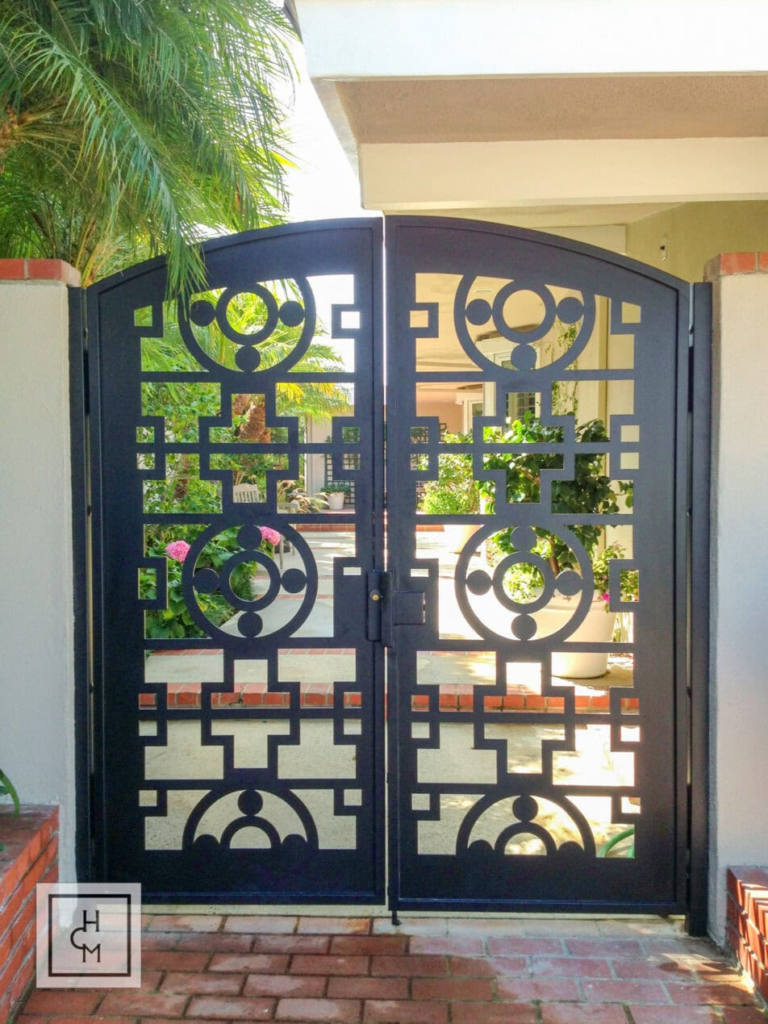
Ready to compare custom architectural metals for your next property upgrade?
Raw metal pricing depends a lot on the exact amounts of copper, zinc, and tin mixed inside. Tinned metal mixes need more factory work, making them a top choice for architectural jobs. Buyers paying for fancy parts check metal pricing before finishing designs for a fancy staircase or building industrial safety railings. Market demand changes also play a big role in setting total costs for builders and metal workers. Supply chain shifts change how shops price custom architectural builds.
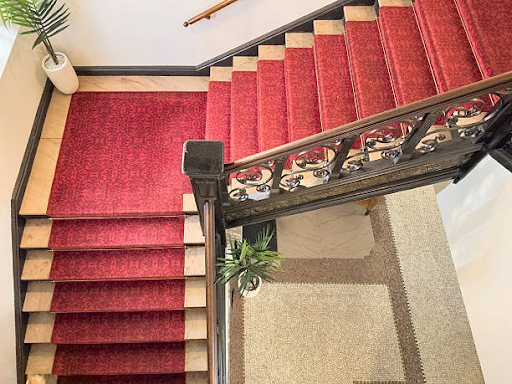
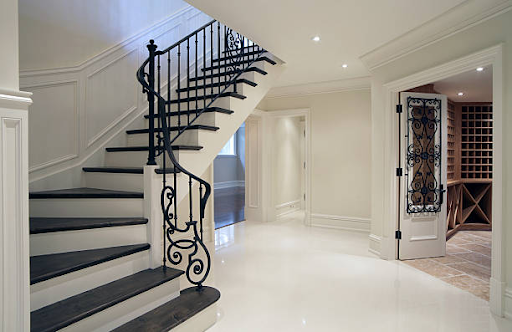
Metal blending sets the base cost before work starts in the shop. Brass mostly mixes copper and zinc, which keeps raw material costs low for standard fabrication. Bronze usually mixes copper with tin or other elements, giving it more strength and a higher price tag. Workers use these different traits when building a custom stair rail or putting together strong metal stair railing designs for indoor spaces. Knowing metal differences makes sure money goes to the right building metal parts.
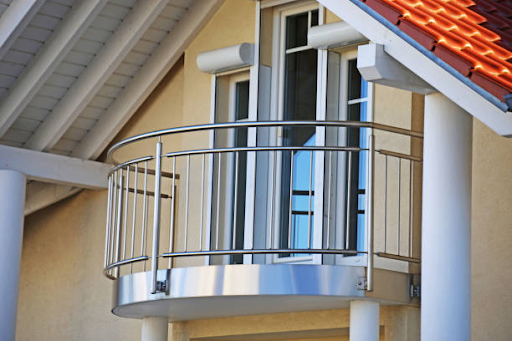
Upfront material costs do not show the full story on project life and repair needs. Higher-priced metals give better rust protection in tough outdoor spots, cutting down future upkeep work. Property owners wanting lasting value pick top metals when putting in glass railings for a balcony or a sleek metal balcony rails system on beach properties. Buying strong metals protects building parts from early weather wear.
Shaping and welding different copper metals needs special skills that change total project labor bills. Working with tougher mixes takes heavy tools and exact heat control inside the metal shop. Workers use these advanced steps when building custom handrails or making building parts for a modern glass balcony railings setup. Skilled labor adds different costs to the overall pricing of custom metal projects.
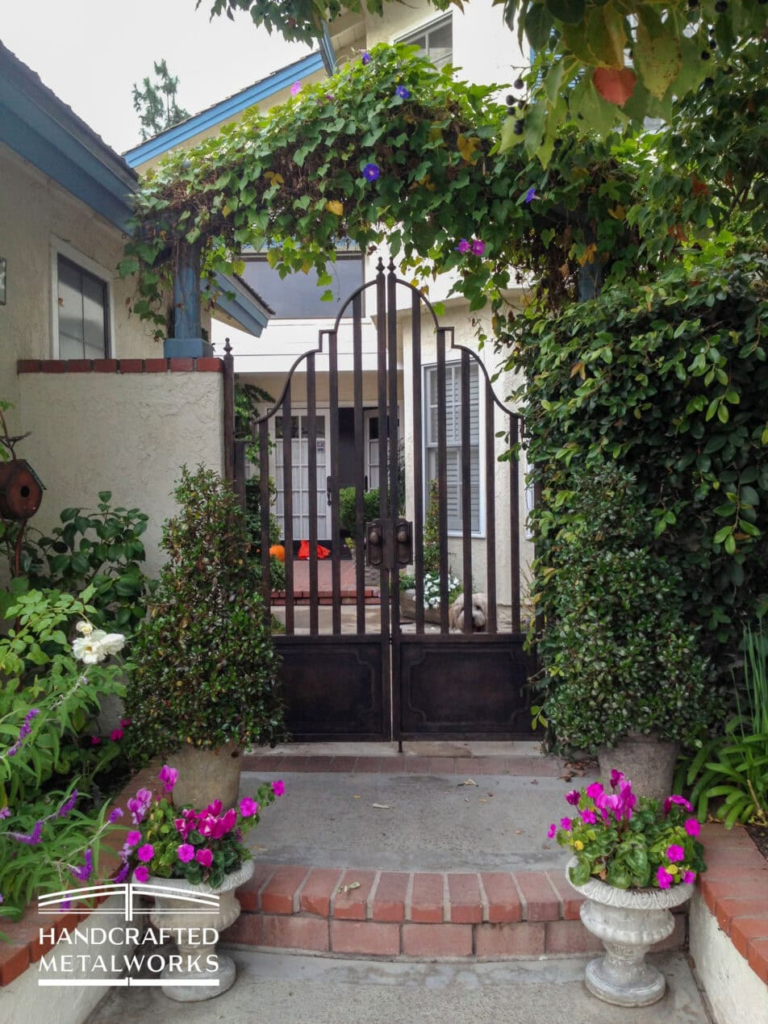
Local shipping plays a big part in keeping custom builds inside target budget limits and includes:
Do you need durable metal features designed for your building requirements?
Local market conditions and regional shipping fees change the final cost of getting raw metal supplies. Buying metals through local suppliers helps cut shipping costs for big building projects. Contractors working locally use set supplier networks to get good pricing for big ornamental iron railings and commercial builds across Orange County ironworks areas.
1. How do bronze and brass compare in terms of cost?
Bronze demands higher expenditures than brass because tin content and hardening additives increase production expenses significantly. At Hand Crafted Metalworks, our fabrication experts evaluate specific architectural requirements to help property developers select the most cost-effective Bronze vs. Brass options for custom building designs. Careful financial planning ensures every client secures optimal value for their investment.
2. Why is bronze typically more expensive than brass?
Manufacturing processes require precise metallurgical controls and costly raw components that drive up market values. Artisans blend high-priced tin into copper mixes to achieve superior strength, creating a premium material tier that exceeds standard brass pricing structures for architectural custom handrails. Proper material selection avoids unexpected financial burdens during active building phases.
3. Which is more cost-effective for long-term use, bronze or brass?
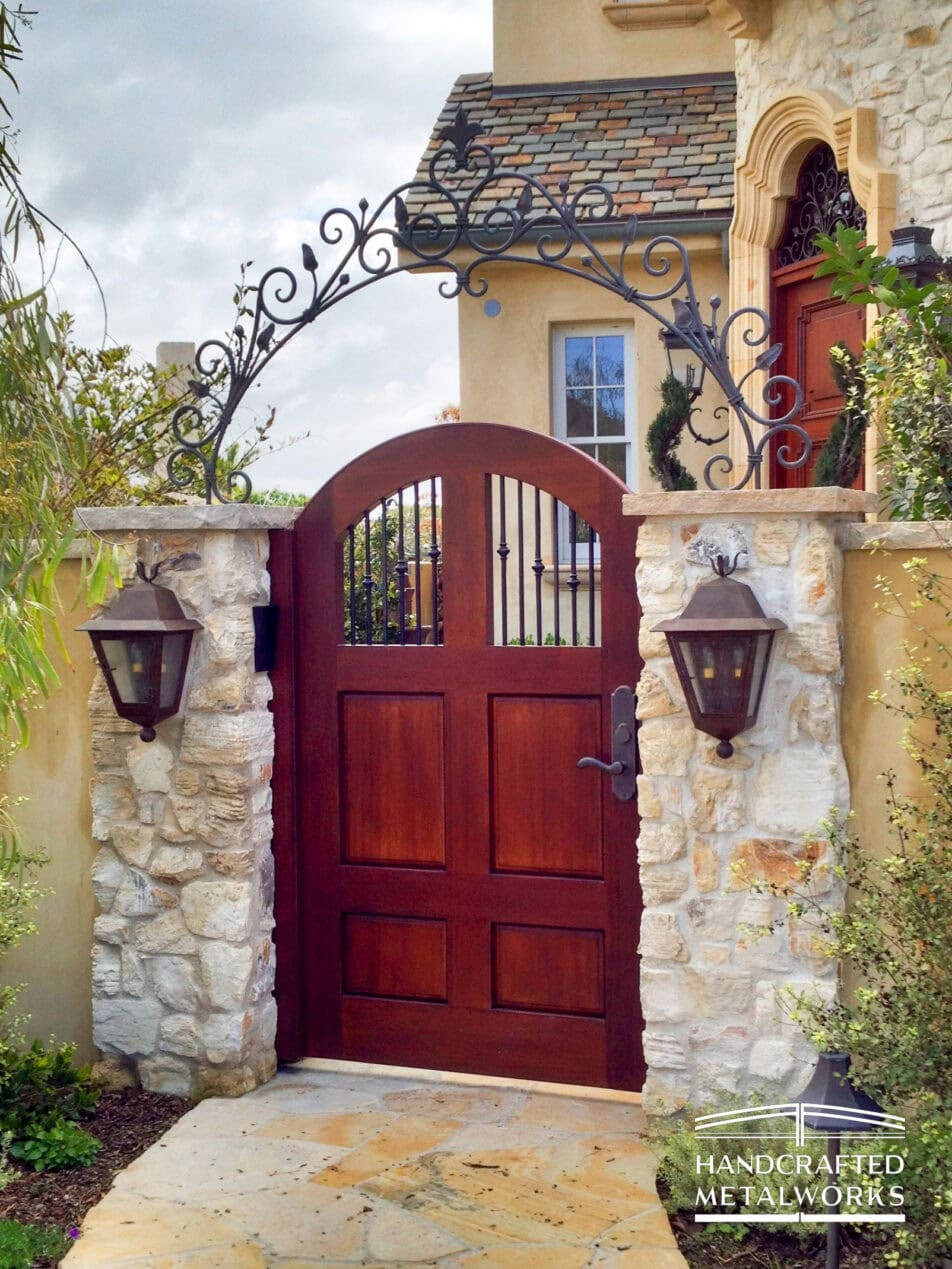
Both alloys deliver exceptional durability against environmental wear, but specific exterior exposures dictate the best financial choice. Hand Crafted Metalworks guides builders toward resilient solutions like a sturdy driveway gate to maximize long-term structural value without unnecessary repairs. Selecting durable components protects property investments across decades of continuous exposure.
4. Does the price difference between bronze and brass affect their performance?
Material valuations reflect distinct mechanical traits, including tensile strength limits and corrosion resistance capabilities. Higher-priced compositions withstand aggressive coastal elements effectively, offering enhanced load-bearing security for any modern glass railings for balcony project. Superior structural integrity justifies the increased initial acquisition expenditure.
5. What factors influence the cost of bronze and brass materials?
Global market demands, raw alloy ratios, and specialized workshop labor shape final project estimates. At Hand Crafted Metalworks, precise fabrication ensures every metalwork installation meets strict quality standards while respecting established project budgets. Comprehensive oversight guarantees total satisfaction from initial design through final placement.