When you walk through a modern home project today, one detail keeps appearing: ornamental iron railings. So why the sudden comeback? Simple answer, people want railings that look strong, last long, and feel custom. Clean glass feels cold, plain wood feels ordinary, but iron brings character back into space.
Homeowners now choose metal ornamental railings because style matters again. Builders love the durability, designers love the flexibility, and a simple staircase suddenly becomes a design feature. Search trends even show more people typing ornamental iron railing near me when planning renovations. This shift reflects changing homeowner preferences; iron railings are no longer just traditional pieces. Modern homes, offices, and restaurants now use them as bold architectural details.
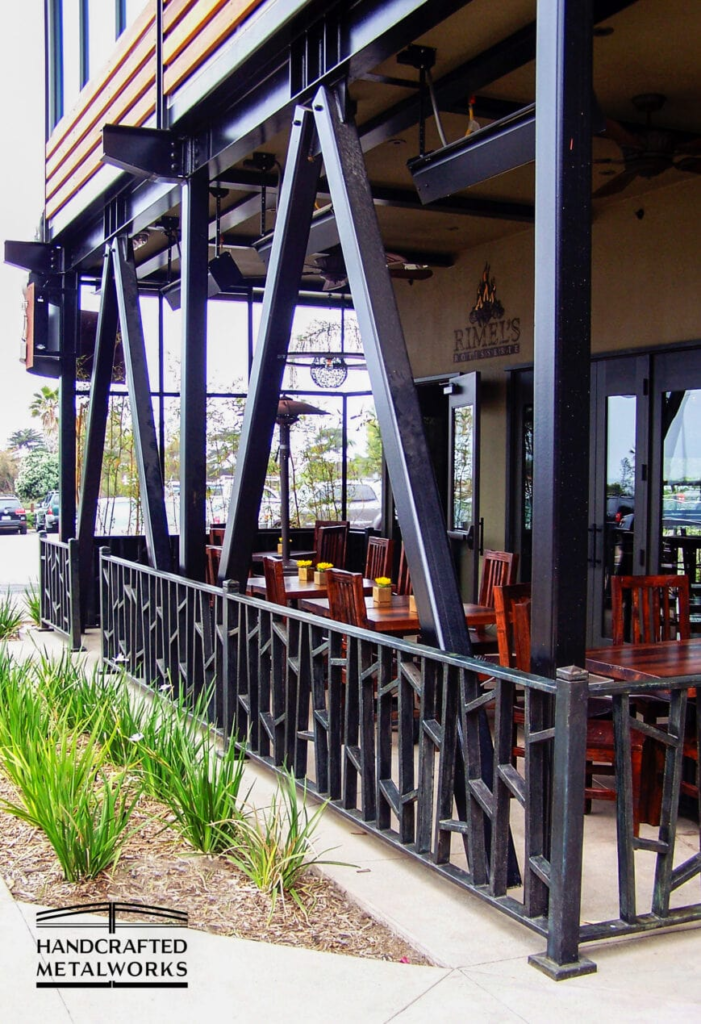
Minimal design ruled homes for years. White walls. Simple rails. Smooth surfaces everywhere. In contrast, design trends now lean toward texture and personality. People want spaces that feel crafted instead of manufactured.
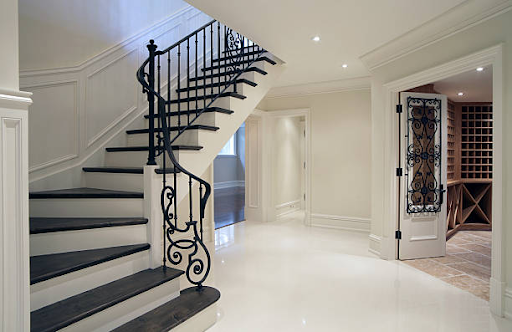
That change brings back architectural railings with visible craftsmanship. Iron scrolls, curves, and geometric patterns create depth. Even a straight iron railing adds visual weight.
Designers often use iron railings to frame spaces. Staircases gain definition. Balconies gain structure. Entryways suddenly look intentional instead of plain. The result feels balanced. Modern design stays clean. Iron details add warmth and character.
Style matters, yet durability drives many decisions. Iron railings easily outperform several modern materials. Wood expands and cracks over time. Glass needs constant cleaning. Aluminum bends under pressure in some settings.
Iron remains strong for decades with proper finishing. That strength makes commercial metal railings a popular choice in busy spaces. Restaurants, offices, and apartment buildings need railings that handle daily traffic.
Iron also resists structural movement better than lighter materials. Builders appreciate that reliability. Property owners appreciate fewer replacements.
Another reason for the comeback involves customization. Mass-produced railings feel generic in custom homes. Iron changes that story completely. Skilled fabricators create patterns, curves, and shapes tailored to each project.
That flexibility makes custom ironwork attractive to homeowners and designers. Some choose traditional scrollwork. Others choose sharp geometric bars. Iron works with many architectural styles. Modern lofts use minimal iron lines. Farmhouse homes add soft curves. Luxury homes mix metal with wood accents. Each project feels unique because iron allows full design customization.
Many homes now treat staircases as design highlights instead of hidden structures. Open staircases expose railings from multiple angles. That visibility pushes homeowners toward stronger design materials.
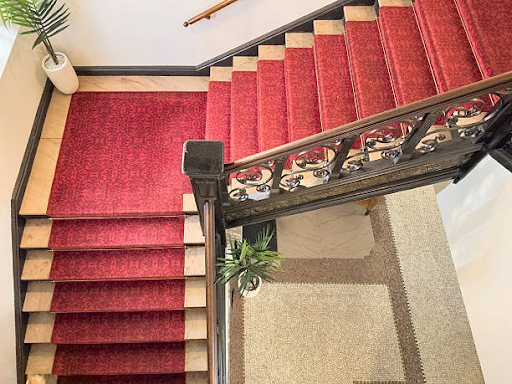
A well-designed ornamental iron railing transforms a staircase into a focal point. Lines guide the eye upward. Shadows create subtle patterns across walls. Designers also combine iron with wood treads or stone steps. The contrast creates a balanced, high-end look. Small design choices here dramatically influence how a home feels.
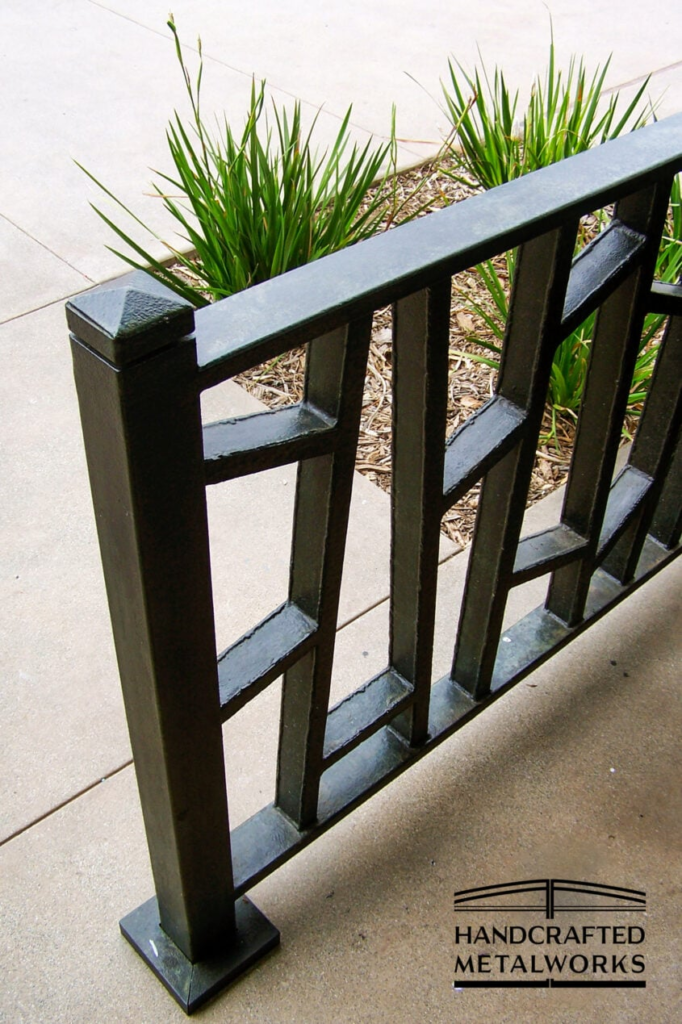
Outdoor living spaces have expanded dramatically. Decks, patios, and balconies now function like extended living rooms. Those spaces require safe yet stylish railings. Iron handles weather exposure better than many alternatives.
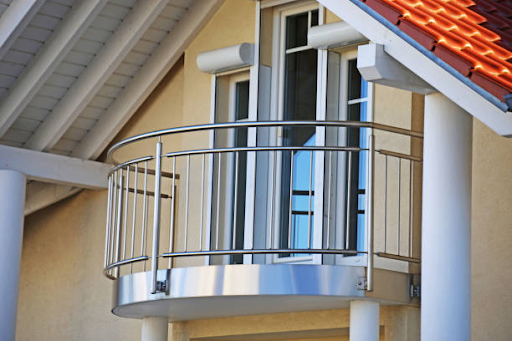
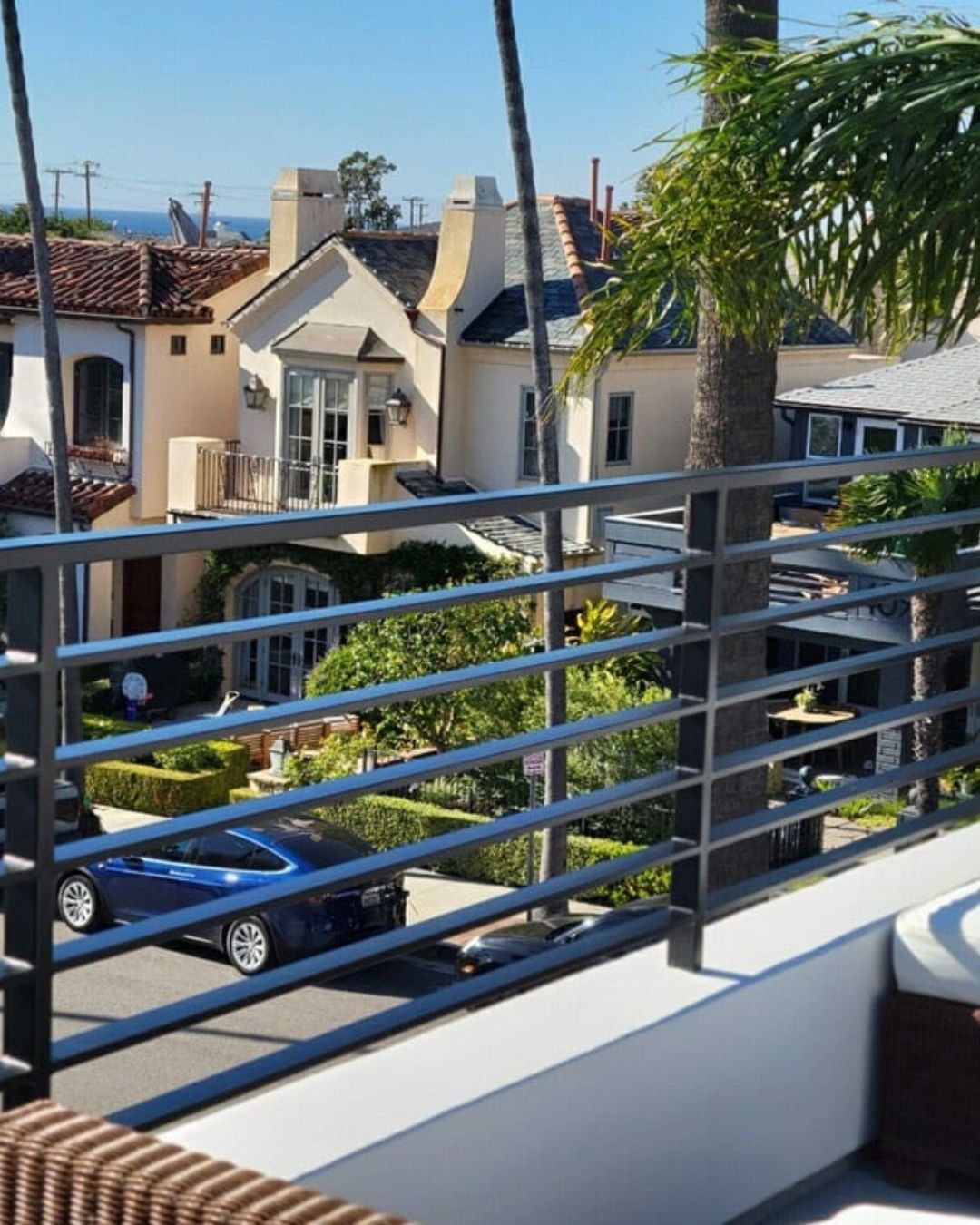
That durability explains the rising demand for ornamental iron deck railing in modern homes. Iron rails frame outdoor views without blocking them completely. Many homeowners also prefer iron because it matches gates, fences, and outdoor lighting fixtures. The whole exterior design feels coordinated.
Beautiful railings still serve a safety purpose first. Strong rails prevent falls and protect elevated areas. Iron excels in this role. Thick bars and welded joints create solid support.
Designers often recommend metal guardrails for elevated decks, commercial stairs, and balconies. Iron supports weight and resists bending better than lighter materials. Safety codes also favor strong materials for high-traffic locations. Iron railings meet those requirements while maintaining visual appeal.
Versatility drives the continued comeback. Iron railings work across many building types. Restaurants use decorative iron rails around patios. Office buildings add iron balcony rails. Apartment complexes install iron stair rails for longevity.
That flexibility explains the demand for Architectural ironwork in modern construction. Iron pieces can appear delicate or bold depending on the design. The same material fits a luxury home staircase or a downtown café balcony. Few materials offer that range.
Design alone never guarantees a great railing system. Skilled fabrication and installation make the difference. Experienced Stair and Railing Contractors understand structural rules, spacing requirements, and finishing techniques.
Professional work ensures railings remain straight, stable, and safe. Clean welds and proper coatings protect iron from corrosion. A well-installed railing becomes both a safety feature and a design statement.
Iron railings are returning for a simple reason. Modern spaces need both strength and character. Homeowners want details that feel crafted rather than manufactured. Designers seek materials that enhance a room visually, while builders prioritize durability that lasts decades.
That combination explains the rising interest in ornamental wrought iron railings and custom stair systems. Even a simple search for ornamental iron railing near me reveals how quickly demand is growing. Quality fabrication still makes the biggest difference. Skilled teams like Hand Crafted Metalworks help transform raw iron into railings that elevate homes and commercial spaces. The comeback of iron railings reflects a clear design trend. Functional pieces can also become powerful design features.
Upgrade Your Railings with Timeless Iron Design
Why do homeowners choose ornamental iron railings again?
Homeowners want strong railings with a unique visual style today. Ornamental iron railings offer durability and custom design flexibility. Iron patterns add character to staircases, balconies, and entryways. Designers enjoy shaping lines that complement modern architecture. Homeowners appreciate a long lifespan and minimal structural issues. Quality iron railings create both safety and visual appeal.
Where can custom iron railings work inside a home?
Custom railings work well on staircases and balconies. Metal ornamental railings often frame entry stairs and loft edges. Kitchens and open living areas also benefit from decorative railing lines. Skilled shops like Hand Crafted Metalworks shape designs that match interior style. Custom patterns help homeowners create a space that feels intentional and distinctive.
Are iron railings suitable for commercial buildings?
Commercial spaces require durable railing systems with visual strength. Commercial metal railings handle heavy daily traffic without structural weakness. Restaurants, offices, and apartments benefit from iron durability. Proper coating protects surfaces from wear and weather exposure. Hand Crafted Metalworks designs railings that follow building codes while supporting architectural identity.
How do professionals design decorative iron railing systems?
Professional teams start by studying building structure and style. Custom ironwork begins with sketches that match architectural lines. Fabricators then shape iron pieces using precise tools and welding techniques. Hand Crafted Metalworks focuses on the balance between safety and aesthetics. Finished railings provide structural stability while enhancing the overall visual design.