If you live in Orange County and you’re planning to add or upgrade railings, building codes are not just boring rules on paper. They actually shape how your railings look, how tall they are, how far apart the bars sit, and even what materials you can safely use. Many homeowners search for stair railings Orange County CA styles online, but what they don’t realize is that design freedom always runs into safety laws. And that’s not a bad thing. Codes exist so people don’t fall, slip, or get hurt. Good design happens when creativity and compliance work together, not against each other.
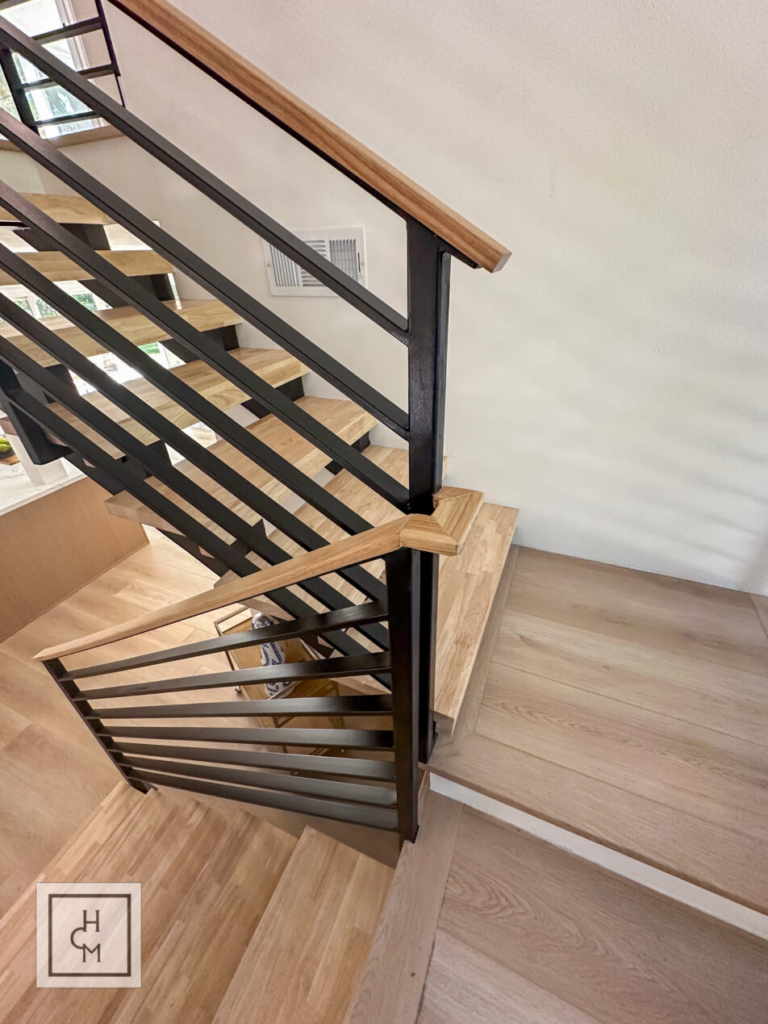
A lot of people think codes are just government red tape. Truth is, they are mostly about safety. Stairs are one of the top places where home accidents happen. A missing rail or the wrong height can lead to serious injuries.
Codes tell you:
So when you see a sleek railing design online, remember, it still has to pass inspection. Looking cool is not enough. It has to be safe too.
One of the biggest design impacts comes from height rules. In most Orange County homes, stair railings must be around 34–38 inches high. That might not sound like a design issue, but it is.
You can’t just go ultra-low for a “modern” look. It won’t pass. Designers work around this by using thinner metal, glass panels, or open styles so the railing doesn’t feel bulky. The rule stays. The creativity shifts.
This one surprises people. The gap between vertical bars usually can’t exceed 4 inches. Why? Child safety. A kid shouldn’t be able to slip through.
That spacing changes aesthetics a lot. Wide gaps look modern but often fail code. So fabricators play with shapes, patterns, or horizontal designs instead of widening the gap.
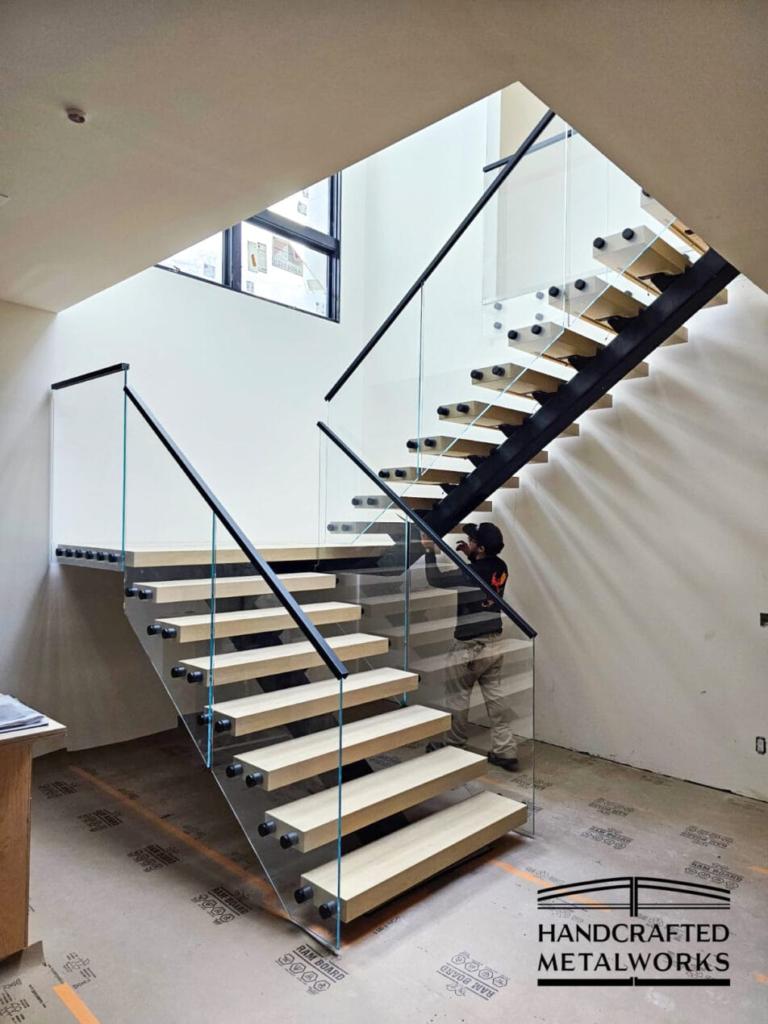
Not sure if your railing design will pass inspection?
[Get a Free Railing Consultation]
You might love wood. Or glass. Or wrought iron. But building codes also care about durability and strength. Railings must handle force without bending or breaking.
Metal often wins here because:
Wood works too, but it needs proper thickness and reinforcement. Thin decorative wood rails? Usually not code-friendly.
Exterior stairs get more scrutiny. Weather changes everything. Sun, rain, rust, and moisture all affect safety.
Railings outside often need:
This is where metal fabrication shops really shine. They design with the climate in mind, not just the blueprint.
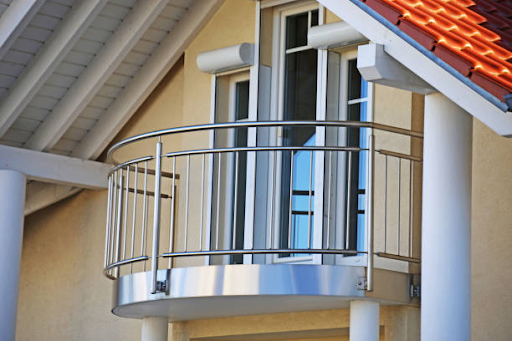
Modern doesn’t mean illegal. It just means smarter design. Today’s railing trends often mix slim metal frames with glass or cable systems. These styles look open and airy while still meeting spacing and height laws.
Homeowners who search for stair railings in Orange County CA usually want minimal and clean. The trick is balancing that desire with inspection approval. A good fabricator knows the difference between “stylish” and “won’t pass.”
Stair railings often connect with entry points, balconies, or side passages. That’s where a Pedestrian Gate becomes part of the conversation. Codes don’t only cover stairs; they cover transitions, too.
If your railing ends near a walkway, inspectors may look at latch height, swing direction, and clearance space. It’s all connected. One weak point can fail the whole setup.
DIY railings sound fun until inspections start. Measurements must be exact. Anchors must hold real weight. And codes update more often than people think.
Professional fabricators:
Skipping expertise usually costs more in the long run.
At Crafted Metal Works, we don’t see building codes as obstacles. We see them as design boundaries that push creativity. Our goal is simple: build railings that look sharp and pass inspection the first time. We perform precise measurements and conduct internal production, while our installation process focuses on creating safe systems that will last for extended periods. Our design approach creates indoor staircases and outdoor metal structures that match the actual conditions of Orange County residential environments. No shortcuts. Just solid craftsmanship that lasts.
Building codes aren’t there to kill creativity. They guide it. The best railing designs in Orange County are the ones that look good and meet safety rules without drama. The project requires you to use the same design principle that combines beauty with functionality for a Pedestrian Gate. When you plan ahead and work with professionals, you avoid rework, delays, and failed inspections. Good design extends beyond its visible elements to include all its aspects. It’s what quietly keeps people safe every single day.
Ready to upgrade your stairs with a safe, custom metal railing?
[Request a Quote from Crafted Metal Works]
1. Does Hand Crafted Metalworks handle stair railings Orange County CA code compliance?
Yes. At Hand Crafted Metalworks, we design and install stair railings in Orange County CA that follow local building regulations. We measure on-site, use approved materials, and ensure the finished railing passes inspection. This saves homeowners time and costly revisions later.
2. What is the standard railing height in Orange County?
Most residential stair railings must be between 34 and 38 inches high. Exact height can vary depending on stair type and location, but falling outside this range usually fails inspection.
3. Can modern glass railings still meet safety codes?
Absolutely. Glass railings can pass as long as the panels are tempered, properly anchored, and meet spacing and load requirements. It’s all about correct installation, not just appearance.
4. Do outdoor stair railings need special treatment?
Yes. Exterior railings often need weather-resistant coatings, stronger anchors, and rust-proof materials. Outdoor exposure changes durability needs, so material choice matters more.