Most people don’t think much about stair railings until they’re standing there trying to choose one. But once you start the process, you realize an interior metal stair railing isn’t just hardware. It becomes a part of the home’s architecture, the way you move through the space, and the way light and shadow play inside your house. The wrong choice sticks out. The right one blends in so naturally, you can’t imagine the space without it.
At Hand Crafted Metalworks, we’ve seen homeowners walk in excited, overwhelmed, confused, and everything in between. Installing a new railing isn’t something you do often, so the details matter. A good railing should look intentional. It should feel secure the first time your hand grips it. It should hold its shape and character for years. If you’ve never installed one before, there are a few things you should know to make the process smoother and the final result stronger.

Before we start any design or fabrication work, we hear questions like:
Those questions shape everything that follows.
Installing a stair railing isn’t just a weekend project. It’s a structural feature that needs the right design, materials, and craftsmanship. When homeowners come to us, they want something safe, attractive, and long-lasting. Here’s what usually guides the decision-making process.
We all love a good trend, but your railing has to work with your existing architecture. Does your home lean clean and contemporary, or more classic and warm? Does it have angular lines or soft curves? These elements shape the look of your interior metal stair railing, and ignoring them leads to pieces that look disconnected.
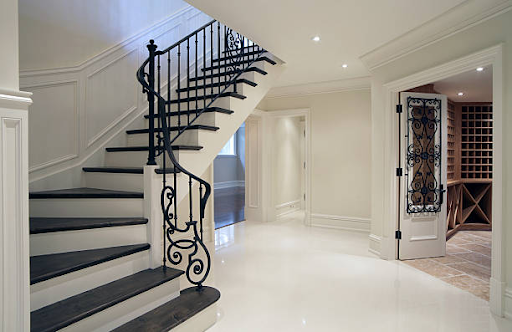
We always look at the house before we suggest anything. Some spaces want thin, minimal lines. Others want heavier, sculpted metalwork. And then there are homes that benefit from the clean, crafted detail of Custom Stair Rails because they add character without overwhelming the room.
Most interior projects fall into one of these categories:
Each option changes the way the railing feels and performs. When people look for modern interior stair railings, they usually lean toward steel or aluminum because of the clean edges and smooth finishes. But for decorative scrollwork, heavier textures, or artistic focal points, custom ironwork delivers in ways prefab materials never can.
We’ve seen it too many times. Someone finds a railing style on a website, gets attached, then learns it doesn’t fit their stair layout or meet code. Height, angle, spacing, landing size, and mounting points all matter. And if you're planning Custom Stair Rails, accurate measurements shape the entire build.
A few quick rules we always follow:
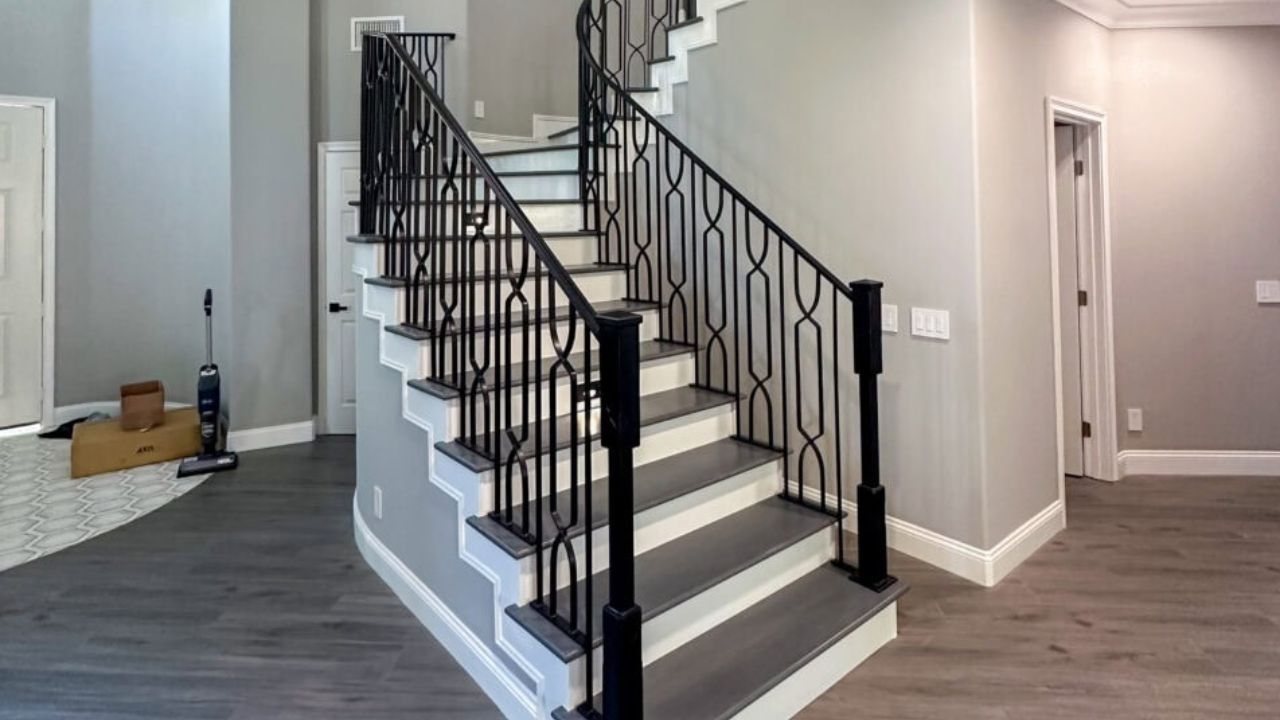
Metal railings can either open a space or close it. Thin lines open. Heavy posts anchor. Solid panels create separation. When we design modern interior stair railings, we’re thinking about how the eye moves through the room. You never want a railing that blocks natural light or cuts your living area into strange visual sections.
If your home leans toward an open concept, we guide you toward slender, minimal lines. If your home needs a stronger statement piece, we explore patterns or bold shapes that lift the architecture.
Interior railings don’t face the weather, but they still need care. Different finishes mean different upkeep:
We’re honest about maintenance. Modern designs are beautiful, but low-maintenance finishes keep people happier long-term.
When you step into the world of custom fabrication, the rules shift. You’re not choosing from a catalog anymore. You’re shaping a piece of the home.
Every home has quirks. Walls curve. Floors slope. Stair angles vary. Custom Stair Rails solve these problems because they’re built to respond to your home’s specific measurements.
Homeowners who want something unique gravitate toward custom work because no other house will have the same railing. A subtle curve, a forged detail, a patterned panel, it all makes the space feel intentional.
Custom railings are built for decades of use, not just a visual upgrade. Metal thickness, weld quality, and finishing techniques all matter more than most people realize.
We involve homeowners in design, measurements, and finish selection. That collaboration often leads to railings that feel more personal and more aligned with the home’s story.
You don’t have to learn these the hard way. We’ve seen them enough for everyone.
Pinterest inspiration is great, but the space should drive the design. Always.
Stair safety codes aren’t suggestions. They’re requirements. We design around them from day one.
A beautiful railing that wobbles isn’t a win. We prioritize structure first, aesthetics second.
Metal railings require precision. Angles, welds, mount points, none of it forgives guesswork. Professional installation protects both safety and appearance.
Your railing shouldn’t look like it was dropped into the home from another planet. It should complement the surrounding design.
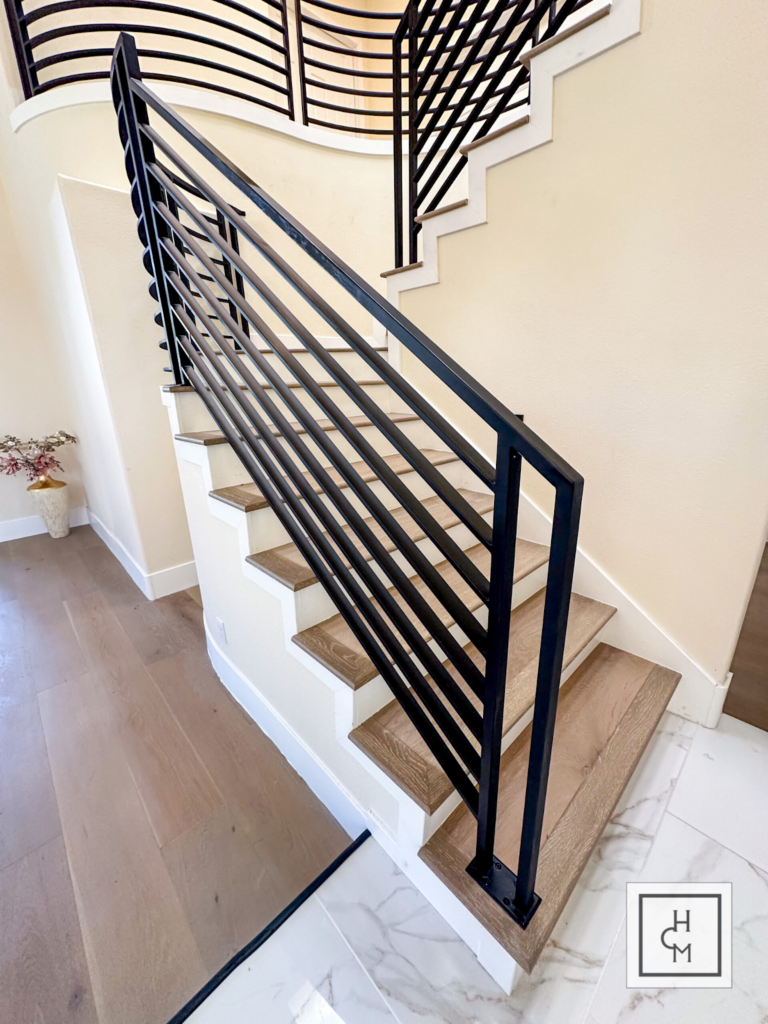
Metal railings continue rising in popularity because they offer things other materials can’t.
Whether you want something subtle or bold, metal adapts. That’s why interior metal stair railing styles hold up well even as trends evolve.
If you're exploring modern interior stair railings and want something built with intention, we’d love to work with you. At Hand Crafted Metalworks, we don’t rush designs.
We build railings that match your architecture, your lifestyle, and your long-term vision for your home. Tell us what you’re imagining, and we’ll help you bring it to life.
Visit our website today before its too late!
How to install interior metal railing?
Professionals measure, fabricate, fit, and secure railings to ensure stability and code compliance.
What are common stair design mistakes?
Ignoring codes, picking designs that fight architecture, and choosing poor materials.
What is the trend in railing in 2026?
Slim metal lines, geometric patterns, and clean Custom Stair Rails are leading.
What can I use instead of a railing?
Half walls, glass panels, or partitions, though railings offer better safety.
What is an indoor railing called?
It’s typically referred to as an interior stair railing or handrail.