If you’ve ever climbed a staircase and grabbed a wobbly railing, you know the feeling. That sudden “whoa” moment. Your stomach drops. You lose trust instantly. A good stair railing should feel solid. Look clean. Blend into the space like it was always meant to be there. But getting there is not automatic. A lot of homeowners and even some installers run into problems they never saw coming.
If you’re in the middle of planning or updating stair railings in Orange County, here are the most common mistakes people make and the simple ways to avoid them.
Everyone wants their home to look good. That’s fair. But with stair railings, too many people grab the cool-looking design before they think about what’s actually safe or legal. Not every railing style works for every staircase. Some designs look incredible in photos. Picture-perfect. But they don’t meet code, aren’t secure enough, or just fight against the slope of your stairs. Looks great. Functions badly.
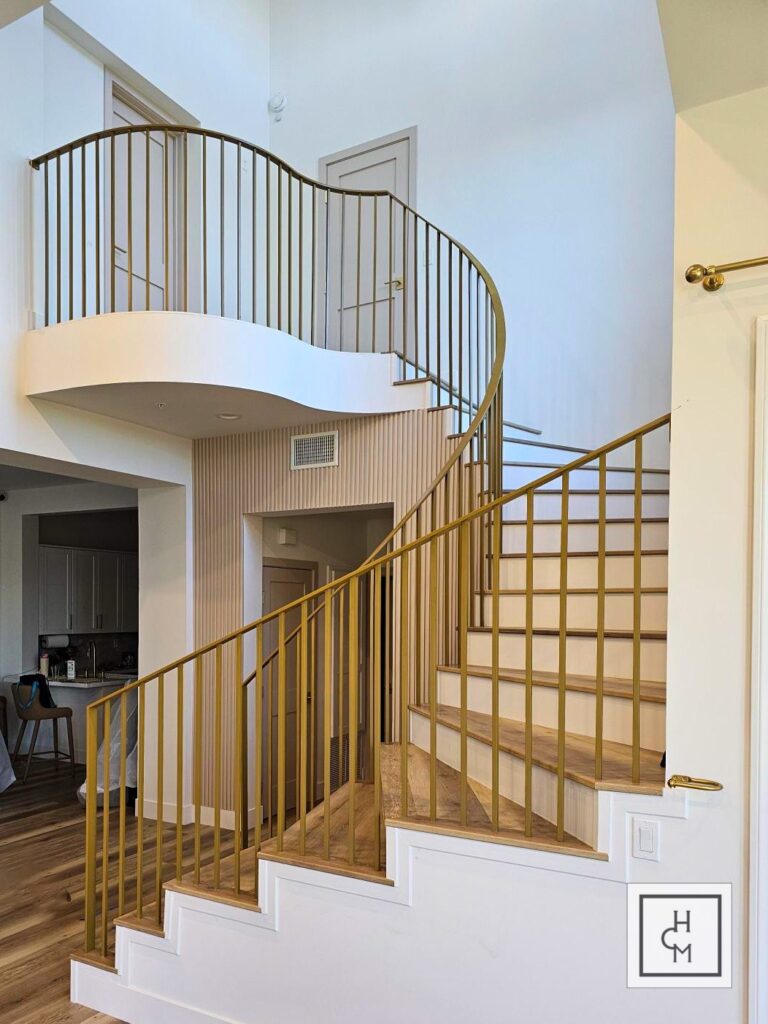
Start with the function. Make sure your railing can support weight, stay firm, and meet local code requirements. Once the core structure is right, then dial in the style. If you’re working with stair and railing contractors, ask them to explain where aesthetics end and safety begins. A good contractor will tell you straight and walk you through the real details.
Building codes aren’t suggestions. They exist because stairs are one of the most accident-prone areas in a home or building. Still, plenty of people ignore them or assume the installer will just “handle it.”
The problem? Not every installer knows the specifics for your city or county, and not every DIY fix falls within legal guidelines.
Before you start the project, look up the stair railing requirements for your area or hire a contractor who already knows them inside out. Quick research saves big headaches. In places like Orange County, inspectors take railing compliance seriously. Really seriously. You do not want to pay twice because someone rushed the job or cut corners the first time.
Metal stair railings, wood railings, cable railings, and glass panels. The possibilities are limitless, and one can get lost.
Then comes the common mistake: the material is selected by the people after seeing a picture or due to a trend, not based on lifespan or care, but on the space within which it will be situated. What seemed good at the time may unravel very quickly in reality.
Here’s the truth: some materials look clean on day one but age badly, especially near the coast, where moisture and salt never take a day off. Others demand more upkeep than most homeowners ever expect. Shiny at first, annoying later.
Focus on the long game. Forget the first-day shine. Metal stair railings last. Strong, tough, built for real life and coastal climates. Not sure what works? Grab samples, test them in your space. A little effort now saves a lot of frustration later.
There are DIY projects that make sense. Painting a room and installing shelves. Maybe even building a garden bed. Stair railings do not fall into that category.
People underestimate the angles, alignment, and structural support required. A railing can look fine on the surface, but be one weak screw away from a major accident.
Bring in stair and railing contractors who actually specialize in this work. A handyperson might be great at a hundred other tasks, but railing installation needs precision. If the structure isn’t anchored correctly, the whole staircase becomes unsafe.
A stair railing is not just a railing. It’s a visual line that cuts through your home. It affects how open, modern, traditional, or tight a space feels. People sometimes pick something that technically works but clashes with the architecture around it.
The railing may be too bulky. Maybe it’s too light. Maybe the color doesn’t match anything else in the house. The result is a staircase that feels out of place.
Look at your entire space. Take a real pause and study it. Are your style choices more modern or classic? Do you lean heavily on wood, metal, or clean neutral tones? A railing is supposed to work with the house, not against it. When you see your contractor, bring photos, paint colors, and inspiration pictures. It makes the whole process more efficient and the outcomes a lot closer to what you actually want.
This may sound insignificant, but it is one of those things that you realize every day after the railing has been put up. Certain handrails feel uncomfortable, heavy, too sharp, or too thin. Homeowners don’t think about it until it’s already mounted.
Before installation, physically hold different handrail profiles. Run your hand along them. Make sure it feels natural and solid. A railing is something you interact with constantly, so comfort matters more than you think.
Even the best railing needs upkeep. Metal needs occasional cleaning. Wood needs refinishing. Cable railings need tension checks. Glass needs cleaning, or it shows fingerprints like crazy.
A lot of people choose a railing based on how it will look, not the next ten.
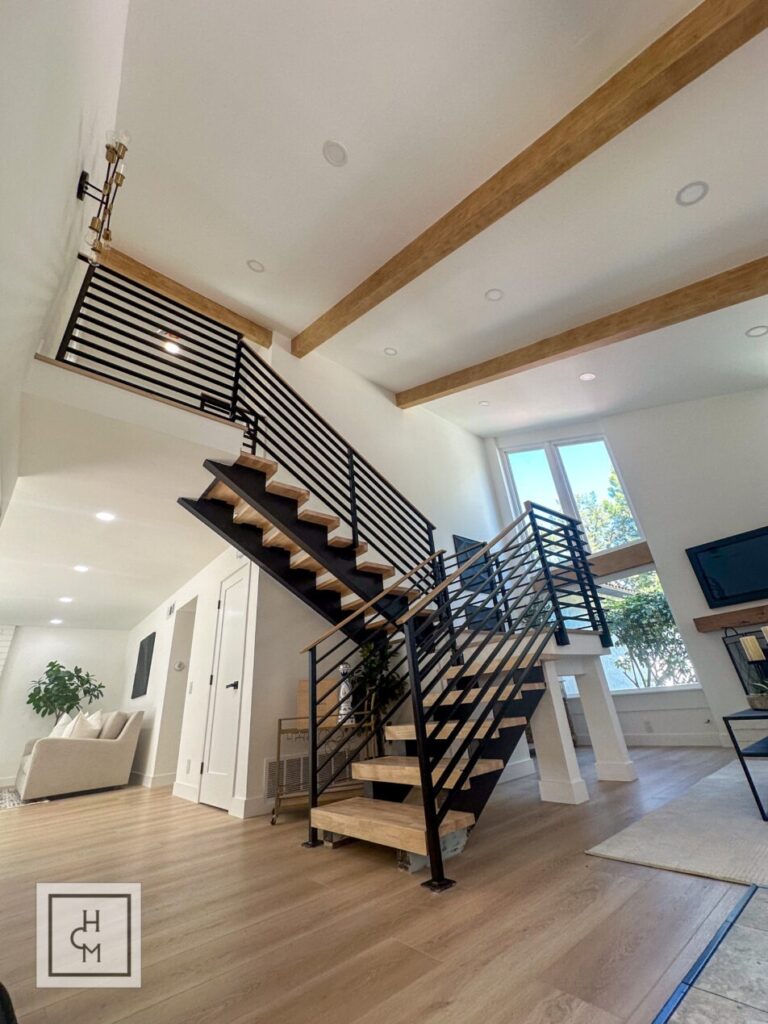
Be honest with yourself. To what extent are you going to spend on maintenance? In case you have to have something that is durable and needs minimal maintenance, metal stair railings would be a brilliant step. Tough, steady, dependable. They stand up to weather, wear, and years of use.
This is easily the biggest mistake people make. The railing might be perfect. The material might be perfect. But the wrong installer can turn a good plan into a mess.
Some contractors rush, don’t measure carefully and weld or anchor properly. And some just don’t have experience with anything beyond basic railing styles.
Choose contractors who specialize in stair railings, not general labor. Look for real photos of past projects. Check if they have experience with angled cuts, custom bends, and metal fabrication. Most of the quality issues stem from bad installation, not bad materials.
Stair railings aren’t something you want to gamble with. One bad choice can ruin the look. One loose post can mess with safety. One shortcut can cost you more down the road. They influence the whole feel of your home, and they decide how long your staircase actually holds up. When things get confusing, get guidance from people who live and breathe this work. People who know what fails, what lasts, and what gives you peace of mind every time you grab the rail.
If you want something solid, clean, and built right the first time, Hand Crafted Metalworks can help you get there. A railing that fits your space, looks sharp and holds steady for years. They understand stair railings in Orange County inside and out, and they build with real care, steady hands, and no shortcuts.
Ready to upgrade your stair railing the right way?
Contact Hand Crafted Metalworks
What are common stair design mistakes?
Railing too low, uneven steps, ignoring codes, picking style over safety, or choosing hard-to-maintain materials.
What is the 27 rule for stairs?
Step rise plus tread depth should equal about 27 inches for comfortable, safe climbing.
What is the 7-Eleven rule for stairs?
Steps should be increased by 7 inches each, and a safe, easy depth of 11 inches should be maintained to increase walking tread depth.
Which of the following should not be done on a staircase?
It is not safe to run, carry heavy and awkward loads, raise the railing, or disregard proper lights.